

Paris Has a New Mayor Why Emmanuel Grgoires Victory is a Blow to the Far-Right
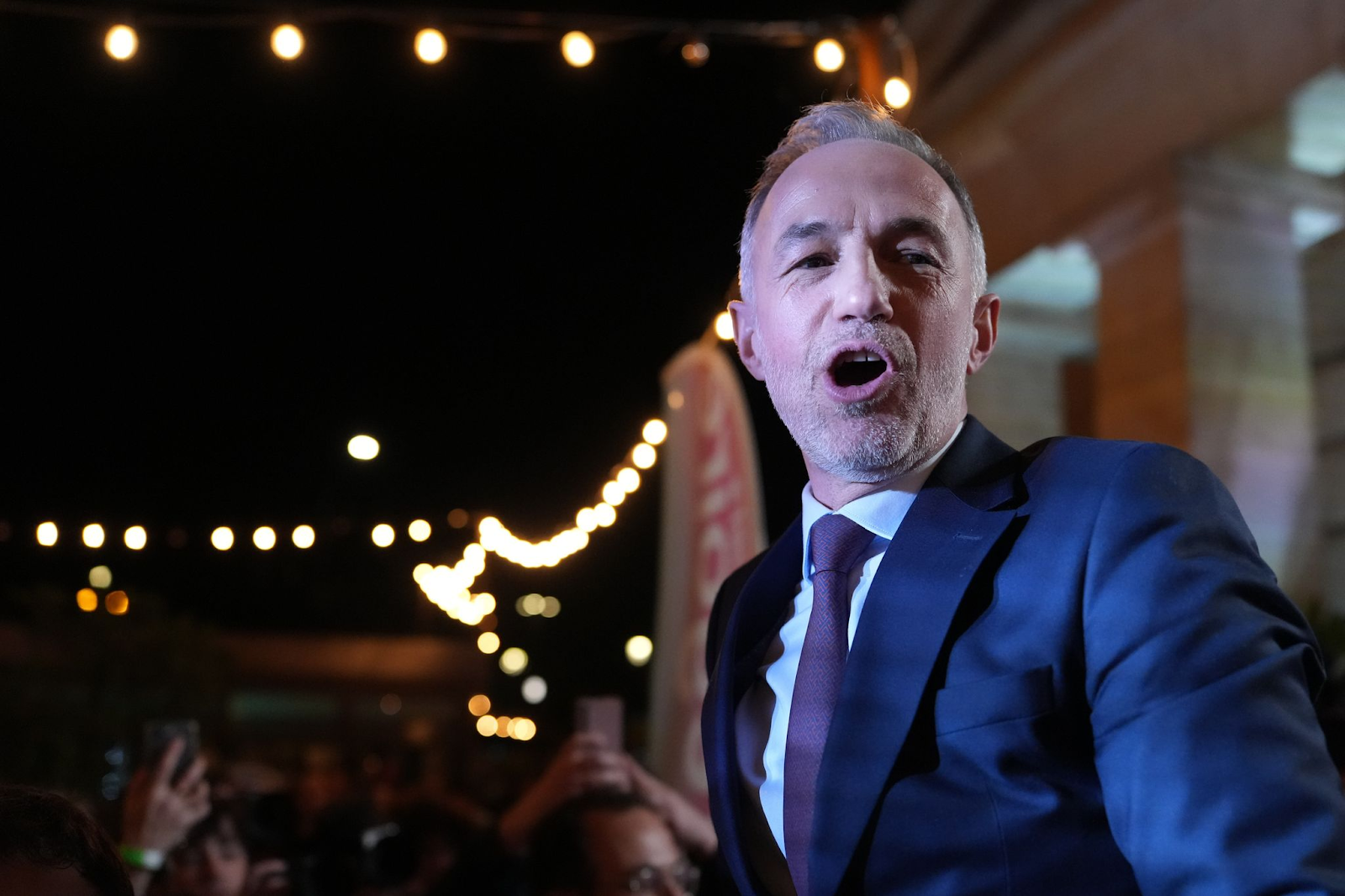
A Progressive Mayor in a Nervous Political Moment
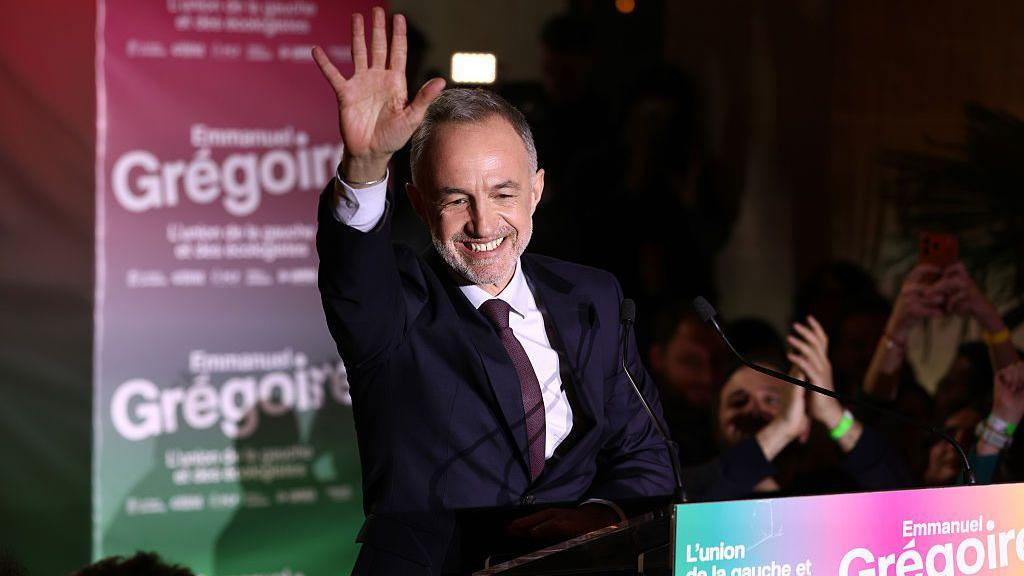
Anne Hidalgo's long-time deputy Grégoire attained the position of Mayor of Paris as the result of a second round runoff, defeating conservatively aligned Rachida Dati by nearly 51% to 53%. His coalition consists of Socialist, Green and Communist parties and he used the term “city of refuge” to frame his campaign.
The election of Grégoire in Paris is more than just a change in local politics; it is a clear indication, based on facts, that the far right can be contained when the centre-left is disciplined, united, and focused on finding real-time solutions to issues affecting cities; for businesses and investors looking at economic and political risk in Europe, the new Mayor of Paris will be an important asset for many companies operating within the European Union (EU).
Importantly, the defeat of RN (Marine Le Pen's National Rally party), who wanted to utilise victory in the municipal elections as a means of gaining momentum for the 2027 presidential campaign, will have an adverse effect on their prospects, as they did gain a number of smaller town municipalities and a symbolic win (via their right-wing political partner) in Nice, yet fell short of gaining large urban municipalities (such as Paris, Marseille, Nîmes and Toulon).
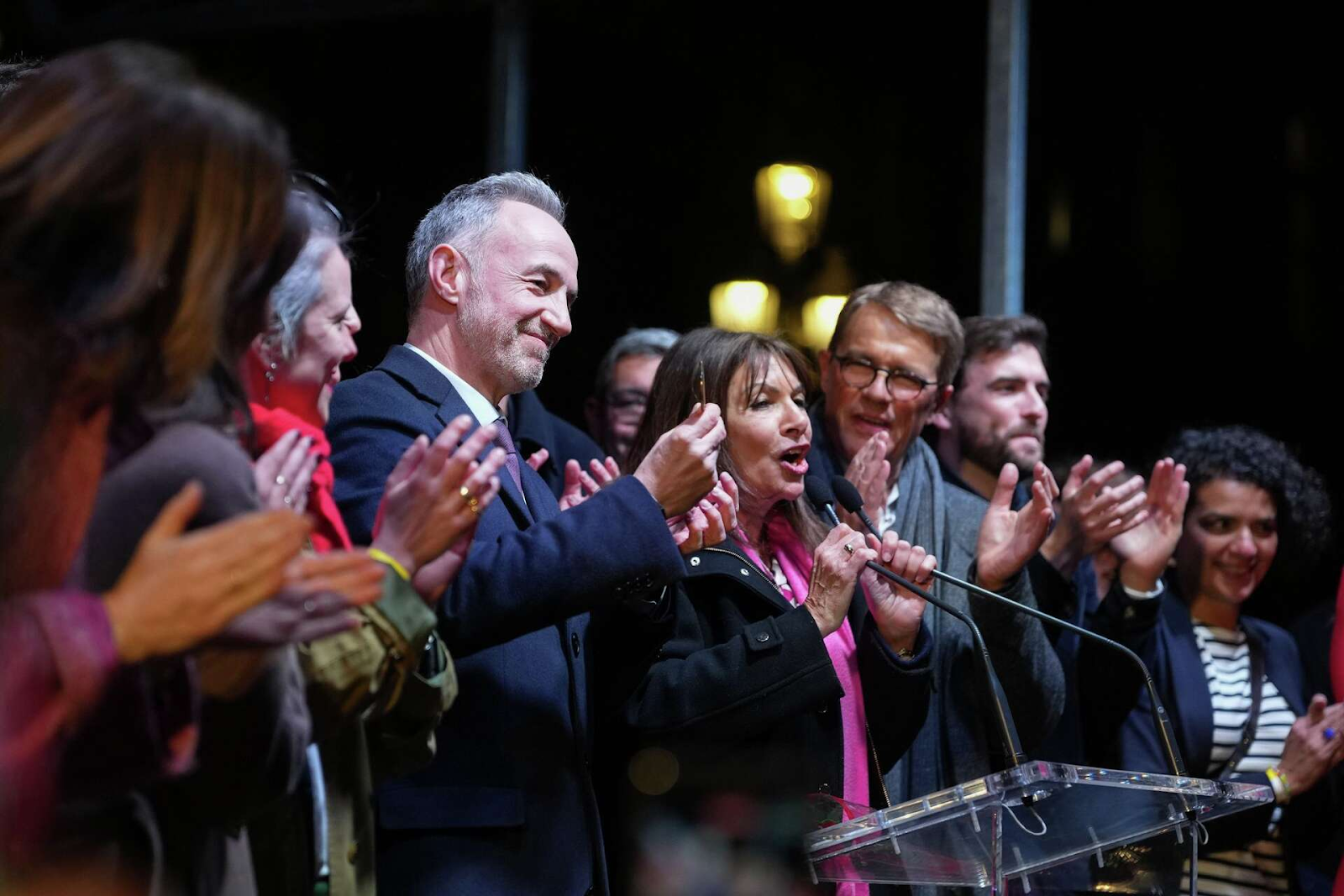
Why This Is a Real Blow to the Far-Right
Paris is a major narrative for the far right, as a victory in the capital would have provided them with "headline-proof" evidence that they have begun to win over urban, globalized voters. However, the confirmation of this evidence through Emmanuel Grégoire's victory reinforces three uncomfortable realities for RN.
- Big, diverse metropolitan areas continue to favour progressive candidates when they are offered a credible and capable candidate on the left.
- Attempts to portray Paris as crime-ridden and "lost" to immigration have not translated into votes.
- A united, centre-left can defeat a disunited, right/far-right alliance, even after years of frustration regarding issues related to crime, cleanliness and congestion.
Outgoing mayor Anne Hidalgo emphasized this point by calling Rachida Dati "the candidate for the union of the right and far-right", and that this union had been "definitively defeated" after previously polling ahead of Grégoire. To Le Pen and RN leader Jordan Bardella, the message is clear: their "biggest achievement in history" in local governments did not extend to the most important urban seat in France.
What Grégoire’s Paris Will Look Like
Grégoire's urban left agenda in Paris is heavily influenced by a managerial and pragmatic style; hence, companies will be paying attention. His promise to defend residents' 'right to live' in Paris rests upon achieving 40% of the city's housing stock as public and affordable housing by 2035 - 30% social housing and 10% intermediate.
In order to achieve this, approximately 60,000 new public units will be created primarily through:
- Converting up to 1 million square metres of existing office space into housing,
- Adding additional floors to existing residential properties when feasible from a construction perspective,
- Targeting unexpectedly to convert speculative properties that have been vacant.
Grégoire has proposed introducing tighter restrictions on second homes, including short-term rentals, and has stated that 'unregulated Airbnb-type listings' create displacement for residents and constitute a turning of entire neighbourhoods into transitional areas, which sends an explicit message to property owners, representatives of housing companies, and investors about the direction in which post-Olympics Paris' housing market will go regarding regulation.
On mobility/infrastructure, Grégoire intends to provide for additional bicycle lanes, retake from private utility companies streetwork approvals, and continue with the Seine cleaning and the policies that discourage using cars which have been developed under Hildago.
For hospitality, remade retail, and real estate, this means continued support for both pedestrian and bicycle-friendly neighbourhoods, and continued pressure on businesses that require the use of motor vehicles to operate.
Business and Investor Angle: Stability Over Shock
For many global investors, the key result is predictability. When a Socialist mayor takes over from a fellow Socialist with the backing of the same left-green coalition, it illustrates continuity during a period when national politics appear uncertain in France. Therefore, it’s unlikely that post-Mayor Grégoire will implement extreme right-wing approaches to policing, or initiate crackdowns on immigration, or engage in battles over how to zone properties associated with politically charged culture, all of which could deter tourism and talent from coming into the city.
At the same time, the views expressed by Grégoire on housing and short-term rentals do present risk factors for several parties:
- Yield-hungry residential investors that are betting on generating revenue through tourist short-term lettings,
- Supply platforms that are dependant on lightly regulated Airbnb-style accommodations, and
- Owners of older office buildings that have been delaying making decisions regarding conversion.
Conversely, developers who are interested in partnering with the city to convert their office buildings to residential units, pursue environmentally friendly retrofits, and develop mid-priced rental housing could find a welcoming municipal environment in which to work.
European Signal Ahead of 2027
This election demonstrates a growing sentiment in support of various political opinions in light of upcoming national elections across Europe. The recent elections held in Paris (city) and Marseille (city) suggested that by having good candidates to lead their areas for either the far-left and/or centre-right parties of mainstream politics (i.e., left- and centre-right) can effectively reduce the popularity of extreme right-leaning parties by preparing them to compete against either the left (e.g., PS) or right (e.g., LR).
In more specifically speaking, Grégoire (the newly elected Mayor of Paris) believes that "Paris should be the epicentre of resistance" against the far-right & right-wing coalition that is urban and/or suburban Paris. There have been discussions regarding whether or not this narrative can be replicated in areas outside of Paris (eg: peripheral regions), however; as of now, both the Mayor of Paris as well as the extreme right-wing political establishment appear to be on the defensive as they move further than before to satisfy their goals.
Latest Posts