

Pakistan Confirms Participation in T20 World Cup Match
From Boycott Threat to Green Light
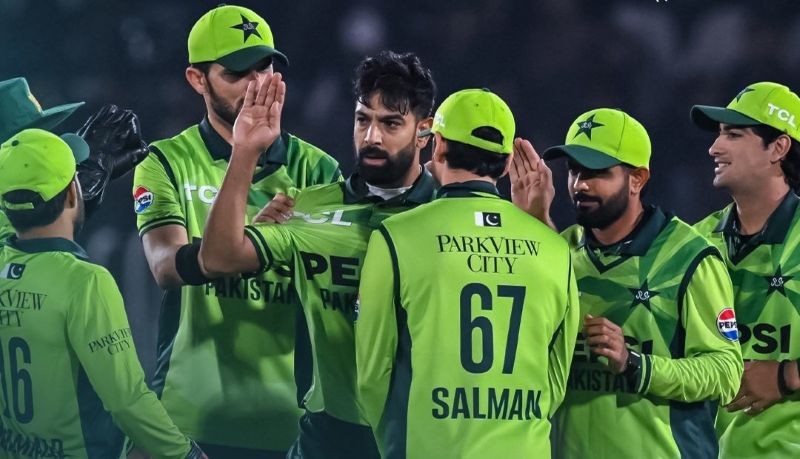
The participation of Pakistan in January's planned tour, particularly its high-profile match against India, was in jeopardy. The Federal Government indicated at that time it would be evaluating whether or not to participate in the tournament, stating that any decision will be based on Bangladesh's security concerns and whether the games are being hosted at an actual suitable venue for holding cricket matches. This led to a call for Pakistan to boycott its game against India on the basis of solidarity with Bangladesh, which had been dropped from the tournament once it refused to go to India.
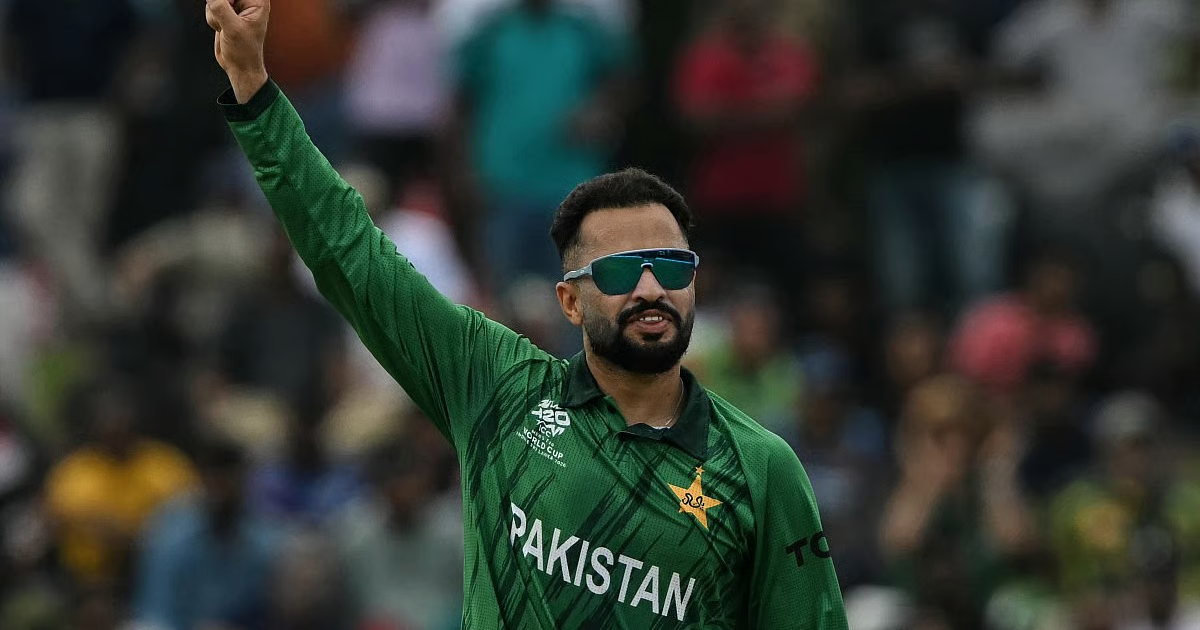
After several days of discussions and negotiations with officials from the Pakistan Cricket Board (PCB), the International Cricket Council (ICC) and several of Pakistan's "friendly" cricket-playing nations, the Pakistan Government announced an official directive; Pakistan will be playing in their scheduled T20 World Cup matches including their game scheduled to be held in Colombo on February 15. The statement issued by the Pakistan government referred to the "spirit of cricket" and the need to protect the continuity of one of the largest and most popular modern sports that would be viewed by hundreds of millions and maintain all cricket-playing nations as part of that sport.
What Changed Behind the Scenes
There was no emotional, or sentimental shift in how the international community views Pakistan's cricket establishment; it only resulted from a strategic, self-interested decision made by the ICC. With the ICC warning of significant financial and regulatory penalties that could result from a boycott (which may include financial penalties resulting from loss of hosting rights, reputational damage to the PCB), both Pakistan and Bangladesh are seeking concessions due to the impasse. Proposed concessions include extending the current hybrid model of bilateral international fixtures with India and future rights for Bangladesh to host international matches between 2028 and 2031.
Therefore, by engaging in this short-term protest, Pakistan was able to gain strategic advantage in international scheduling and hosting. Moreover, it became economically viable in terms of operating under tight budgets, being dependent on sponsorships and most importantly, Pakistan had to navigate political considerations while administering a cricketing entity.
The Business Side: Why This Match Matters So Much
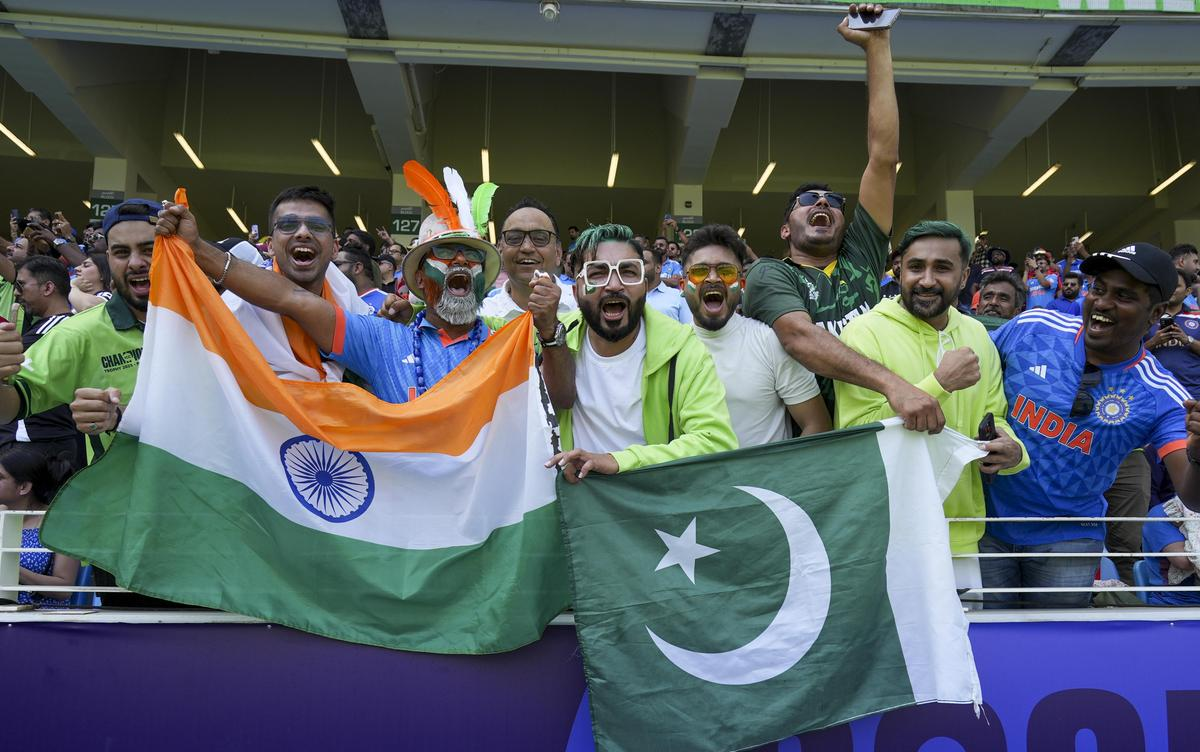
From an economic perspective, confirming participation of Pakistan in the T20 ICC World Cup, specifically the Pakistan vs. India matchup — will secure a substantial portion of the tournament’s total value. These matches consistently generate record-breaking television ratings, premium advertising inventory and extraordinary levels of digital viewership in South Asia and among the diaspora. Marketers can now lock-in their marketing campaigns, brands can finalize overall marketing activation plans for the event, and platforms can produce short-form content, watch along programming and create influencer partnerships around the event.
For players and sponsors for Pakistan, just being part of an ICC marquee event is important. Player contracts, appearance fees and endorsement agreements are frequently used as a national benchmark; missing a World Cup match vs. India, would have a negative impact on player morale; brand confidence; and future negotiations.
The Digital and Fan Engagement Upside
In addition to the clear broadcast numbers and the fact that we now have clarity on the T20 World Cup 2026 event, there is a second, much quieter story happening with regards to all things digital around this tournament and the India vs Pakistan match. The change is at the hands of social platforms, fantasy gaming applications, and streaming services: these businesses now have a clear opportunity to plan their campaigns around this match, with no need to wait for a more definitive announcement about the event's timing or location. This means more storytelling before the match, better data products for fans, and more refined targeting of South Asian millennials and Gen Z (across the globe) by advertisers.
For those who hold the rights for this event, every additional week of certainty provides a compounding effect: CPMs will become more stable, sponsorship decks will be more ambitious, and cross-border sponsorship deals will be easier to execute on. A confirmed match — one that has as much emotional and commercial impact as this India vs Pakistan match does — will function almost like a blue-chip asset within the cricket calendar, especially in an environment where attention is fragmented.
A Case Study in Sports Diplomacy
Looking at the larger picture, we can see that this is a real-time example of cricket diplomacy, where governments use sport to convey political messages; cricket boards seek to combine principles with financial viability; and there is an ongoing reliance by the ICC on contracts, rulebooks and confidential channels of communication in its efforts to preserve events. With Pakistan’s eventual confirmation as the host of this T20 World Cup, although the geopolitical tensions surrounding the match do not go away, the desire of the parties involved to achieve a successful tournament continues to transcend geopolitical divisions.
From a digital-first, commercially driven standpoint, there is one very clear message arising from all this information in 2026, cricket is as much about risk management, soft power and how one game can impact not only markets and political narratives, but also the mood of a nation. By playing in this T20 World Cup match, Pakistan wins from a calendar point of view, from a business perspective and, for now at least, from the belief that sport can bring all parties together, irrespective of difference and history.
Latest Posts