

PAHO Commission Revokes US Measles Elimination Status After 26 Years, Sources Say, With Official Announcement Due Today as Cases Reach 5,412
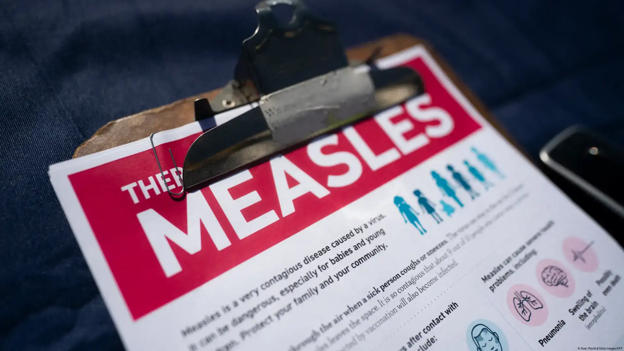
An independent commission of the Pan American Health Organization (PAHO), on account of official Measle case reports reaching 5,412, concluded that the disease was once again spreading rapidly across the United States, ending its Measle-free status that it has held for the larger part of the past 26 years. With a formal announcement expected to follow today, the status could be revoked officially today, Tuesday, November 17.
Table of Contents
1. What the Commission Decided
2. The Numbers Behind the Decision
3. How the Outbreaks Unfolded
4. What Losing Elimination Status Means
5. Reaction From Officials and Experts
6. The Road Back
7. Conclusion
What the Commission Decided
PAHO's regional verification commission, an independent body of public health experts, commissioned a review meeting from November 10 to 13, in Washington, D.C. to ascertain whether Measles transmission across the United States had sustained a duration of 12 months, a positive response meaning that the elimination status would need to be revoked. A senior Trump administration official also confirmed that a letter had been received on Friday from PAHO that conveyed its decision, with a formal public announcement planned for Tuesday.
Based on PAHO’s framework guidelines, elimination status is supposed to be revoked when a single strain of the virus is transmitted and infects individuals continuously without interruption for 12 months or more, regardless of the point or source of origin of the initial cases. PAHO, while conducting its assessment, reviewed data from CDC as well as an independent U.S. advisory panel, with the assessment resulting in the country losing its elimination status.
The Numbers Behind the Decision
|
Measure |
Figure |
|
Confirmed US cases in 2026 (as of Nov. 12) |
5,412 |
|
Confirmed US cases in all of 2025 |
2,289 |
|
People infected since 2025 |
About 7,700 |
|
Deaths since 2025 |
13 reported |
|
Years the status was held |
26 (since 2000) |
|
Length of continuous transmission required to lose status |
12 months or more |
These counts matter for more than one reason. Noel Brewer, a University of North Carolina public health professor who chairs the independent U.S. advisory panel, said the country had seen more measles cases in the last 18 months than in the previous 25 years combined. Jennifer Nuzzo of Brown University also claimed that it is unlikely that every case is being found, and that state health departments have reported more deaths than the federal tally, a disparity in reporting that has also remained a major concern for those following the outbreak.
How the Outbreaks Unfolded
The Measles surge that caused the revokement can be traced back to an outbreak that began in January 2025 from West Texas before quickly spreading into nearby regions including Utah, Arizona, South Carolina and Pennsylvania. According to a senior administration official, Utah’s outbreak that began in June 2025 and extended beyond the one year mark in June of this year while teaching over 22 of the 29 states counties was the leading factor in PAHO’s decision to execute a revoking.
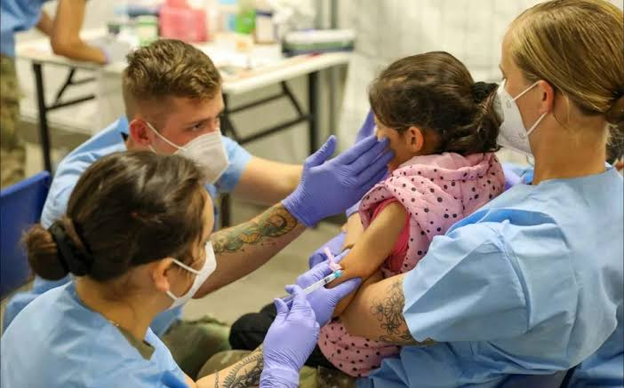
In the most recent outbreak, analysts have been able to detect a clear pattern. The outbreak begins in communities that have low vaccination rates and rapidly spreads in individuals who remain unvaccinated or hold unknown vaccination statuses, a significant portion of the population that was affected this year. Similarly, Kindergarten vaccination coverage also varies widely by state, from about 75 percent in the lowest to nearly 99 percent in the highest.
What Losing Elimination Status Means
|
What it does mean |
What it does not mean |
|
Measles is again considered endemic, spreading within the country |
That there were never any cases before |
|
The country must show 12 straight months without endemic transmission to regain the status |
An automatic legal or policy change inside the United States |
|
A visible blow to the country's public health reputation, according to Johns Hopkins epidemiologist William Moss |
That every state is affected equally |
Am elimination status didn't necessarily mean zero cases, but rather that Measles wasn't able to circulate on its own and the majority of the new cases would likely be stemming from travelers who caught it elsewhere. Countries with elimination status can usually find isolated cases or short outbreaks, with neither of the two directly impacting the elimination status.
Reaction From Officials and Experts
|
Administration and supporters |
Critics |
|
CDC Director Erica Schwartz told Reuters that the agency would not fundamentally change its response if the status were lost, and that vaccination remains the best prevention |
Senator Mark Warner, a Virginia Democrat, said Health Secretary Robert F. Kennedy Jr.'s attacks on vaccines are bringing measles back |
|
An HHS spokesperson said the CDC has mounted an aggressive response, including $100 million in additional funding in October |
NBC News reported that, unlike under past administrations, the CDC has not held media briefings on measles this year |
|
HHS said Kennedy and Schwartz continue to recommend MMR vaccination |
Experts have questioned the CDC's limited public communication and the lag in federal death counts |
The timing of the revokement of the status has also begun to raise concerns and scrutiny across various channels and journalists. The United States had reportedly asked PAHO to postpone the review that was originally set for April, mainly for the impact that losing the status just before November Mid-terms could've raised over the administration's chances. PAHO on the other hand, delayed their decision until the November meeting a move it claimed was focused on harmonizing the process
The Road Back
While the United States will hope to resolve the Measles outbreak and again eliminate regular cases, regaining the elimination status would take time. According to PAHO’s guidelines that it addressed to the United States Administration, the country must intensify vaccination programs and go at least 12 months without endemic transmission before discussions of regaining the status take place. With the cases continuing to rise, a return would not be expected imminently and on the ground level, the priority would remain obtaining higher MMR coverage, faster case detection and more importantly, transparent data.
Conclusion
The loss of Measles elimination status isn't simply a single event or outbreak, but over a year of unchecked spread that refuses to come to a half. In practical terms, the elimination might not change what precautions are advised to families or a direct return to pre-vaccine era, but it carries significant implications for the public health departments, clinics and parents to live with Measles and prevent it from impacting their own lives. With a formal announcement arriving imminently, the official plan would be bound to receive changes while the numbers would determine how intense and rapid they appear and are integrated.
Latest Posts