

Outpacing Us WHO Chief Issues Grim Alert as Ebola Suspected Deaths Hit 220

To business-minded people, this also represents a major threat to public health; if the outbreak continues to escalate faster than the response, the ripple effect will have implications regarding travel, trade, logistics, and regional stability.
Why the warning is so serious
When it comes to Ebola, there’s usually little doubt that it will make the news. Once the number of suspected and verified deaths from Ebola climbs into the hundreds, the area of concern shifts from isolated cases of infection to the much more complicated problem of trying to find all of the links between the new cases before they can infect more people. This usually means that the rate at which people are becoming infected is faster than current methods of case detection, contact tracing, and medical response can keep up with; WHO officials refer to this as being “outpaced” by the current outbreak, which means that the outbreak is quickly becoming more complex.
Ebola has a unique set of challenges due, in large part, to public fear, limitations in the local infrastructures, and the need for an effective way to coordinate international intervention into the local response. Health officials know that if they cannot locate and track the cases involved in an outbreak soon enough, Ebola will spread rapidly from one community to another before health officials have an accurate picture of how many people have been infected and where they have each originated. This is what keeps most health officials up at night!
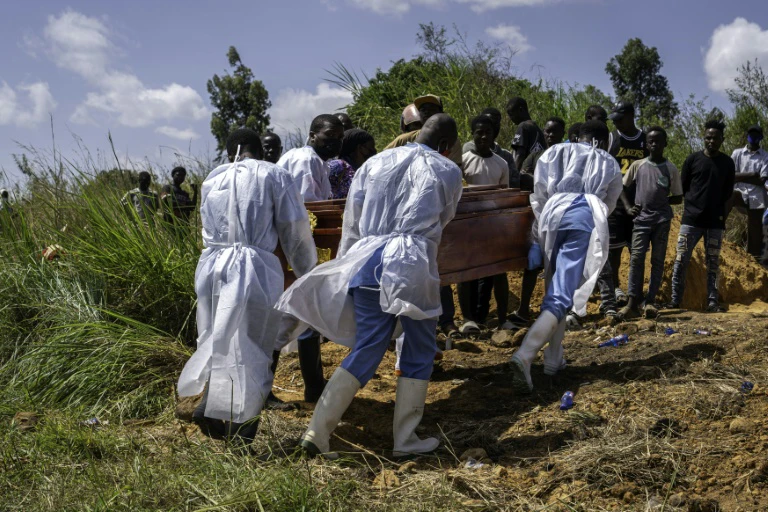
The numbers behind the alarm
An estimated number of 220 people dead does not indicate that each death was approved by laboratory analysis. Nevertheless, the number represents a large and urgent signal regarding the magnitude and urgency of this particular outbreak. During this type of outbreak, both the number of suspected cases and deaths will generally increase much faster than the number of confirmed cases or confirmed deaths because there is a time delay between the testing of samples, reporting results, and safely transporting specimens. Practically, this time delay means that the outbreak may appear smaller at the time of the outbreak than it may actually be.
What should businesses and governments take away from this is that trends (i.e. increase in suspected deaths) matter more than a single data point. An increasing number of suspected deaths puts greater pressure on clinics, increases the pressure on public communication, and increases the potential for movement restrictions to be introduced if the crisis worsens. Even though no official travel bans may be issued for some time, generally, businesses will respond to a shift in the marketplace before any government forms of regulation are put into place.
What this means for business
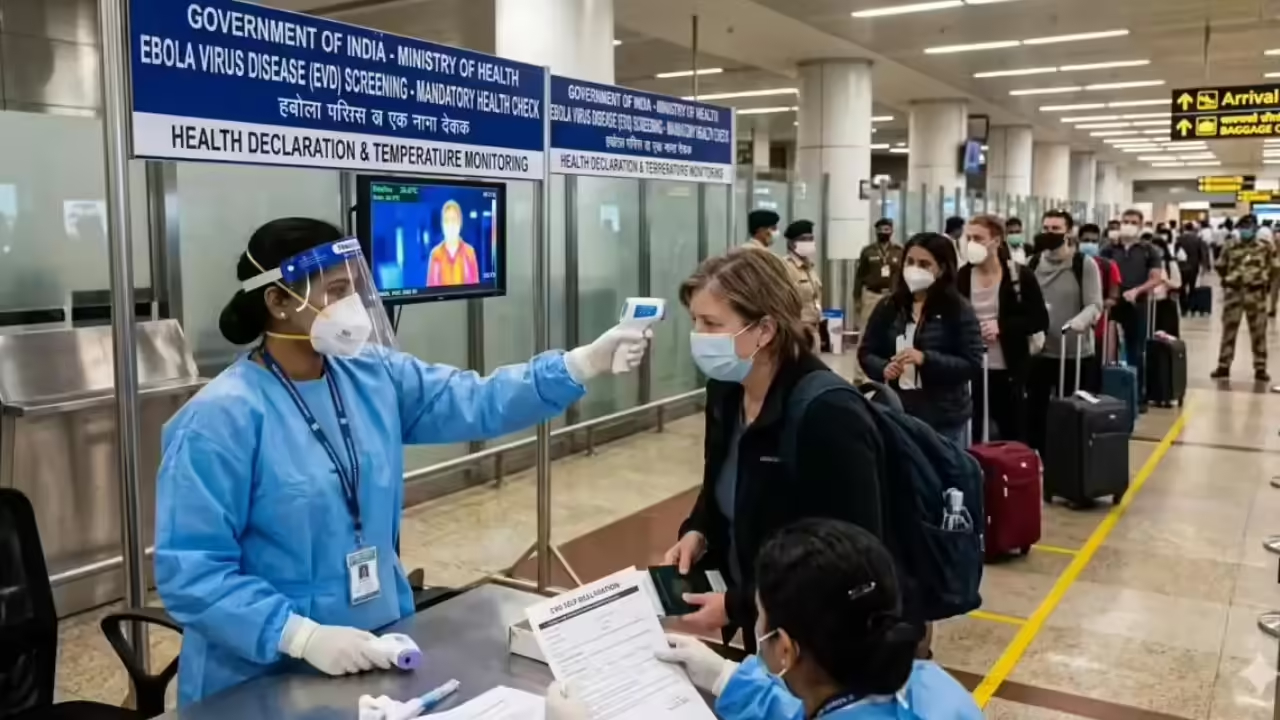
Outbreaks such as Ebola have a significant effect on how businesses plan, as they affect how businesses think about people movement, supply and transport routes and operational continuity simultaneously. If businesses have employees, their partners or suppliers located in or around an affected area, they may have to review travel approvals, field operations and emergency communication procedures as quickly as possible in order to continue operations.
For example, a health emergency can interrupt transport for road surfaces, create delays in the shipment of goods, and make it more difficult for employees to gain access to their job sites or offices. Also, the confidence of both current and potential investors can be impacted, especially for businesses that have exposure to sectors such as mining, agriculture, logistics, hospitality and cross border service. In this sense, Ebola is not just a medical issue, but also a medical issue that affects business continuity.
Why response speed matters
When it comes to an Ebola outbreak, the things that are important for containing Ebola and preventing its spread are, in order, early detection, isolation, contact tracing, community trust and communication of information to the public. Any delay in any one of those areas would create an opportunity for the outbreak to gain momentum and surpass the responders’ ability to keep up. This was highlighted in the recent comments of the World Health Organization’s director-general, who said that the available evidence indicates that the available resources to provide the necessary response may already be severely challenged and under pressure.
Additionally, while much attention is placed on the numbers associated with an Ebola outbreak, the human element should not be overlooked. Communities experiencing an outbreak of Ebola are also experiencing chaos in their daily lives due to fear, disruption of their daily routine, and uncertainty. If people living in the affected areas do not have confidence in the authorities handling the Ebola outbreak, they may not report their symptoms or seek medical care, which would make the containment of the outbreak more difficult.
The broader regional risk
While outbreaks typically start in one location, their effects are rarely contained there. Growing numbers of screening will occur in surrounding areas, delivery will slow, and demand for services will rise in local health care facilities as a result of nearby outbreaks. Should the number of cases in one area continue to expand, governments may increase border enforcement or provide more restrictive travel advisories, which could impact commercial activity before an emergency declaration is made.
For multinational firms, these types of scenarios need scenario planning as opposed to mere panic. The intention is not to panic but rather to be prepared in the event of a rapid shift in response to an outbreak. Companies with crisis communication plans and contingency plans already in place can typically absorb the challenges posed by an outbreak much better than companies that are waiting for the media frenzy to subside.
In addition to the increased death toll, there is a dramatic rise in the number of deaths being reported due to this public health crisis. When the world’s top public health officials state that they are unable to keep up with the pace of new cases being reported, this illustrates how critical response time has become as an asset in the hierarchy of public health. Business leaders observing from a distance should pay attention at this point—not because panic will assist them but because preparation will almost always help them.
Latest Posts