

Oil Will Plummet Trumps Economic Forecast
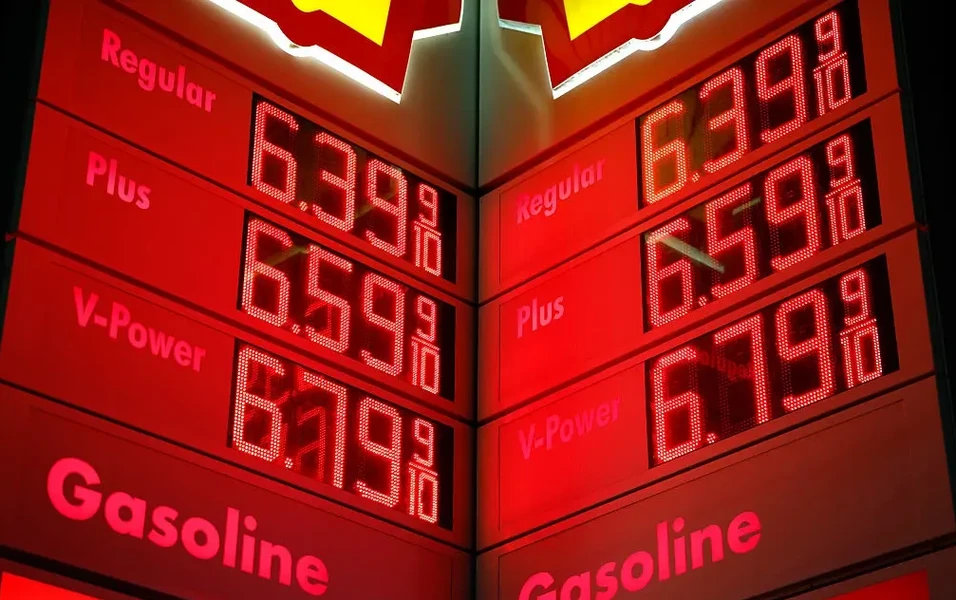
In general terms, crude oil prices respond mostly to a complex interplay between geopolitical events, future demand projections, OPEC affiliated nations' pricing decisions, and investor perception via trading activity. As such, a bold forecast will likely influence trading action before oil fundamentals are actually established.
Why the remark matters
A president's statements regarding sharply declining oil will reflect more than just a market view; they will often reflect broader inflationary and economic confidence signals.
President Trump previously has indicated that lower oil prices can be attributed both to improvements in the economy or by indicating that resolving issues surrounding international conflict creates a more stabilised supply; recently he suggested falling oil prices were a direct correlation with world status and also reasoned that an abundance of supplies will create lower price levels.
What actually moves oil
Political statements cannot cause movement in the commodity market or price. Supply and demand must change in a significant way in order for traders to react by purchasing or selling oil. Some examples of this would be the onset of tariffs, fear of recession, cuts to current supplies of oil, unexpected increases in oil production, or disruptions to major shipping routes due to wars.

Usually, what isn’t considered during short-term moves in crude oil prices are that oil traders are effectively pricing for future events instead of following what’s said in a headline speech. A big headline will cause a small reaction in prices, but a consistent trend of price movement can only be established with confirmation of the underlying fundamentals.
As such, investors now typically do some degree of separation between the messaging and the mechanics of the situation before making a significant wager as to where crude will trade next.
Recent media reports showing a decrease in the price of oil after a period of volatility in oil-related markets due to tariffs or the decreased likelihood of widespread conflict are especially noteworthy. In these instances, investors are responding to an anticipated slowing of growth, fewer anticipated purchases of oil, or reduced likelihood of disruptions to the marketplace.
What “plummet” would really mean
At first glance, a sharp decline in oil appears to have positive impacts such as lower fuel prices and a reduction to inflation. However, there is one caveat to this analysis: if oil prices are declining due to a perception that the economy will be growing weak, then this represents anything but a clear economic positive, and often is indicative of an overall economy which has experienced less industrial activity, lower demand for transportation services, and consumers behaving in a more cautious manner.
Why businesses should pay attention
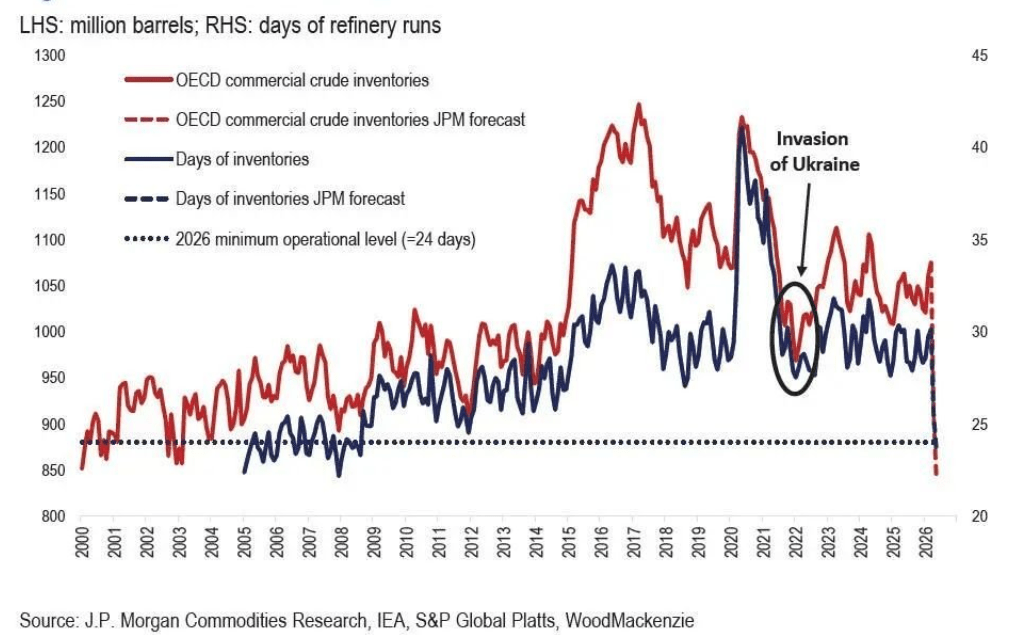
The important thing for companies today is not just the fact that oil prices are dropping by several dollars but is also whether or not it will change their budgeting, freight costs, customer demand and margin forecasts. All types of businesses affected by heavy energy costs including logistics companies, aircraft carriers, manufacturers, and retailers will feel the change quickly.
With fluctuation in price affects everybody, how finance teams think differently than other departments in budgeting is critical. The assumption about where crude oil prices are heading drives your budget week after week. If crude oil prices decline significantly, companies may change their assumptions regarding fuel; adjust or change their hedging strategy based on how exposed they are, and buy sooner or later depending on how exposed they are.
In other words, just because oil prices fall, doesn't mean it's a good thing for companies. Falling oil prices create lower cost of goods; however, they also signal that the overall economy is slowing much quicker than anticipated.
If oil prices do indeed fall quickly, it will be determined by the reason for the decline as to whether a company is a winner or a loser based on that movement. The decline due to increased supply could cause a decrease in operating costs; however, the decline due to decreased demand will cause an indication of even less sales being played as well as tighter credit and much more defensive planning across the board. These are very significant differences that business leaders must look at very carefully.
The market’s message
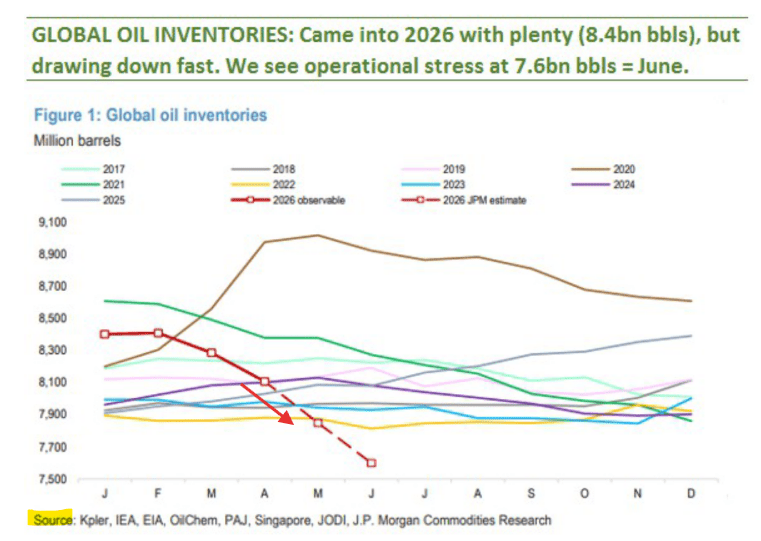
The market rarely takes the political prediction at face value, but will examine it against the actual data. Therefore what traders are likely focusing on in determining their future trading is whether or not inflation is rising, what the current odds are for recession, what’s going on with OPEC+, and any geopolitical developments, not the actual prediction.
Does that mean the prediction has no value? Absolutely not. Statements made by the White House can influence short-run expectations, create headlines, and change the way positioning is done in the short-term. However, ultimately oil prices will be set by the underlying supply and demand fundamentals, not just letters of confidence.
Therefore, rather than seeing the prediction as fact, you should see it as an indicator to watch the market more closely. If oil does decline there will be as much importance placed on why it declined as there will be placed on the actual decline itself. This distinction will be paramount for companies who are planning for future business.
Latest Posts