

Oil Surges Near 120 Indian Markets in a Correction

Why Oil Is Suddenly Back Above 100
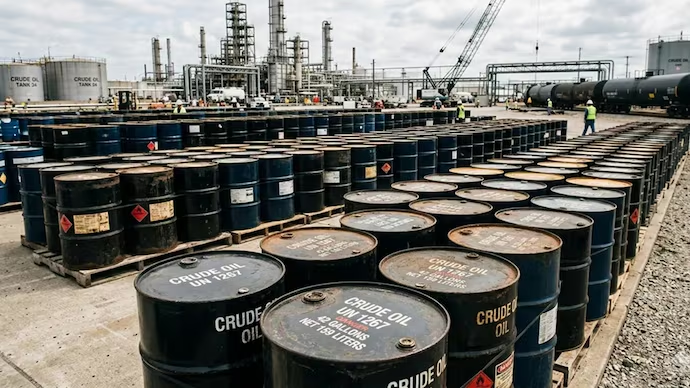
The trigger for this pain is the ongoing war around Iran, an essential junction in the global transportation and supply of energy. With the escalation of military action and the near-complete stoppage of tanker traffic through the Straits of Hormuz, Brent Crude has climbed to approximately $120 a barrel before coming back down again. It's estimated that, on average, about 20 percent of the total supply of oil on the planet moves through this chokepoint. Any disruption, even if only temporary, will typically put those involved in trading into risk-off mode.
Reports from certain G7 countries suggest talks are underway about a coordinated release of strategic reserves to lower crude oil prices. Despite this, the evidence so far indicates such a move would likely have a limited impact on reversing the recent rise in crude prices.
On the other hand, for countries that rely on imported energy, such as India, the addition of $1 to the price of fuel for every barrel of crude oil has an extremely rapid impact on the price of fuels; freight costs; and, ultimately, the inflation rate in the country.

Indian Markets: From Euphoria to Correction
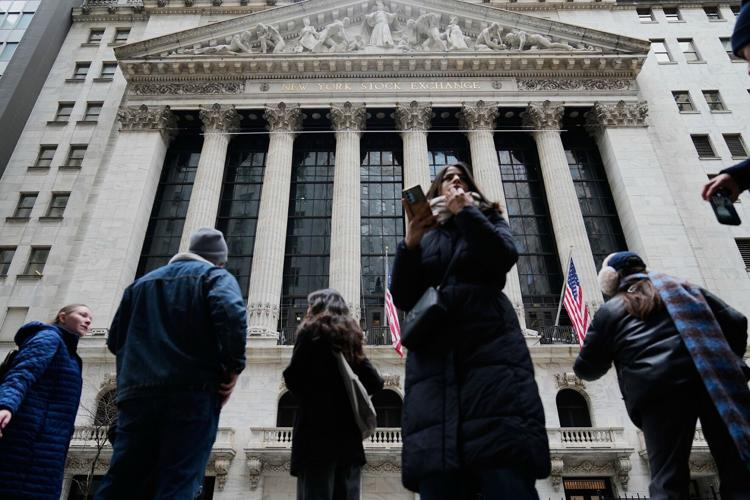
The financial condition of Dalal Street has changed within a few days. The Sensex and Nifty both reached all-time highs at the beginning of January 2023, but they are now both down more than 10 percent from those peaks—technically, a market correction. One day of retraction saw the Sensex fall almost 2,300 points intraday and the Nifty fell more than 700 points, though they were able to recover some of those losses before closing.
There is a collection of elements that are responsible for this sell-off: increasing oil prices; a depreciating rupee; and continued foreign portfolio outflows due to global investors pulling their risk from emerging economies. All sector level indices have been affected by the retraction, but rate-sensitive sectors and oil-intensive businesses have been impacted the most.
Where the Pain Is Showing Up in India
India has been known as a net energy (oil) importer; therefore, when crude oil prices reach nearly $120, it cannot be merely classified as a 'headline', but rather as a macro challenge. With rising crude oil prices increasing import costs, they are contributing to:
- Increasing the INR current account deficit;
- Putting pressure on the exchange rate of the Indian rupee;
- Having an adverse effect on the amount of room available for the Indian government to spend or reduce taxes.
In terms of the day-to-day effect on the economy:
- Increasing petrol and diesel prices within each of those areas will negatively impact the entire logistics -dependent economy (examples include FMCG, automobile and/or e-commerce companies, etc.)
- A pressure on margins for most aviation, chemical, paint and cement companies, which experience a large portion of overall cost due to fuel and/or crude derivative prices.
- A reduction in household budgets will have an effect on discretionary consumption just as many companies were expecting to see increased demand post pandemic.
In March 2023, foreign investors sold approximately tens of 1000 of crores worth equities in Indian stocks. Investors are getting jittery, they say, thanks to international events in the Middle East, and they're worried about India's vulnerability to a sudden spike in crude oil prices.
Is this a crisis, or is it a reset?
The correction in the market can be viewed as a reversal of the lengthy bull run with elevated valuation levels relative to profit generation. Also, domestic institutions and systematic investment plans have been relatively stable, acting as a buffer from short-term panic and losses.
Companies that will come out ahead will most likely be the ones that:
- Implement better fuel hedging and diversify their energy exposure.
- Use the correction to clean up their balance sheets instead of risking excessive growth.
- Provide clear communication regarding how they will manage this period with both investors and employees.
For those individual investors, this is another uncomfortable but necessary lesson that you do not normally get an equal distribution of returns on your equity investment in this environment that is so dependent upon imported forms of energy.
What Indian Decision-Makers Should Watch Next
In the next several weeks, we will be focused on three key factors, rather than looking at the daily fluctuations of an index.
- The length of time that oil/stay above $100 and if the strategic reserves of oil will help alleviate supply pressures.
- How the Middle East conflict may increase the number of countries that are producing oil, or increase the shipping lanes and therefore further suppressing supplies.
- How The Reserve Bank of India manages the liquidity of Indian companies and communicates to the public when inflation increases.
For a digitally savvy and business-oriented Indian audiences there is a message being sent to be alert but not alarmed. With oil prices hovering near $120 and Indian equity markets going through a period of decline, this may be a good time to stress test your assumptions, portfolios and business plans before we see the next leg of the economic cycle.
Latest Posts