

Oil Surges Back Above 100 as Hormuz Tension Peaks
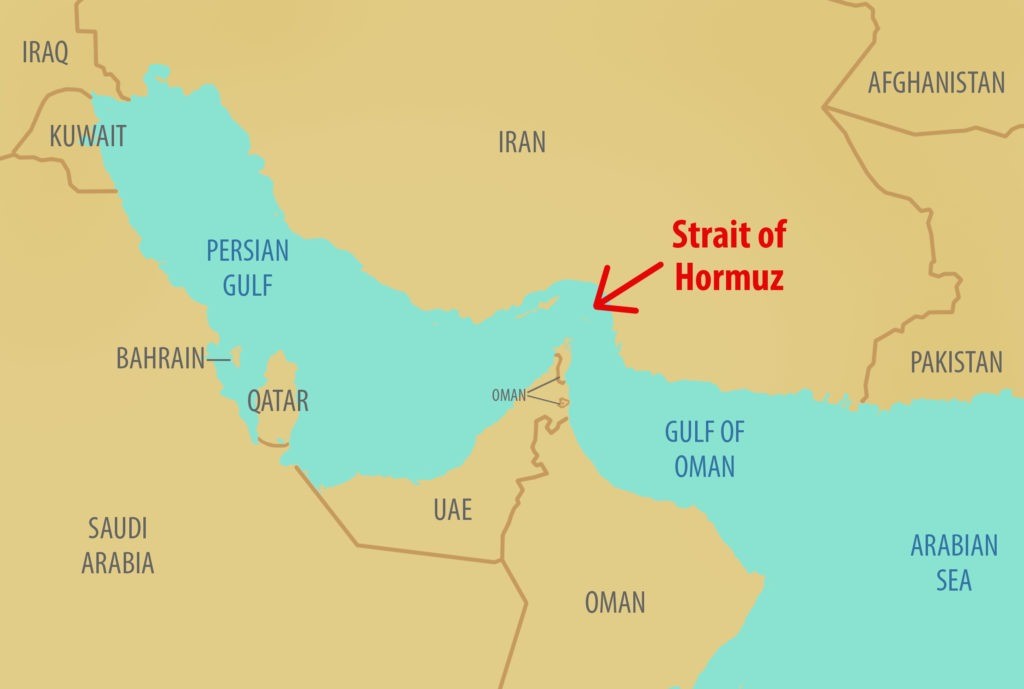
Why Hormuz Is Suddenly Front Page Again
Since the new government of Iran began taking a tougher stance toward US and Israeli naval operations, tensions have increased in the Strait of Hormuz. Reports of Iranian high-speed vessels disrupting oil barge traffic and possible mines being laid add further tension to traders as they anticipate that a disruption—partial or otherwise—would cost 20%+ of all global oil supply. Given that there are 21 million barrels per day passing through a 21 mile-wide (33+ km) chokepoint, even credible threats would result in quick price fluctuations.
From within India, much of the fuel supplied through this corridor supports nearly one-half of Mumbai's refineries, and also provides support to Chennai's electric power industry. Any delay in the oil supply results in more than just price increases; it can also have a dire consequence on industries that operate on a 24-hour fuel supply cycle.
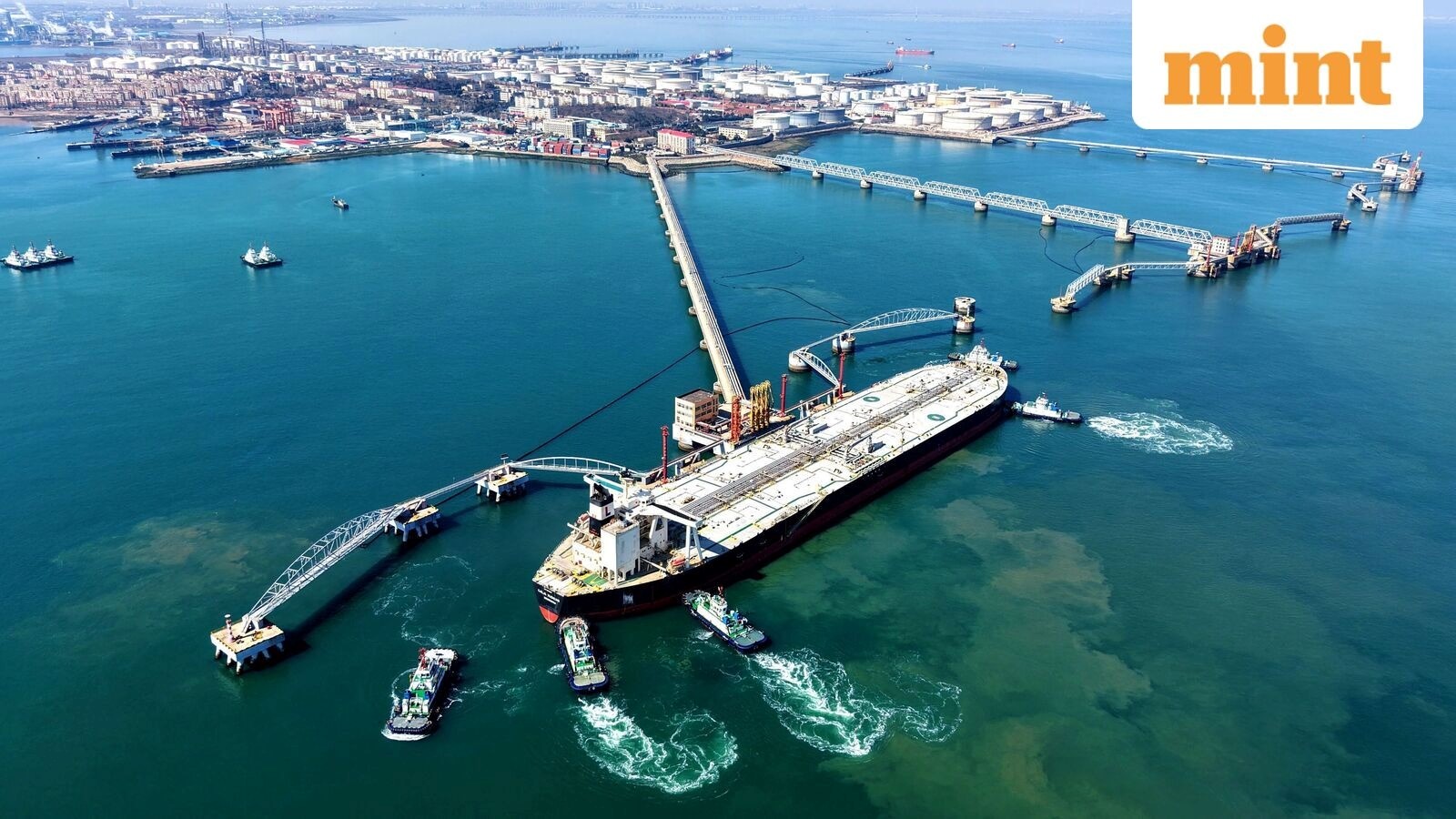
Crude’s Breakout Above 100 Dollars
The fact that Brent is back above $100/barrel is mostly attributable to supply concerns from OPEC+, who are hesitant to flood the market, along with continued demand from supply chains restocking through Chinese factories. As such, any moderate risk to the Strait of Hormuz will be amplified going forward. According to analysts, the geopolitical risk premium for conflict, due to the situation in Ukraine in 2022, is now the highest it has been since then and some insurers are refusing to provide new policies/protection for vessels transiting the Gulf of Oman.
The Indian market is feeling the effects first. Petrol prices in Delhi have increased to ₹110/litre, with prices for aviation turbine fuel increasing 12% -- putting a halt to IndiGo's growth strategy. Refiners such as Reliance are caught between high-priced Saudi grades and discounted Russian Urals, but neither have been able to provide adequate price relief to the market.
Indian Markets: Volatility Finds a New Floor
The increase in oil prices to over 100 dollars a barrel isn't just a significant correction for the market overall, but it also creates renewed pressure on Nifty's energy sector. As such, large crude oil consumers such as paint manufacturers, airlines, and logistics companies are now trading at multi-month lows because their input costs have risen faster than their ability to pass on those costs into higher prices. Compounding this issue is that the rupee has fallen below 87 per (Dollar) which has resulted in 15% increased costs associated with each barrel imported into India since January.
Foreign Portfolio Investors (FPIs) have done little to assist domestic Mutual Funds (MFs) who have experienced massive redemptions since early March due to FPIs withdrawing 25,000 Crores from Indian equities and as a result as SIP inflows begin to decrease. Consequently, MSME businesses involved in providing automotive components or garments will find it increasingly difficult to obtain working capital and may experience delays in receiving orders from customers as they begin conserving cash.
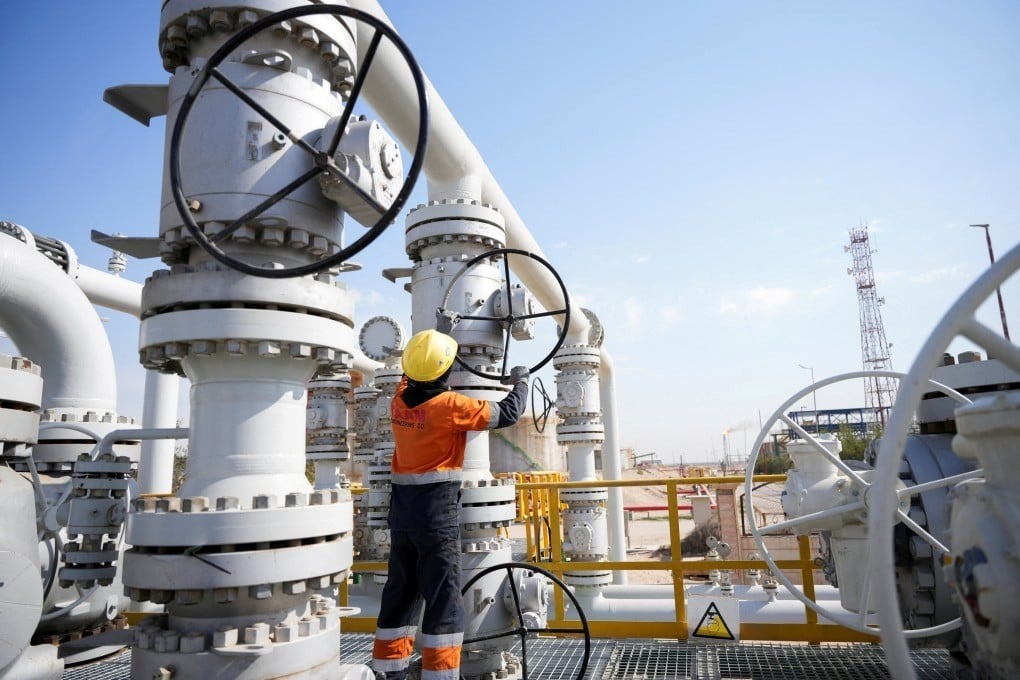
Corporate Playbooks Under Fire
Logistics firms are testing longer, but safer, routes around Africa and are willing to endure as long as 18 days of delays to avoid the increased costs of insuring shipments through the Strait of Hormuz. Businesses grappling with high energy expenses aren't simply biding their time, hoping for a return to stable oil prices. They've taken proactive measures. Some have secured six-month diesel forwards, while others are exploring alternative suppliers beyond the Gulf region. Simultaneously, many are discreetly stress-testing their cash flows against sustained oil prices of $110 per barrel.
There is a strong connection to this issue with India. Port volumes held constant for Adani, while aviation volumes, which rely on jet fuel, saw a decrease of 8% month-over-month. Micro, small and medium enterprises in Coimbatore are seeing inflation in their costs of 7-9%, and because they operate on very thin margins, they can't pass that on to customers. Finally, vegetable oil futures are climbing, which will affect the costs of packaged goods at the start of the wedding season.
What Hormuz Risk Means for Strategic Planning
There is a relentless, gradual build-up of force from Iran and the United States with the likelihood that these tensions will escalate before any opportunity for de-escalation occurs. In the absence of any off-ramp to ease these tensions, there is an increasing probability of disruption to global supply chains as the market is currently pricing a greater than 40% probability of a supply disruption occurring within the next 30 days.
Three key areas of focus for Indian decision-makers are:
1. Hedging fuel prices until Q3 of 2026, particularly in the aviation and road transport sectors.
2. Conducting scenario planning for $120 per barrel crude price over the long-term as the current fiscal budgets will not be sufficient to sustain those prices.
3. Monitoring the Reserve Bank of India’s (RBI) next policy decision regarding the rupee and inflationary pressure on the rupee.
For all global corporations having exposure to India, it is imperative to actively pursue alternative domestic energy sources and local suppliers to mitigate against the effects of imported inflation.
The Bottom Line for Business-Minded Readers
With tension in Hormuz causing oil prices to rise above $100, companies that see the energy risk in their budgets will handle the situation much easier than those that see it as a headline. For India's economy, each additional dollar on crude increases the annual import bill by approximately ₹8,000 crores. The companies which are able to plan at the moment, will have an advantage from the economy after a successful recovery period.
Latest Posts