

New Study Finds 1 in 8 Cancer Cases Worldwide Are Linked to Infections
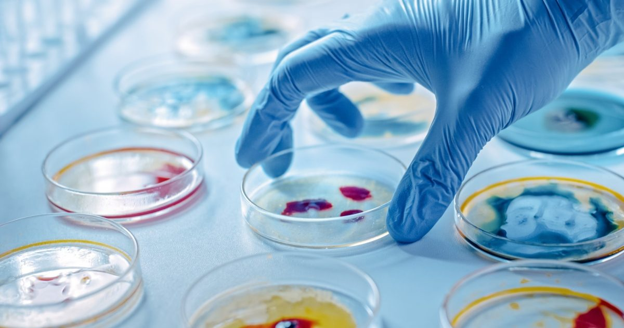
A new global study published this week highlights how a simple stomach bacterium that could have happened over a decade ago or a simple virus that is within your body since the last infection could possibly result in being the triggers that spark cancer without you being aware of their presence.
Table of Contents
1. What the Study Found
2. Who Conducted the Research
3. The Infections Behind the Numbers
4. Breakdown by Infectious Agent
5. How This Compares to the Last Major Estimate
6. The Encouraging Part: Most of This Is Preventable
7. Limitations of the Study
8. Conclusion
What the Study Found
Published in The Lancet Oncology, the research estimated that over 12% of cancer diagnosis, being roughly 2.3 million cancer cases that occurred worldwide in 2024 could have been due to simple infections. In simpler words, over one of every eight people that are diagnosed with cancer could also be traced to have been exposed to an infectious agent at some point of their life. And the research’s findings don’t simply mark another addition to the plethora of cancer research but rather puts infections as the second largest contributor to cancer worldwide, just behind Tobacco.
Who Conducted the Research
The study was conducted by the International Agency for Research on Cancer, IARC, the specialized cancer research arm of the World Health Organization based in France. Using the Global Cancer Observatory Cancer Today database, researchers tracked cancer incidences around the globe and cross-referenced it against the latest scientific evidence and research pointing towards infections that are believed to cause cancer. Notably, the research isn’t a first attempt by the agency but rather builds onto an analysis that it performed in 2018, while expanding onto the scale of the incidents of cases as well as the infections that were included during the research.
The Infections Behind the Numbers
The study lists 12 separate infectious agents to have played a confirmed causal role in human cancer with some being either of virus or bacterias while possibly laying the foundation for various cancers including cervical, stomach, liver, and certain lymphomas. The list also consisted of common infections that are typically disruptful to those affected, including hepatitis B and C, HPV, and H. pylori, alongside more recently linked agents such as HIV and Merkel cell polyomavirus. Notably, H. pylori, the bacterium responsible for a large share of stomach ulcers, was found to be the single largest contributor with HPV following closely behind, a finding that is reliable considering HPV’s role in cervical cancer. Another notable finding of the research was the Epstein-Barr virus, a virus that is commonly associated with nasopharyngeal cancer and certain lymphomas but with new research, could also be involved in causing gastric cancers which sharply enhanced its case counts than it was previously anticipated while also making EBV the fourth-largest infectious cause of cancer worldwide. The EBV virus also presents a more significant risk and challenge for researchers, since unlike other leaders HPV and Hepatitis B, there are no widely available vaccines for the EBV virus currently.
Breakdown by Infectious Agent
|
Infectious Agent |
Estimated 2024 Cancer Cases |
Primary Cancer Types |
|
Helicobacter pylori (H. pylori) |
~760,000 |
Stomach cancer |
|
Human papillomavirus (HPV) |
~750,000 |
Cervical, anal, vulvar, vaginal, penile, some head and neck cancers |
|
Hepatitis B virus (HBV) |
~360,000 |
Liver cancer |
|
Epstein-Barr virus (EBV) |
~260,000 |
Nasopharyngeal cancer, some gastric cancers, Hodgkin's lymphoma |
|
Hepatitis C virus (HCV) |
~160,000 |
Liver cancer |
|
Other agents (incl. HIV, Merkel cell polyomavirus, and others) |
Remaining share of 2.3 million total |
Various |
How This Compares to the Last Major Estimate
A similar global analysis that was conducted in 2018 had attributed the number of infection-attributable cancers at around 2 million cases, a number that jumped to 2.3 million in this study with the spike being attributed to population growth, improved cancer registry data in more countries, and genuinely new scientific evidence linking additional infections, and additional cancer types, to this category. It’s important to consider that researchers as well as the medical fraternity are now more able and quicker to measure and identify the cancer that was always there as compared to the previous study. Another important finding of the study was the disproportionate distribution of infection-related cancer findings around the world. Countries with larger proportions of their populations in lower or lower-middle-income experience a higher percentage of total cancer cases as compared to regions of wealthier countries, mainly due to the disparity in availability of vaccination, screening, and treatment for these infections. Previous research that considered this factor had also found that infections were also a leading cancer risk factor for women in a large number of countries, while also affecting the men in a smaller but significant proportion.
The Encouraging Part: Most of This Is Preventable
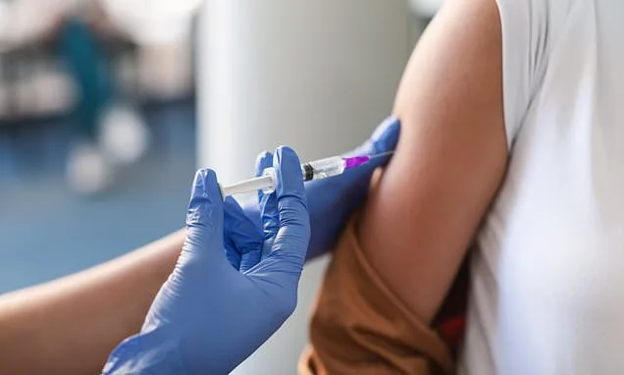
Within the detailed findings of the research also lies a silver lining, the fact that the majority of the identified factors of cancers are largely avoidable. Vaccines already exist for HPV and hepatitis B, which takes away two larger contributors to infections while H. pylori infections can also be detected and treated with antibiotics, before they have the conditions to progress toward cancer. Regularly conducting screening programs for cervical cancer can also benefit catching HPV-related changes early. Gary Clifford, one of the study's senior researchers, pointed out that the findings highlight exactly where future prevention investment needs to go, particularly for infections like EBV that don't yet have an effective vaccine.
Limitations of the Study
The researchers were not only detailed in establishing their findings, but were also quick to point towards the limitations of their own analysis. The research utilizes population-level estimates rather than tracking individual patients over years which means that the accuracy of the results could heavily vary based on the quality of cancer registry data available in each country, with the completeness and reliability of the data being other significant factors that could concern the results of the study. The study also only accounts to the 12 infectious agents with strong evidence that link them to cancers, but fails to consider other infectious contributors that could’ve been missed in previous studies.
Conclusion
Researches are often built on the numbers of their findings that provide a statistical and concrete identification to otherwise abstract ideas and findings, and this particular research’s number of one in eight on a global scale highlights factors that have otherwise remained ignored or become sidelined over time. It’s a reminder that most effective cancer prevention tools that include vaccines, screenings and basic infection treatment are not to be taken lightly or ignored but treated adequately to avoid larger consequences in the future.
This article discusses cancer research for informational purposes. It is not medical advice. If you have questions about your own cancer risk or screening needs, please consult a doctor or healthcare provider
Latest Posts