

Nepal's Big Vote How This Election Could Unlock a Goldmine of Business Opportunities
Breaking Nepal's Endless Government Shuffle
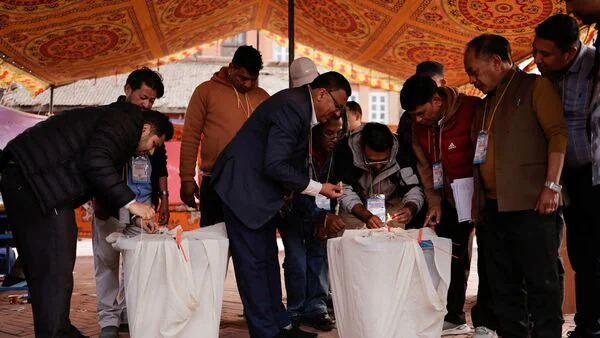
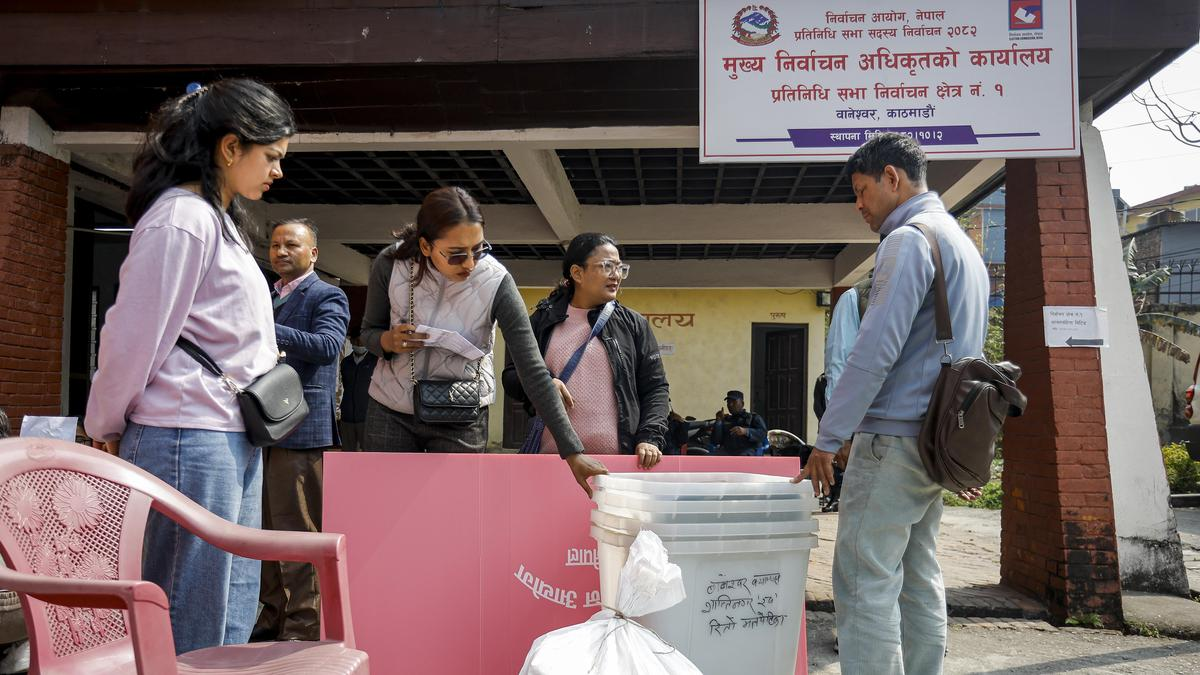
Nepal's old voting setup—pure proportional representation—created chaos, with 12 different governments cycling through in just 16 years. Everyone from shopkeepers to CEOs grew tired of the constant cabinet reshuffles every 18 months. This election introduces a fresh approach: a mix of direct constituency wins and proportional seats, specifically designed to deliver governments that last 4-5 full years.
Kathmandu's business crowd is buzzing about what this means. No more chasing new ministers every year to get permits approved. For Indian investors especially, this translates to contracts you can actually rely on and court cases that resolve in 12 months instead of dragging on for three years. Stability like this is gold in a region where political U-turns kill projects before they start.
Nepal's Rivers: The Hydropower Jackpot India Needs
Nestled between Himalayan giants, Nepal boasts an incredible 83,000 megawatts of hydropower potential, but only about 2,400 MW is actually up and running today. India has already signed preliminary agreements for 10,000 MW over the next decade, but nothing's moved forward because Kathmandu's politics kept stalling everything.
A solid government post-election could greenlight ₹60,000 crore worth of dams, including the 900 MW Arun-3 project led by India's NHPC and the equally sized Upper Karnali run by SJVN. From New Delhi's view, these aren't just nice-to-haves—they perfectly fill India's power gaps from March to June, when solar output drops off. Nepal's rivers run strong exactly when India needs them most, creating a natural energy partnership.
Indian Tourists: Nepal's Tourism Lifeline Makes a Comeback
Before COVID hit, Indians made up 35% of Nepal's visitors—that's 800,000 people crossing the border each year for treks, temples, and quick getaways. Now, with election stability on the horizon, Nepal is rolling out VIP visa-on-arrival perks, new flights from Gautam Buddha Airport, and fancy resorts popping up in Mustang's high valleys.
Indian hotel giants smell opportunity. Chains are eyeing lakeside properties in Pokhara, while luxury names like Oberoi and Taj scout tea plantation retreats in Ilam. A business-friendly government could easily double Indian footfall to 1.6 million annually by 2029. That's an extra $1.2 billion flowing into Nepal's economy, much of it from middle-class families in Bihar, UP, and West Bengal taking affordable Himalayan holidays.
Road Networks: India's Answer to China's Airport Play
China poured money into Pokhara's shiny new airport through their Belt and Road push. India fired back with plans for smart highways linking Siliguri straight to Lumbini via Bhairahawa. The next government in Kathmandu will likely fast-track ₹15,000 crore worth of these Indian-backed roads, connecting Bihar's factories directly to Nepal's budding Special Economic Zones.
Companies like IRCON and RVNL are already lining up bids for three major packages. The election result will decide if India's roads or China's airports get the green light first. For Indian businesses, winning this infrastructure race means seamless goods flow from Patna to Pokhara without border hassles.
Indian Companies Gear Up for the First Big Wins
In the power game, NHPC is pushing hard on land clearing for Arun-3, while SJVN aims to finalize Upper Karnali funding within three months of a steady government forming. These long-term power deals come at a steal—₹4.25 per unit, cheaper than Nepal's own coal plants.
Tourism players aren't sitting idle either. ITC Hotels has Butwal's transit hub in sights, and pilgrimage groups push for easy group visas to Lumbini. Pokhara's massive cable car scheme needs Indian builders who know mountain engineering.
Nepal's $40 billion consumer market opens wider too, thanks to new dry ports in Kathmandu. Brands like Dabur and Emami target 25% sales jumps by setting up factories in Birgunj's SEZ. Logistics firms jump in—Adani eyes a rail line from Raxaul to Bhairahawa, Blue Dart builds e-commerce warehouses.
Nepal's Delicate Dance Between Giants
Don't expect Kathmandu to pick sides outright. They'll keep playing Delhi against Beijing, mouthing "equidistance" during campaigns. But vote patterns lean toward India's practical hydropower and roads over China's flashier dam loans. India's External Affairs Ministry smartly backs centrists through temple funding and cultural exchanges—no heavy-handed interference.
Key Signs to Watch After the Votes Are Counted
Power exports to India could surge 40% within six months of a new regime, maxing out the 1,200 MW cross-border link. Investment approvals speed up too—the Industry Department clears 80% of Indian proposals in 45 days, not the usual 180.
Birgunj and Bhairahawa SEZs fill fast, with Indian textile, drug, and electronics firms snapping 60% of space. These are the concrete signals that Nepal's open for business.
India's Window to Lead in the Himalayas
This election hands Indian firms a rare chance to grab pole position in a neighborhood where China often moves faster. Unlike Bangladesh's street protests or Sri Lanka's debt meltdown, Nepal offers a clean political restart without financial baggage. Power stations, highways, hotels—the total pie hits ₹75,000 crore for firms ready to execute.
NHPC's Arun-3 stands as proof: Indian builders deliver on time, earning trust for the next ten ventures. Stable Kathmandu means steady cash flows and hydro assets with 80-year lives landing on Indian balance sheets—returns you can't match in India's crowded markets.
Nepal's historic general election ends years of gridlock and kicks off an execution era. Indian businesses acting now will shape Himalayan trade routes for generations, banking profits that outpace domestic saturation. The vote tally matters less than the contracts that follow.
Latest Posts