

NVIDIA CEO Jensen Huang Cancels India Visit Last-Minute
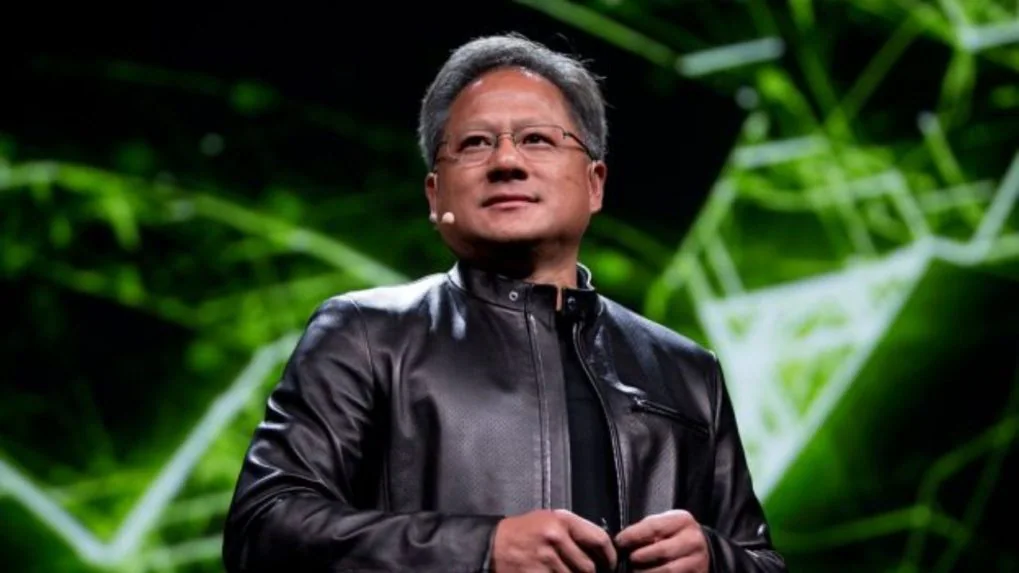
An incident of this magnitude raises questions regarding scheduling conflicts, security issues, and the significance that India would put on the ability of key opinion leaders/decision-makers to attend.
The Last-Minute Switch and Summit Context
Huang was set to headline the government-backed India AI Impact Summit (February 16–20 at Bharat Mandapam, New Delhi), rubbing shoulders with Sundar Pichai, Satya Nadella, and Tony Blair. His Thursday keynote and media interactions were marquee moments, NVIDIA powers ~80% of AI training workloads globally, making Huang the ultimate draw for India's $1.2T AI economy ambitions.
NVIDIA's statement was terse: "Due to unforeseen circumstances, Jensen Huang is unable to travel to India at this time. NVIDIA remains deeply committed to the AI Impact Summit and India's rapidly advancing AI ecosystem." No further details. EVP Jay Puri—a supply chain and operations veteran—steps in with a "senior leadership delegation" to "celebrate India's AI researchers, startups, and infrastructure partners."
Why Last-Minute CEO Cancellations Matter
For business audiences, Huang's pullout isn't just calendar drama—it's a signal in three directions:
Optics and Momentum Loss
- has dedicated significant resources to establish Huang’s presence: airport protocols for VVIPs, prime media placement, publicity campaigns. Puri is equipped to do the job, but he won’t have the rock star status of Huang. The Summit’s organizing committee is facing the challenge of re-aligning their agendas and their press releases and finding new sponsors at very short notice.
Executive Bandwidth Squeeze
Huang’s calendar looks like NASA’s mission control: GTC prep, supply chain issues in China, ramping up Blackwell. “Unforeseen circumstances” will most likely refer to crisis management of enterprise deals or regulatory hurdles or other C-suite issues requiring the CEO’s attention.
India's AI Ambitions Under Scrutiny
Delhi is looking for global endorsement that “America's king of artificial intelligence has chosen India.” The other CEO’s in attendance (Nadella, Pichai) carry a lot of weight but Huang represents the physical bulk of not just hardware but computers.
Potential Reasons Behind the Cancellation
There has been much speculation as to the reasons behind this lack of public information by NVIDIA. In no specific order:
- Supply Chain Emergencies. Tensions between Taiwan and China; shortages of high-bandwidth memory; TSMC yield issues that may require Huang's intervention.
- Regulatory Pressures. India is starting to fall into the gray areas of trade,as the US is tightening its AI export, restricting China.
- Security and Logistics. The levels of air pollution in Delhi (AQI's DQI 350+), traffic, and VVIP protocols are overwhelming.
- Strategic Reprioritization. GTC in March and sovereign AI deals (Saudi Arabia, UAE) are setting direction over and above NVIDIA's expectation.
NVIDIA's silence only supports all types of speculation equally.
Business Implications for India and Partners
India's AI strategy will need to be adjusted.
Startups in India
NVIDIA's Shakti DGX clusters (which were supposed to arrive in India last year) have arrived safely in the country. However, Yotta and Netweb are still waiting for clarifications from the US government, with respect to the transaction related to the delivery of Blackwell and H200, due to licensing and international shipping issues.
International Collaborations
At their company summits, Reliance Jio, Tata Consulting Services and HCL Technology all acknowledged that they were at what is now considered "the India Moment." But without Huang being present, it limits the ability of sovereign funds and venture capitalists to invest more than $10 billion into companies based in India.
Talent / Policy momentum
IITs and IISc's expected benefit from Huang's star appeal would be accelerated...resulting in increased PhD pipeline and funding from GPU grants. The work that Puri is doing to close these contracts will ultimately be enhanced by the charisma he brings to the successful development of these companies, ultimately creating more value to India globally.
Leadership Lessons from the No-Show
Huang cancelled provide C-suite playbook tips:
- Protect calendar aggressively: No two CEOs are alike, delegating/depth matters.
- Pre-wire substitutes: Puri is prepared because NVIDIA has gamed this scenario before.
- Control narrative: Brief statement talking about commitment avoids speculation spiral/creates consistency between previous statements and current.
- Elon Musk's pull out at the last minute creates a large amount of chaos.
India's Pivot
Modi's inauguration, keynote addresses from Nadella and Pichai, and announcements of a $5 billion sovereign AI fund will provide momentum to move forward. The Indian government;s is relying on the “Economy Strength” strategy, rather than focusing on specific individuals as “Stars”. India is developing a more mature way to attract global capital.
Huang's cancellation by the CEO of NVIDIA demonstrates that the CEO's ability to travel gives him an edge over the other CEOs of the world's largest technology companies. For example, by cancelling Huang's trip to India, NVIDIA has demonstrated that the company can build the necessary infrastructure (support/momentum) for its operations, rather than creating a personality cult around the company's CEO.
The most valuable business lesson that can be drawn from this experience is to evaluate the footprints left behind by the top executives of a company (C-suite) to understand the priorities of the organization.
Latest Posts