

NASA's First Space Medical Evacuation
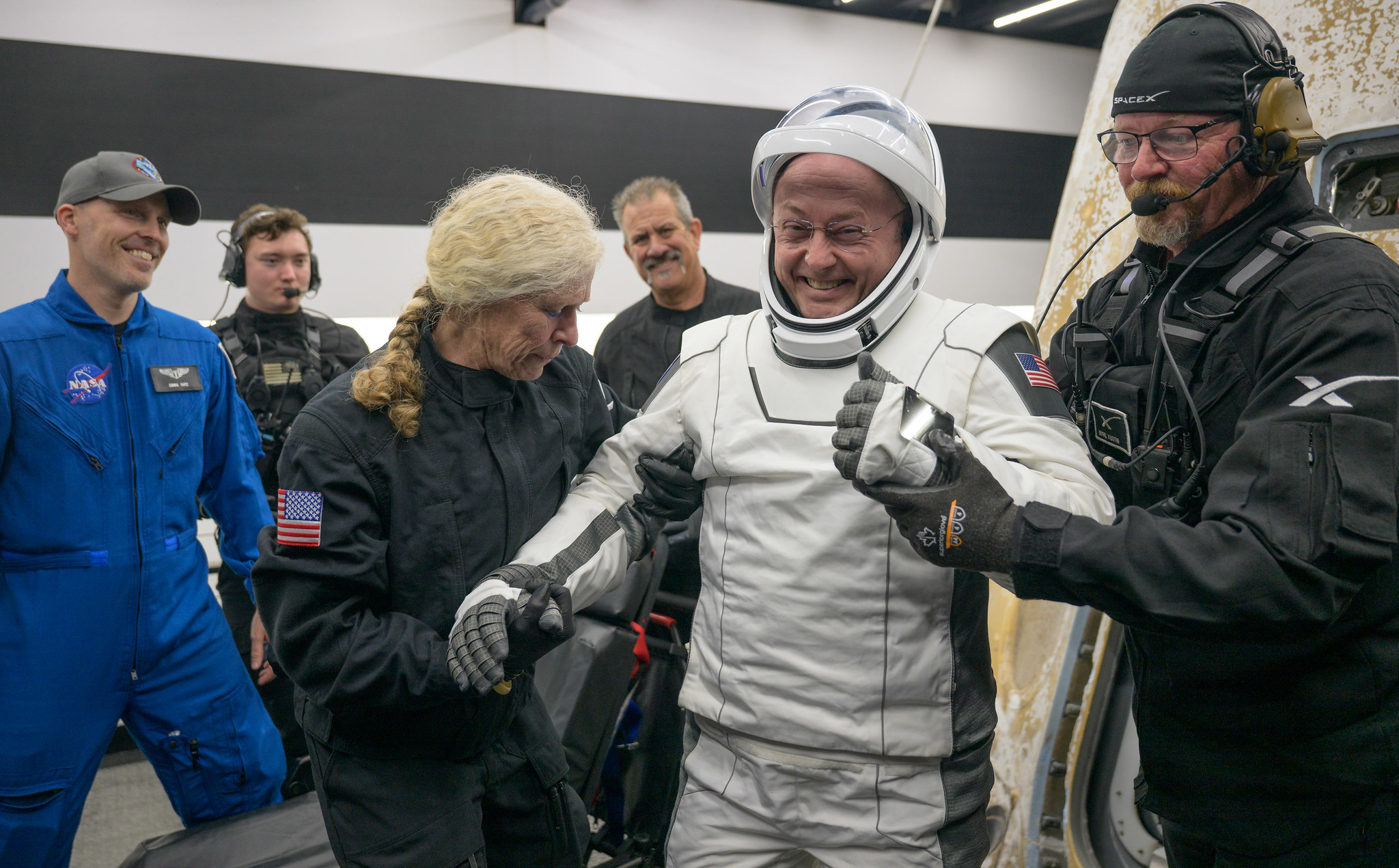
The Mission and the Medical Call
Crew-11 was launched from Kennedy Space Center in August 2025 into a seven-member ISS crew configuration and was engaged in conducting microgravity research, performing spacewalks, and transporting commercial payloads to and fro from the ISS's cargo dock. The launch had proceeded per schedule until January 7, when NASA cancelled the spacewalk due to poor weather conditions and subsequently initiated the Crew-11 astronauts' return home.
The affected astronaut had not suffered from acute life-threatening conditions, but the diagnosis from orbital observation fell short of the required standard for diagnosing a severe condition. Jared Isaacman called it a careful call—bringing the crew home for full Earth diagnostics instead of guessing in orbit. They undocked Jan 14, splashed down off San Diego 11 hours later. All four healthy, now recovering at hospitals before JSC. Three remain on ISS, pausing spacewalks til mid-Feb replacements.
The Crew-11 members undocked from the ISS on January 14 and splashed down in the Pacific Ocean near San Diego approximately 11 hours later. All four Crew-11 members emerged from the spacecraft in good health and immediately after being cleared by the medical staff of the hospitals they visited, made their way to Johnson Space Center. Prior to the unplanned return of the Crew-11 members to Earth, three Crew-11 members remained aboard ISS until they were replaced in mid-February, which caused the suspension of any additional spacewalks planned for Crew-11 members while they were on board ISS.
What We Know (and Don't) About the Health Issue
The facts are shielded by medical confidentiality, but we have theories that could include: infections, visual problems. Fortunately, as stated, "the patient is stable".
Russian cosmonaut Vladimir Vasyutin was evacuated due to prostatitis in 1985, which sets a standard of what to expect; NASA states that they expect one of these every three years.
Key Facts:
- The crew members treated themselves with blood thinners and ultrasound scans, when they were resupplied. However, there was no effect on the station's operations. And when the crew members will arrive back on earth, they will receive routine medical treatments to assist them in conditioning.
- This was Isaacman's first major decision as an administrator; a billionaire who flies into space working to keep the astronauts well while there is a cost of over 100 million dollars for the mission.
Business Aspect: Commercial Space Gets Real
Forget demo missions! Space medical evacuations have caused the operators to price the risks of human health.
Insurance and Liability Shift
Traditional aerospace insurance was written to cover equipment failure but not health issues. Aflac and Lloyd's are offering policies for space health at $10-50 million per seat for medevac scenarios. SpaceX considers their Crew Dragon liability to be capped at $500 million for each flight, and private flight operators, like Axiom, will pay over $100 million in premiums. We can expect prices to increase 20-30 percent as the number of flights increases.
Operational Costs Spike
Crew 11's early return created a bottleneck on the station's capacity which delayed $200 million worth of research instruments waiting to be launched. The cost for SpaceX to replace these has resulted in acceleration costs of an additional $50-75 million.
Tech and Partners in the Hot Seat
The success of SpaceX's Dragon capsule proves its reliability during nominal undocking, re-entering and recovering its cargo, all while carrying medical personnel on board. However, the recent incident highlights the need for improvement in medical evacuations when dealing with astronauts.
Limitations of onboard medical care were identified. Currently, astronauts have access to ultrasound technology and a telemedicine link to medical personnel in Houston; however, there are no ways to conduct MRI scans or consult with medical specialists. Today's astronaut can be home within 48 hours. Future plans include the use of artificial intelligence (AI) for diagnostic purposes and the ability to perform robotic surgical procedures.
Several private companies, including Axiom Space and Blue Origin, are hoping to offer medical evacuation services. Axiom Space has signed contracts with Sierra Space to build inflatable habitats with attached medical clinics.
Economic Ripple: $10B Space Health Market
The emerging industry of space medicine is projected to reach a market value of $10 billion by 2030. Companies, such as Philips and Medtronic, are developing devices for orbital imaging, whereas GE Healthcare has targeted zero gravity ventilators.
From an Investment Perspective:
- Biotech companies, such as Synchron who develop stentrode medical BCI devices, are pivoting to work on issues related to trauma in outer space.
- A-B-B-C-D E. Insurance will require all astronauts to have pre-flight MRI scans conducted followed by 24/7 flight monitoring by a team of qualified flight surgeons.
- Insurance companies will be providing assurance to payload purchase customers regarding their options of "back up" capacity, where a delay in access to a space station could cost $5,000,000 a day.
What is in Store for the Crew and/or the Station Hospitality Professionals?
NASA is continuing to train Crew-11 at Johnson Space Center. They plan on keeping the International Space Station, staffed with three crew members and have created backup Soyuz capsules. SpaceX has accelerated the timing of Crew-12's launch to bring operations back to normal levels.
NASA is revising their protocol to maintain longer-term reliability and safety of their continuing programs. The agency previously maintained that computer simulations would allow them to predict the number of missions and their associated risk; however, they now know that computer models have underestimated the risk of losing the rescue options associated with each mission.
The Bigger Picture: People are at High Risk of Being Injured in Space
The successful performance of NASA's first in-space medical evacuation has highlighted the seriousness of the dangers astronauts face while up in space. Astronauts are not invincible and the microgravity conditions will erode the density of the bones, shift fluids in their body and increase radiation exposure.
With the potential business opportunities in space hotels, mining and space tourism, all businesses are forced to consider the reality of the risks associated with accidents in space.
NASA has experienced one instance of a severe medical situation that has already cost more than $150 million dollars in operational response costs. If space access occurred at an average of 100 missions a year, daily flights will occur like clockwork. While insurers have ramped up their underwriting techniques, technology companies have become more creative with their products and services and, therefore, as of today, the evolution of the International Space Station has begun. So will the rest of the space industry. But the next version of flying into outer space may not be as seamless as the first version. Space demands adaptability not only in your life, but also for every level of business.
Latest Posts