

Mojtaba Khamenei Named Irans New Supreme Leader
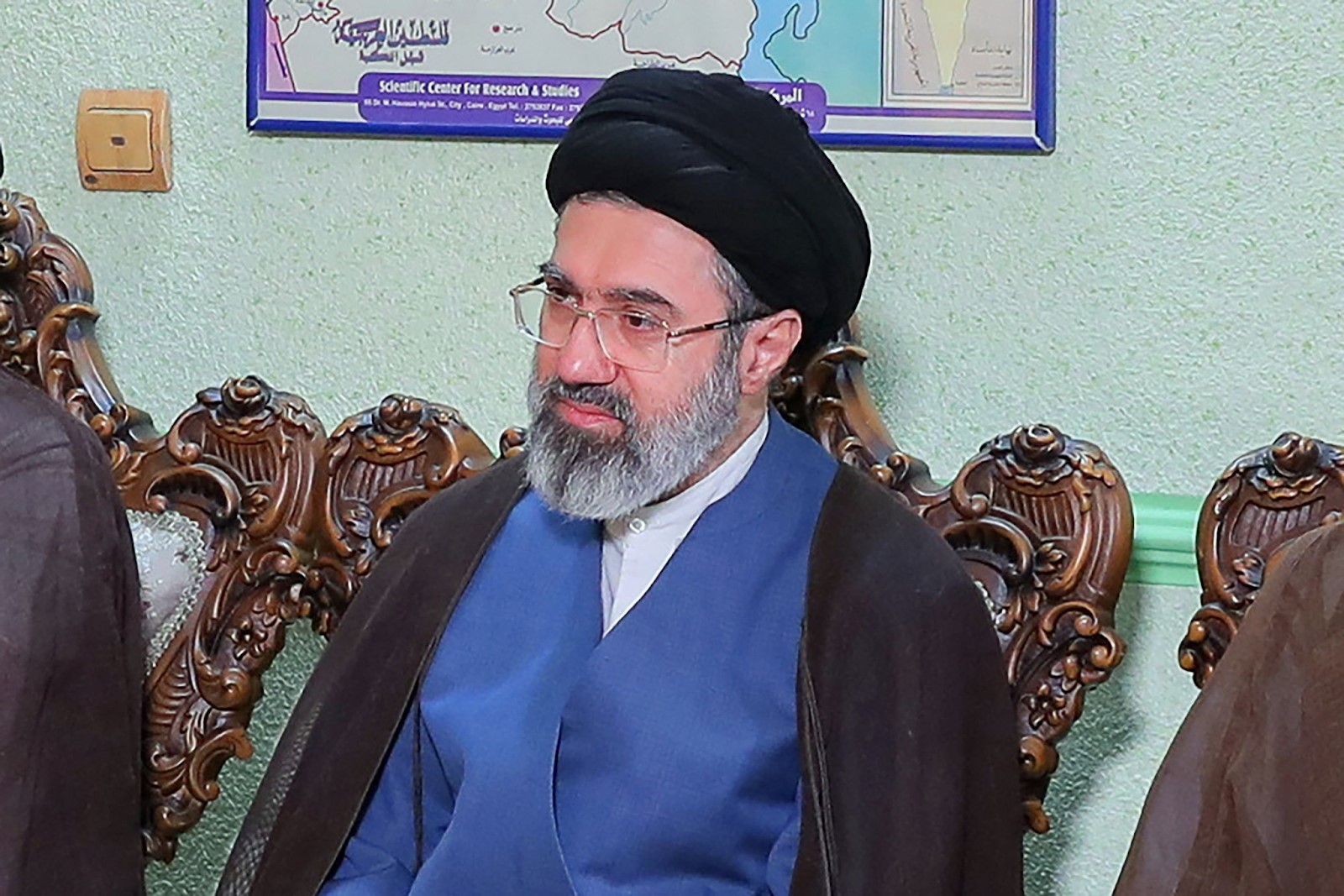
Who Is Mojtaba Khamenei, Really?
Mojtaba has always seemed to be more of an "in the shadows" player than a public cleric, probably due to being the son of the late Ayatollah Ali Khamenei, who led Iran for over 30 years before his assassination in the ongoing conflict. Over time, Mojtaba cultivated considerable sway, leveraging his connections with the IRGC and conservative clerical circles. He did this by subtly influencing election tactics and internal power plays, all without holding a prominent title or official role.
Mojtaba's recent appointment to the Assembly of Experts places him as the third Supreme Leader of the Islamic Republic since 1979. This move signals a continuation of the current Iranian regime, not a shift in its fundamental nature. The continuation represented by this decision has particular significance as it indicates that the current Iranian regime is more likely to intensify its existing policies (e.g. those related to nuclear capabilities); more likely to create and use proxy forces in regional conflict; and, more likely to confront U.S.-led western nations.
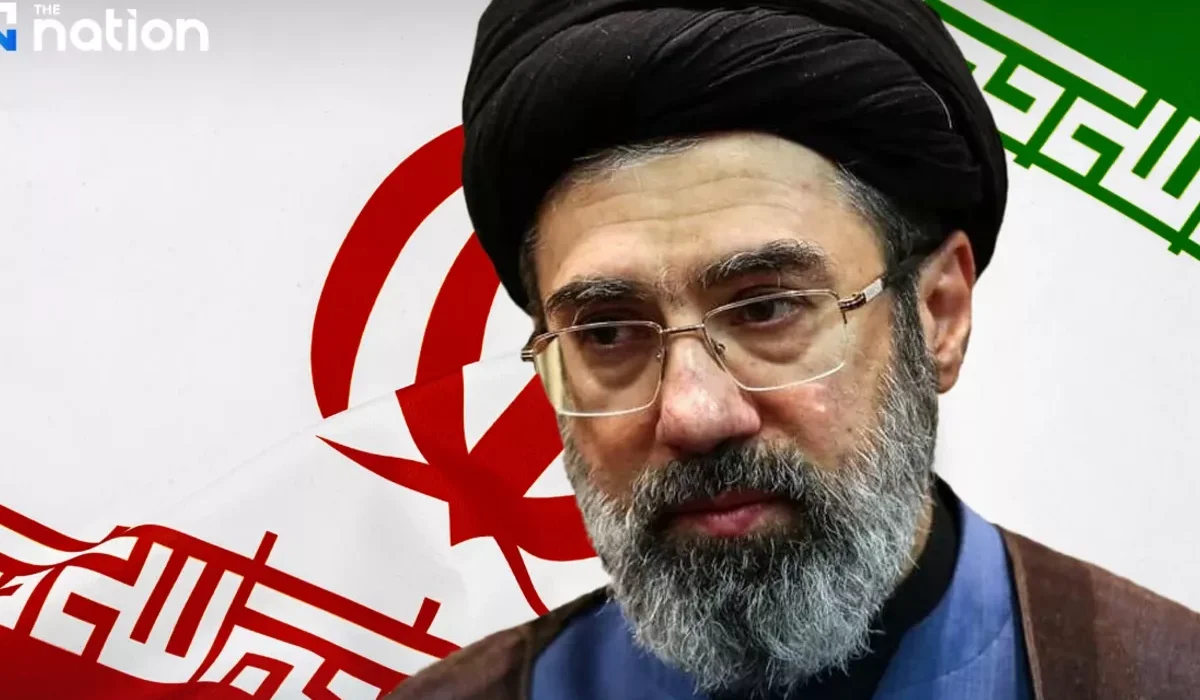
Leadership Transition in the Middle of a War
The success of Iran in this situation did not happen during a time of peace, but instead was because of Iran fighting with Israel and attacking Gulf countries, followed by strikes by American and Israeli forces against some part of Iranian infrastructure, including oil facilities. This newly formed Iranian leadership has already launched new attacks within hours of Mojtaba being named the new leader which indicates their intent to use resistance as a source for legitimacy rather than attempts to reduce tensions with the United States and others.
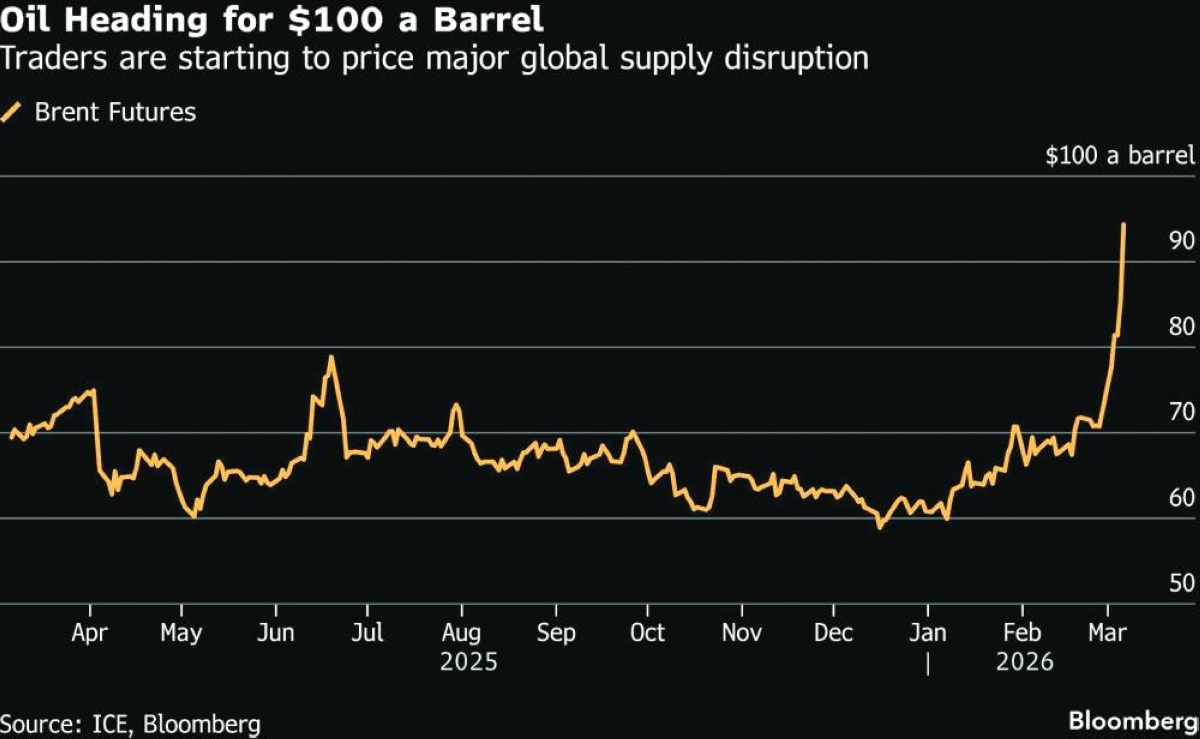
As soon as news of the Iranian leadership changed, Brent crude price briefly surged toward 120 dollars/bbl as traders included fear of supply disruptions in pricing and possibility of additional unrest in the Middle East. For companies that are exposed to fuel, logistics and global trade, high input costs associated with this new Iranian leadership are already being reflected in their costs rather than waiting for this to develop into anything resembling diplomatic relations.
Energy, Sanctions and the Global Business Lens
Under Mojtaba's leadership, Iran is very unlikely to rapidly move towards the U.S. or Europe for a compromise. The Revolutionary Guards have made a public commitment of "total compliance" to Mojtaba, indicating there will be a tightly knit strategic-security system that has little room for moderate beliefs. This brings about the following three practical questions in business:
- Will there be further solitude imposed by countries that will hurt Iranian oil exports and/or shipping?
- Will there be a significant increase in the way energy infrastructure and shipping lanes would be attacked in order to use the tools of leverage?
- How much longer can the markets absorb those high prices before demand destruction occurs?
For the time being; however, the rise of war risk within both the Gulf and Eastern Mediterranean area is increasing all aspects of insurance premiums, freight rates, and hedging costs, especially in energy-intensive sectors. Therefore, companies that have treated "geopolitical risk" as background noise are now treating it as an official account entry.
The India Angle: Energy Security and Strategic Room
Mojtaba Khamenei comes to power at a tenuous juncture for India as the country's heavy dependence on imported crude oil means that any sustained increase in the price or risk of disruptions caused by shipping will have a direct impact on inflation, fiscal deficit, and household budgets. For decades, India has attempted to maintain a careful balance in its relations with Iran, including purchasing oil, investing in Chabahar Port, and pursuing diplomatic engagement, while staying within the parameters of U.S.-led sanctions.
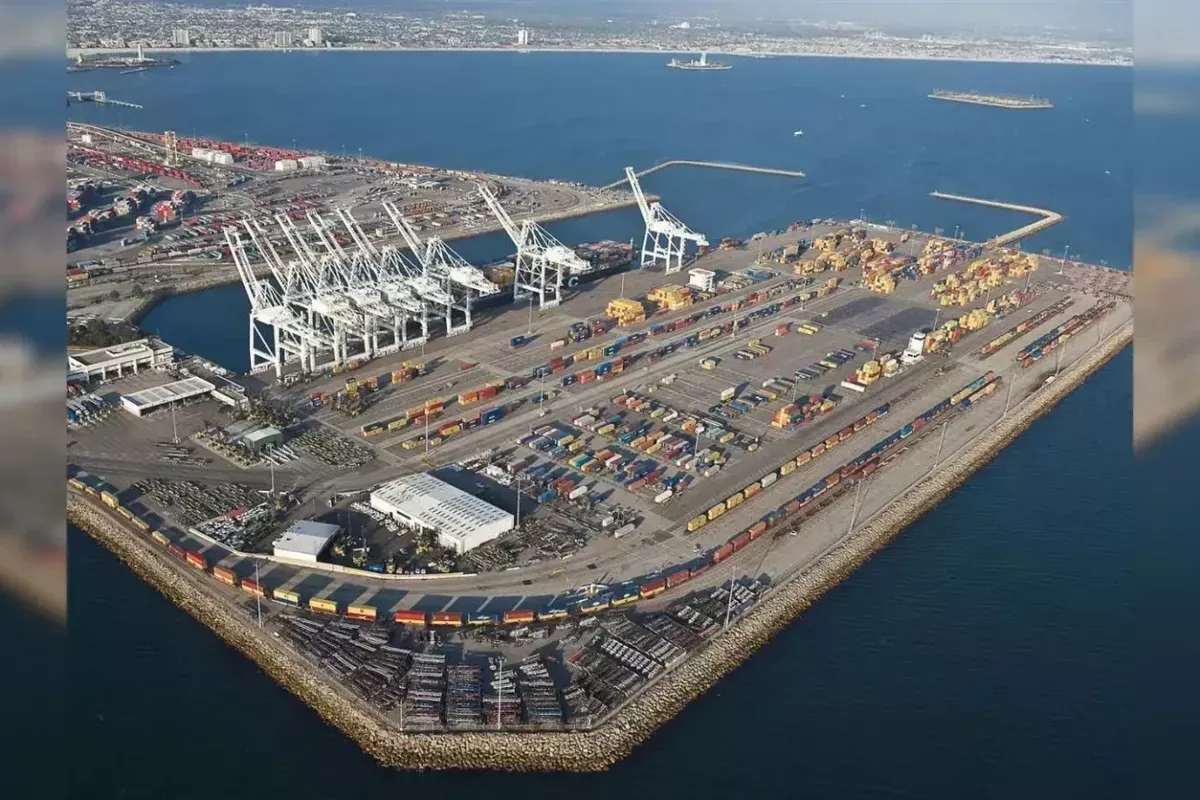
The prospect of a more hardline Iran under the direction of Mojtaba Khamenei poses added complications for that balancing act—India's options for the purchase of discounted Iranian crude decrease with any further increase in the level of Western sanctions, even though it is becoming increasingly difficult to find affordable sources of energy. Additionally, India is closely monitoring how Iran interacts with major regional players such as Saudi Arabia and the United Arab Emirates, and with Russia—concurrent with its own energy and trade objectives.
From the perspective of Indian businesses, these developments will have several immediate pragmatic consequences: rethink fuel hedging strategies; consider alternative supply sources; and stress-test the logistics of transporting goods from Gulf countries.
What Global Businesses Should Watch Next
This is not a flash news story. There are three signals that indicate how businesses can understand their future, from the Iranian perspective, with Mojtaba Khamenei as the new leader:
- The rate and intensity at which Iran will escalate or de-escalate its regional violence.
- Whether Iran will restart or entirely freeze back-channel diplomacy with its major trading partners.
- Where energy markets will settle – whether oil prices will stay high or whether this was a single, shock event in oil pricing.
Business-ready, digital-connected, and digital-capable companies will likely find this to be a clear but not entirely pleasing message: any time there is a change of leadership in a tightly controlled system, the changing of the leader will result in changed ideology and expectations for risk, hence also affecting supply chains and investment sentiment.
In other words, the rise of Mojtaba Khamenei to leadership in Iran is not just an Iranian story and has created new variables that will affect all future forecasting models of the world as they pertain to oil price, stability, and the costs of transporting products around the world.
Latest Posts