

Microplastics in the Ovaries The New Crisis for Global Reproductive Health

Several recent studies have demonstrated the presence of microplastics in the ovarian follicular fluid of women and there is evidence from experimental studies suggesting that microplastic exposure can have negative effects on ovarian function, hormone balance and ultimately fertility.
The larger story is not only the health/medical implications but also the potential transformation of healthcare, fertility and consumer demand within the next several years due to microplastics. Thus, there is also a strategic opportunity for marketers to identify ways to reach the primarily digital-first, business-focused audience.
What Scientists Are Seeing
The evidence is still developing and will continue to grow in importance. While human studies are limited, there are now enough trends seen that the evidence for these trends is impossible to ignore; for example, a systematic review of the literature published in 2025 highlighted the clear negative impact of microplastics on female reproductive health by showing that all experimental studies demonstrated clear and consistent negative reproductive health effects (e.g., ovarian dysfunction, decreased fertility rates, and abnormal hormone levels). Additionally, researchers found that more than two-thirds of follicular fluid samples tested contained microplastics meaning that these harmful chemicals are entering directly into the reproductive system of females where eggs are produced and developed.
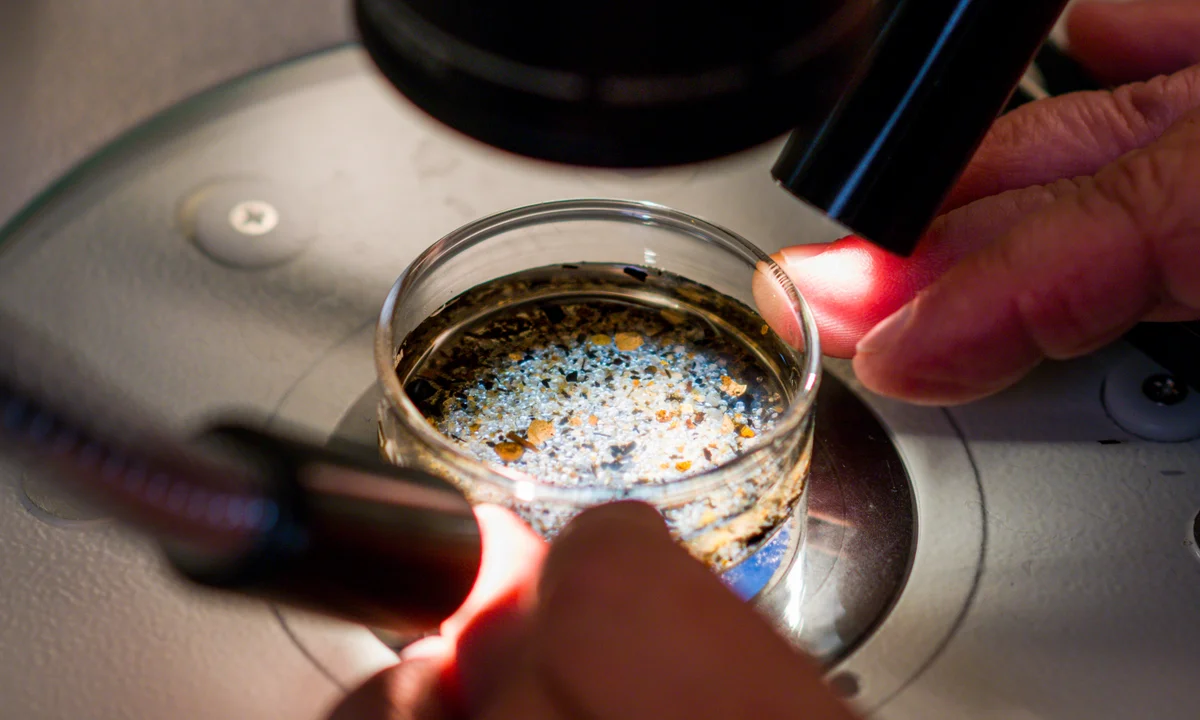
This is where things start to get real for consumers. Once it has been confirmed that contaminants have been found in reproductive tissues, the conversation changes from talking about "environmental contaminants" and "contaminated environments" to asking whether or not these contaminants have a biological effect on reproductive systems. The discussions then go far beyond just being about pollution and environmental contamination; they become much larger and much more personal.
Why Ovaries Matter So Much
The ovaries are not simply a location for the storage of eggs; they are a complex, dynamic system where eggs develop and hormones signal each other to work in harmony. If there is an association between microplastics and fertility, it could be caused by inflammation, oxidative stress, hormone mimicry/effect, and damage from the numerous toxic chemicals found in plastic, such as phthalates, bisphenols, and perfluoroalkyl substances (PFAS).
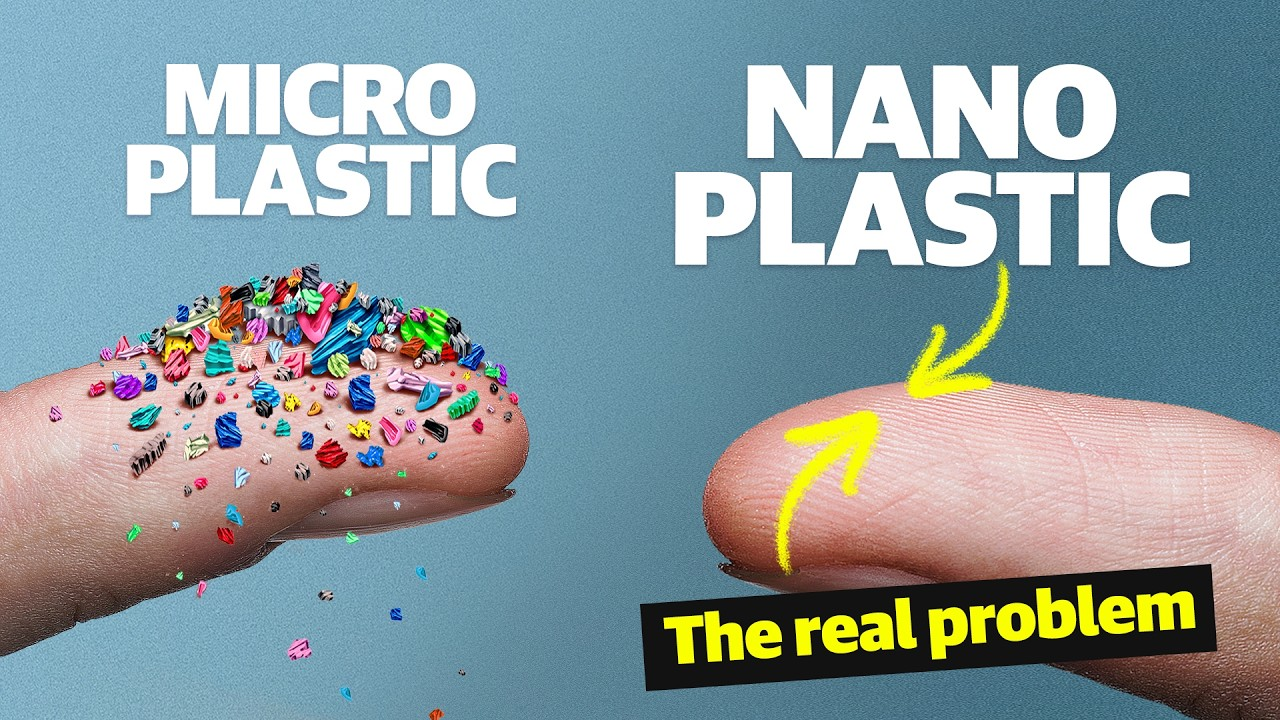
Microplastics are now seen as a significant threat by many scientists because of their capacity to get through biological barriers (like the placenta) and carry chemicals and contaminants that may disrupt reproductive health. Therefore, while microplastic particles are very small, the consequences of their presence may be much larger than simply an increase in microplastized usage of artificial growth hormones.
The Business Ripple Effect
The impact of microplastics on fertility has ramifications that extend well beyond a headline in the public health sector. If fertility rates continue to decline due to microplastics, it creates significant potential for implications across many industries. For example, this could increase the demand for new service and product offerings across fertility clinics and services, reproductive testing products and services, women’s health companies and funding sources, pregnancy-related insurance providers, baby/children’s product companies, and consumer wellness companies.
One likely scenario is that more women will pursue fertility testing before they are ready to have a child. This could lead to higher demand for hormone testing, ovarian reserve testing, environmental exposure testing, and a range of other integrative reproductive health services, thus providing considerable economic opportunity for both medtech and femtech companies to develop convenient, mainstream products that assist with tracking/reducing exposures to microplastics, rather than just niche wellness products.
Conversely, consumer goods companies will likely experience more scrutiny and pressure to rethink their production practices to align with the ongoing evolution of consumer expectations regarding microplastics. Examples include packaged foods, textiles, tanning and cosmetic products, bottled water, food-contact materials, etc., as a growing number of consumers will begin to ask themselves this fairly simple question: "What’s all this plastic doing to my body over time?"
Why You Should Still Take Care of Evidence
The police report regarding the events in question and what, if any, relationship exists between the alleged personal conflict(s) and this case will represent the biggest news to follow. If the police find a motive, and evidence indicates it is part of an ongoing investigation of an even larger crime than had been believed (i.e., it's the "Twin S"), then the level of publicity received prior to having any factual basis to support those allegations will serve only as an example of how social media can falsely attach celebrity speculation and unfounded allegations against another individual before sufficient evidence is available to determine all the particulars of the event.
For now, it would be prudent for those who want to continue to connect this rapper to this incident to treat any association with him as unproven, keep track of what is released by law enforcement and remain cautious when a public version of the incident is thought out too completely and presented to the public too early.

What Comes Next
There is a strong possibility of an upcoming trend toward exploring the impacts of microplastics on reproductive health, specifically regarding their effects on ovarian tissue, hormone disruptions, and long-term fertility. If this research supports the establishment of a solid correlation between microplastics and female reproductive system damages, it may bring about new regulations/media surrounding plastic exposure, fertility education, and even environmental health regulation.
The key message to take away from these studies/conversations is that this issue has gone beyond just pollution. It has become an issue that also relates to human anatomy and reproductive planning and the unforeseen costs associated with living in a plastic-ridden society. Additionally, with how the Reproductive/Infertility issue covers all aspects of the healthcare industry (i.e., health insurance), consumer habits and government regulations; this discourse will continue to become louder as we gain more knowledge through the findings from this research.
Latest Posts