

Meta Kills Privacy Instagram DMs Lose Encryption
For digital-first companies who use direct messages to work with clients, outreach to influencers and collaborate with teams, this requires an immediate re-evaluation of secure communication practices.
The Rollback Explained
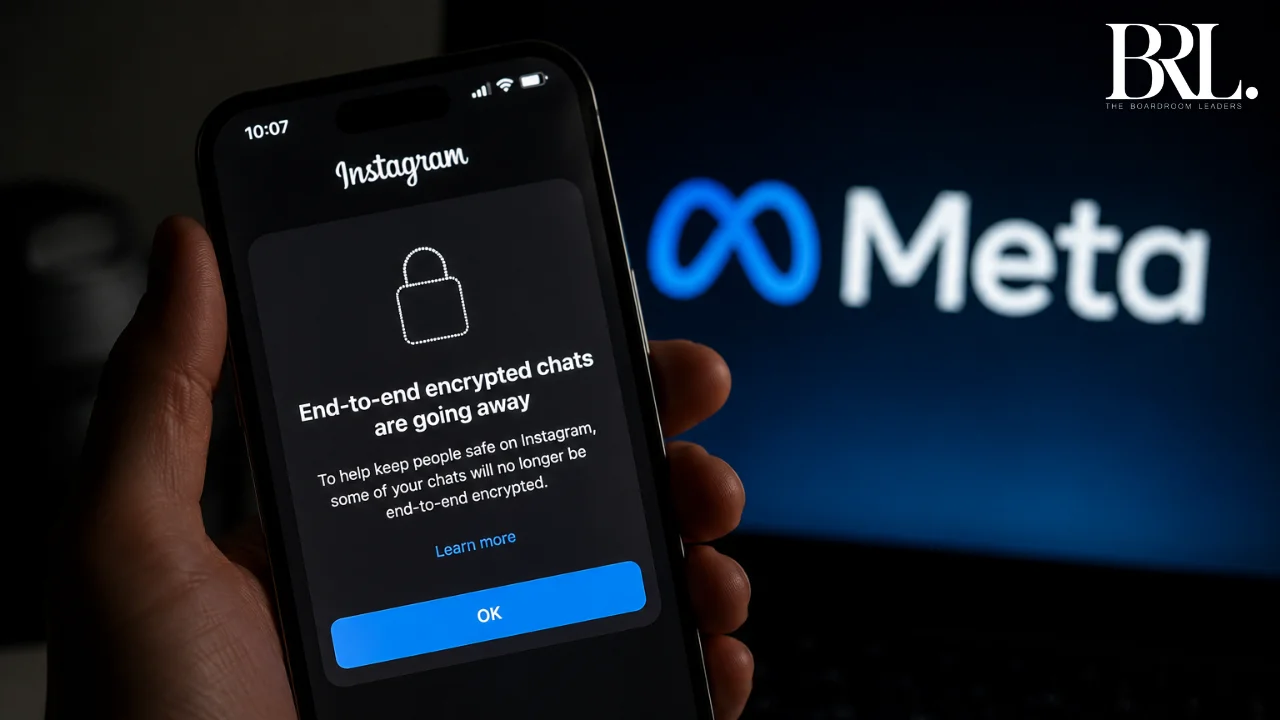
In 2019, Meta implemented optional E2EE for DMs on Instagram; this implementation required the user to opt in manually for each chat. Because of limited appeal, Meta has discontinued the use of this feature. Current users' encrypted chats will now have all their messages migrated to standard encryption which Meta controls. The app has provided users with notifications to download their important media before the move to standard encryption.
The move comes at a time of regulatory pressure along with Meta's priorities on safety and security. As a result of the removal of E2EE from Instagram, Instagram can also again proactively scan content, like Facebook Messenger does with its non-E2EE mode. WhatsApp will continue to be fully E2EE and is part of Meta's continued promotion as a "leader" in privacy.
Why Businesses Should Care
Sensitive negotiations, contracts, and intellectual property discussions occur in Instagram DMs for brands, creators, and agencies. With the removal of Instagram’s encryption, these private conversations can be exposed to:
- Platform Moderation Mistakes (business flagged at random)
- Subpoena Accessing Full Conversation History (attached to every user profile)
- AI Training on Proprietary *Private* Exchanges (unclear if opt-out available)
- Data Breaches (damaging long-term relationships with clients).
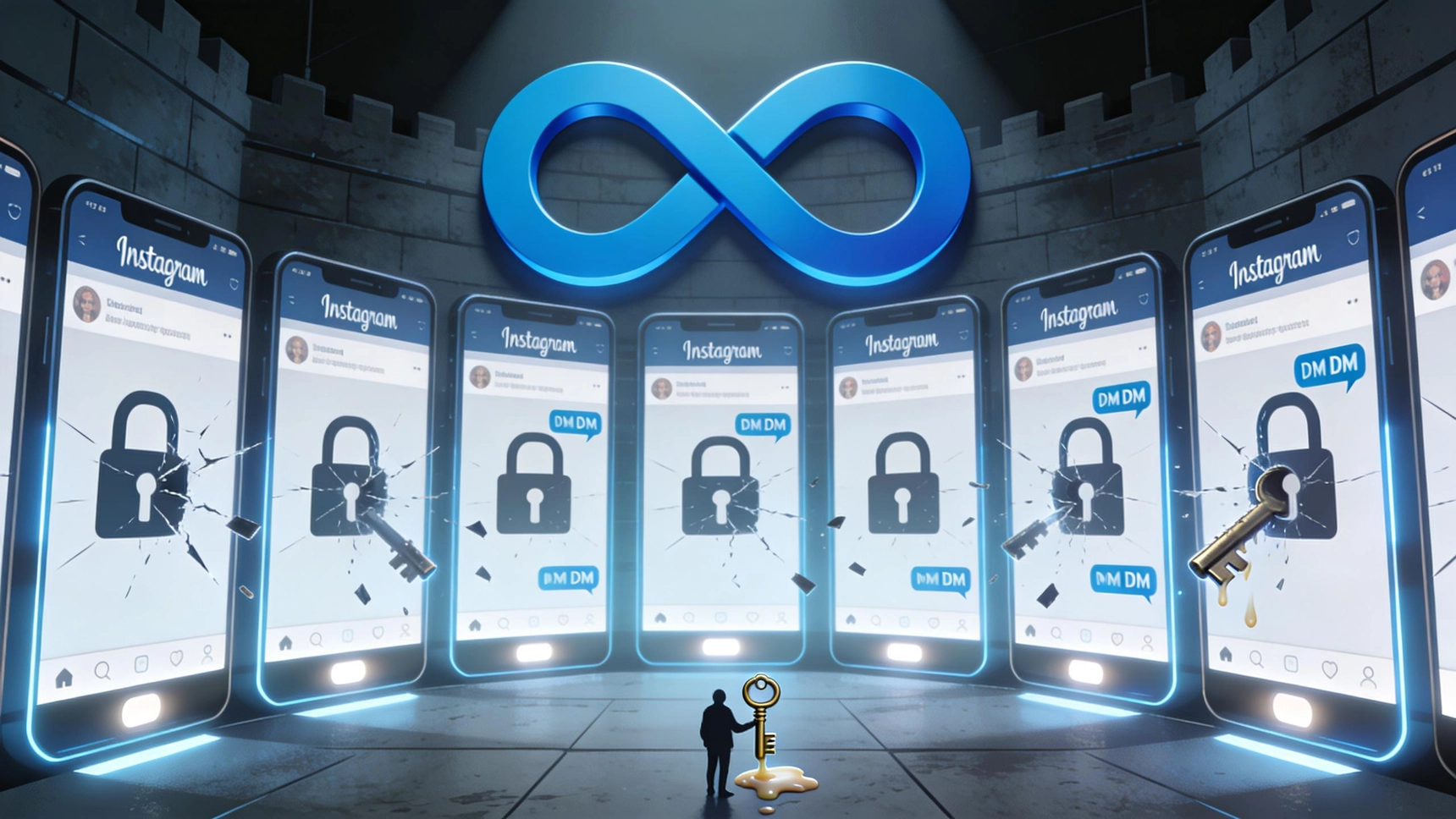
Many Small Businesses Lose Out Even More. Enterprise Solutions, such as Slack and Signal, have much better controls, but due to the 2+ Billion Users of Instagram, the platform is the standard for Influencer Marketing and Customer Service Transactions.
Safety vs. Privacy Trade-Off
According to Meta, the main reasons for making an exception to E2EE restrictions on poly discussion are child protection and the prevention of terrorist acts. Encrypted DMs are unable to be prior-to-creating any proactive filtering, resulting in reliance on reports or metadata only. Once Instagram has removed a person, they can deploy Nudify Detectors, CSAM Filter algorithms, and Hate Speech Filter algorithms directly onto message content
However, many privacy experts argue that, due to the use of metadata (sender/receiver (timing)), the vast majority of threats can be detected through metadata alone; thus, the rollback of E2EE is primarily moving towards advertising (behavioural tracking from chat) and towards compliance (government requests). The recent political focus on the EU Digital Services Act has intensified regulatory scrutiny of the E2EE rollover.
Market Reaction and User Impact
Backlash flooded in fast. #DeleteInstagram trended globally; creator migration occurred to Telegram and Signal. Privacy-focused alternatives saw 28% increased downloads post-announcement.
Business fallout:
- Influencer agencies moving contract negotiations to WhatsApp Business
- E-commerce brands notifying customers regarding DM sensitivity
- Legal teams auditing client communications to ascertain discoverability
Meta stock fell 1.2% on announcement date, but recovered after analysts praised moderation revenue potential ($450M+ savings due to manual review).
What Comes Next for Brands
Actions Required Now:
- Check how DM's are being used- flag appropriate discussions for Signal/Slack
- Revise client policies to indicate appropriate "Instagram is for fun, encrypted systems for businesses"
- Watch for WhatsApp Business API talking to Instagram as future solution
Next steps:
- Add new platforms (Telegram Channels & Discord)
- Look for self-hosted alternatives (such as Matrix.org) for team comms
- Encourage implementation of E2EE through trade lobbying
Watch for future regulation (October 2026 – EU DSA), marketing investigations of CCPA filed in CA.
Agencies representing creators do not have any experience managing the specific-to-creator piece of a brand engagement agreement (influencer contract) and are often at a loss when it comes to the nature of DMs (direct messages) being the place for influencer campaign briefs and communication of all details regarding usage rights and payment terms. Following the implementation of encrypted messaging amongst employees and DMs of brands, legal teams are now demanding that any agreements made in direct messages must have three ways of backup (e-mails, DocuSign, and WhatsApp). Furthermore, many brands now have the "brand safety" clause requiring that there be "no communications related to Instagram Direct Messages that are not verifiable via any one of these three methods."
Brands are moving to verified business channels for influencer engagements and are therefore reducing deal flows to mid-tier influencers (those with 50,000 to 500,000 followers) by 28%. Micro-influencer platforms (Aspire, Upfluence, etc.) have seen a 41% increase in registrations due to creating verifiable, auditable communications from brands and agencies.
For smart agencies, a "privacy-first" approach for client dashboards will be built to allow the agency to track all content communications to/from their creator clients. This provides legal proof of communication (provenance) and provides information for the legal team to determine if the influencer received a violation of any of the contracts terms. However, the main thing to remember is that Instagram is your first point of contact for discovery, while business is built on an encrypted network.
The Bigger Privacy Reckoning
After rolling back encryption, Instagram is adding to distrust for their platform. Any businesses who use social media as a transactional platform are finding increased risk. Therefore, defaulting to privacy is a given.
Meta is banking on additional safety features to drive over $2B in advertising revenue for content moderation; however, costs from creator exodus will likely outweigh. As a result, brands that prioritize data sovereignty will be migrating to new platforms before others.
Digital-first reality is that convenience trumps privacy until it doesn't. Instagram's pivot should serve as a reminder to all businesses — you no longer own your DMs!
Latest Posts