

Markets Rebound as Oil Prices Steady

From Oil Shock to Oil Plateau
The crude oil price movement has certainly been volatile lately. As a result of the conflict in Iran and the Middle East, as well as shipping disruptions around the Strait of Hormuz, Brent and WTI have seen their prices jump to the highest levels we've seen since the energy crisis of 2022. In early March, prices were over USD 100–103 per barrel and volatility across asset classes reflected this new found price excitement.
However, over the last few trading sessions, the oil market has changed its price action pattern from vertical to sideways, with oil being priced in low 100s relatively close together as opposed to the previous style of hitting new highs (in 5–10 dollar increments) on a daily basis. We have also started to see some oil flows return from the UAE's Gulf port of Fujairah, and the idea of having naval escorts available through the Strait of Hormuz has greatly eased the extreme supply side concerns we had through much of February.
Several of the major market analysts have all predicted the current described price levels for the next several months, but they also believe that the average price levels will eventually begin to stabilise; however, they don't predict an explosive up move from current levels in the short term.
Global Equities Catch a Bid
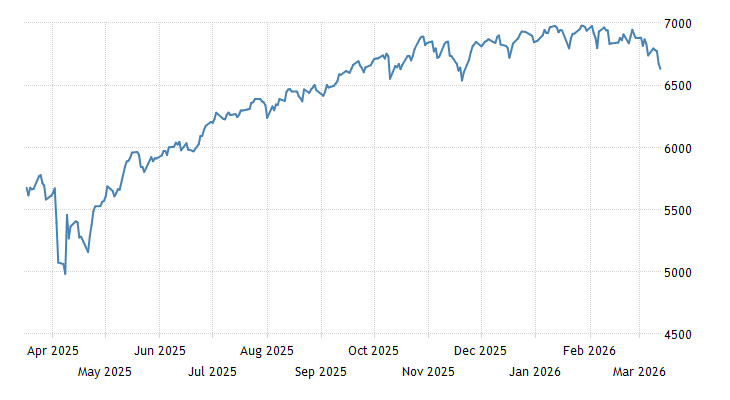
As oil declined from its highest prices and remained stable, the worldwide markets are rebounding significantly. European market indexes have reversed some of the nearly 6% declines of the prior week primarily due to the drop in the price of oil below the $100 per barrel level and a slowing of the volatility index (VIX). Positive stock futures, a renewed focus on the Federal Reserve's response to the economic slump, and the major stock market index (S&P 500) in the United States all showed signs of recovery after falling below their lows for the year.
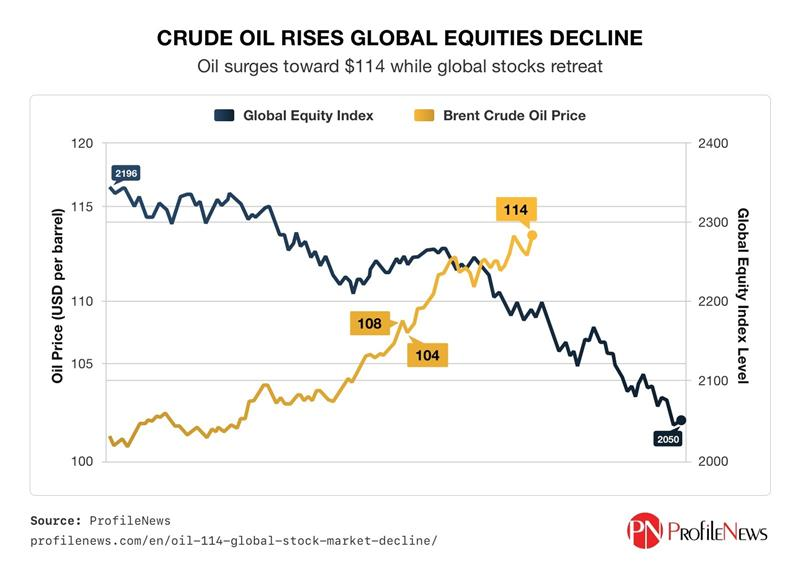
The sentiment in the market shifted from 'Energy shock = end of cycle' to 'Higher rates(temporarily) but not to extremes.' Markets are now predicting less aggressive rate cuts by central banks but are not viewing the high price of oil/energy as forcing them into a tightening cycle. That's a big change in market psychology.
India’s Relief Rally: Crude Cools, Sentiment Heals
For India, stabilising oil prices helps with macroeconomic recovery as well as being a story related to the stock market. The previous sell-off, caused by rising oil prices together with heavy Foreign Portfolio Investor outflows, resulted in the Sensex and Nifty breaking their series of losses in one day by almost 1%. On the same day, Brent crude oil settled almost $90 to $100, this resulted in the rise of approximately 640 and 230 points for the Sensex and Nifty, respectively. This rebound was led by auto manufacturers, consumer companies, and public sector banks.
The mechanics are simple; each $10 decline in crude oil results in less pressure on India's current account deficit, fixing the exchange rate and fixing the price of fuel. This will improve the margin visibility for those industries that are sensitive to fuel prices including automobile manufacturers and airlines, paint manufacturers, cement manufacturers, fast moving consumer goods distributors and logistics companies used for e-commerce delivery. Interestingly, upstream companies (exploration and production companies) such as Oil and Natural Gas Corporation were negatively impacted on these rebound days because a decline in crude price results in lower revenues when they sell their crude oil.
What “Steady Oil” Really Buys Us
A rise to previous levels would be more than just returning to old level, it is actually taking the volatility from one area of commodity or equity pricing for another. Currently, intraday volatility with crude will:
- Create fewer margin calls or liquidations for all commodities/equities
- Reduce fears of a short run inflation spike leading to rising yields in bonds.
- Create greater ability of central banks to continue to communicate “wait and see” instead of using emergency measures.
How a Business‑Aware Investor Should Read This
The lesson for Indian consumers and businesses is that the price of oil is now recovering (breathering) from the fall brought on by the COVID-19-related decline in demand; we have not yet reached the bottom. The crisis that created the rise in the price of oil is still ongoing, and shipping via Hormuz is still at risk from headlines being published online.
- If you are running a company, now is the time to take advantage of this recovery by:
- Locking in fuel or freight contracts, wherever feasible, at favorable terms
- Examining your pricing capabilities/pressures within your sector based on “crude staying above $90-$100”
- Preparing your cash flow forecasts for volatility if the geopolitical situation continues to decline.
If you're an investor, this rebound should be an ideal time for improving the quality of your portfolio through companies such as domestic companies, automobile manufacturer(s) and select financial institutions that would benefit from stabilized oil prices.
In summary, even though we've seen economic recovery, with oil prices stabilizing or rising, the ongoing effects of COVID-19 are still present. This makes it crucial for India to understand how to best use this recovery period. The way India approaches this, including policies, corporate strategies, and investment choices, will determine whether the next economic challenge is a minor setback or a major crisis
Latest Posts