

Marine Ecosystem Collapse How Ocean Deoxygenation Threatens Global Fisheries
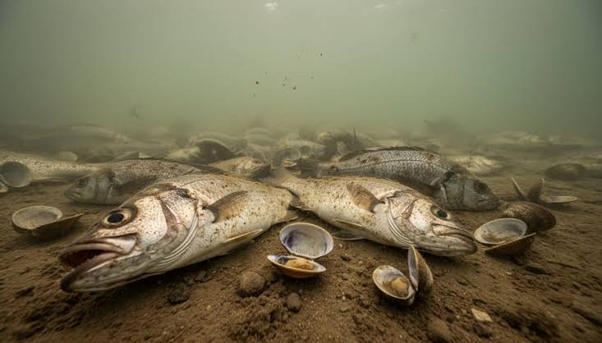
What Ocean Deoxygenation Actually Is?
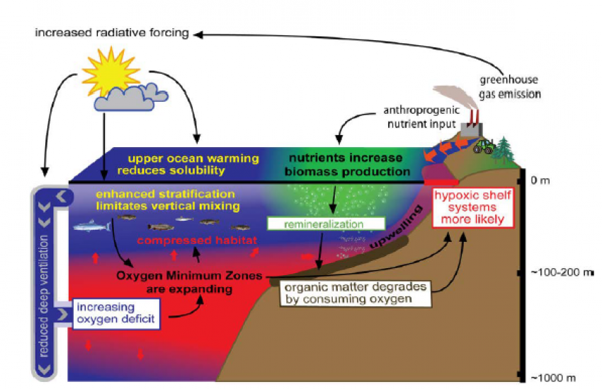
Oxygen enters seawater mainly at the surface, through contact with the atmosphere and phytoplankton photosynthesis, then spreads to deeper water through circulation and mixing. When that process slows or gets overwhelmed, oxygen-poor zones form and expand.
Scientists track two related trends: a gradual, global decline in overall ocean oxygen content, and the more dramatic expansion of oxygen minimum zones (OMZs) — naturally low-oxygen layers at mid-ocean depths that have grown both wider and more severe. In parts of the Pacific, OMZ volume has expanded by roughly 7% over recent decades, with oxygen concentrations in some regions dropping by as much as half.
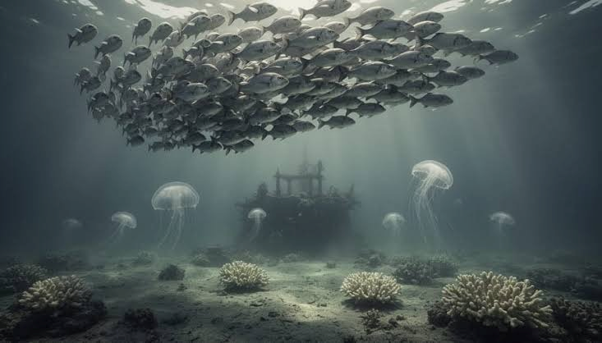
Why the Ocean Is Losing Oxygen
It's a combination of physics and human activity pushing in the same direction. Warmer water holds less oxygen. As sea surface temperatures rise, water's capacity to hold dissolved gas drops. Warmer surface water is also less dense, so it "floats" on cooler water instead of mixing down — cutting off the resupply route to deeper layers.
Slower circulation makes it worse. Warming is altering large-scale ocean currents, meaning oxygen-rich surface water takes longer to reach depth, if it gets there at all.
Nutrient pollution accelerates coastal dead zones. Fertilizer runoff, sewage, and agricultural waste feed massive algal blooms. When those blooms die and decompose, the bacteria breaking them down consume huge amounts of oxygen — the mechanism behind the Gulf of Mexico dead zone, which some years grows to roughly the size of New Jersey.
Dead Zones: From Rare to Routine
In the 1960s, scientists had documented around 45 hypoxic dead zones worldwide. That's climbed to several hundred confirmed sites, with researchers estimating the true global total may approach a thousand once smaller coastal systems are counted.
Dead zones cluster near dense human populations and farmland — the U.S. Gulf Coast, the Baltic Sea, and parts of coastal China and Europe are among the worst affected, with the Baltic Sea hosting the world's largest human-caused dead zone. Once established, dead zones tend to expand rather than recover, even when nutrient pollution is partially addressed.
How Fish Actually Respond
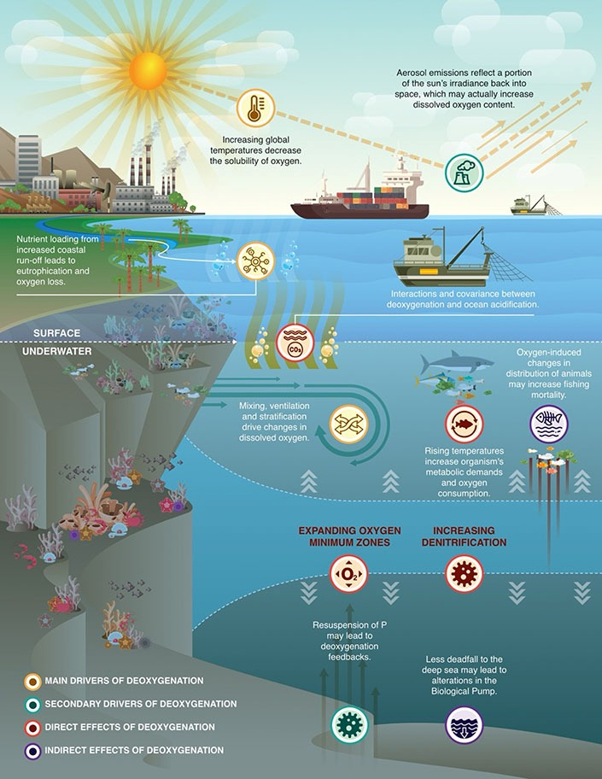
Fish need dissolved oxygen to breathe, and tolerance varies enormously by species. When oxygen drops below a species' threshold, animals actively flee if they can — which is the detail that connects deoxygenation directly to fisheries.
As low-oxygen zones expand, many pelagic species get squeezed into a narrower band of oxygenated surface water. Blue sharks in the eastern tropical Atlantic's oxygen minimum zones, for instance, have been documented diving to shallower maximum depths as deeper water becomes uninhabitable. That's a survival adaptation, but it also concentrates them where surface fishing fleets can target them more easily — researchers found longline fishing intensity was measurably higher directly above these zones.
This is a nasty feedback loop: the fish under the most environmental stress are also the ones facing intensified fishing pressure in whatever oxygenated habitat remains. There's also a documented shift toward smaller-bodied fish dominating ecosystems as large-bodied species struggle under sustained low-oxygen stress, changing both catch volume and catch composition.
The Fisheries Squeeze in Practice
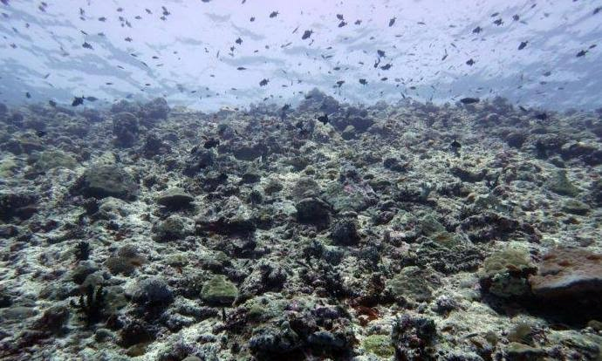
Crab fishermen off the U.S. Pacific coast have reported lower catches alongside more dead crabs pulled up in their pots — consistent with periodic low-oxygen intrusions into shallower coastal waters. Multiple fisheries report fish moving higher in the water column than historical norms, which scientists link to fish avoiding oxygen-depleted layers below.
A 2026 U.S. fisheries report noted that changing ocean conditions — deoxygenation alongside acidification and warming — are pushing species like flounder, salmon, and shrimp into new ranges or triggering population declines. These aren't future risks; they're already reshaping where boats need to travel and what they find when they get there.
Economic and Food Security Stakes
The ocean supplies food to more than 500 million people and provides income for roughly 350 million more, many in lower-income coastal nations with fewer resources to adapt. When valuable species relocate or decline, fleets travel farther for smaller catches, processing industries face supply disruption, and communities lose a resource they can't easily replace. Small-scale and subsistence fisheries, with the least capacity to adapt, tend to absorb the worst of it.
Why This Problem Is Hard to Reverse
Once oxygen is lost from a marine system, getting it back is slow and may not fully happen on a human timescale. Research published in 2026 examining aquatic deoxygenation alongside other planetary-scale boundaries concluded that oxygen loss shows limited recovery pathways and long "memory" in affected systems — damage done now can persist long after the original causes are addressed.
What's Being Done
- Worldwide observatories, one of them being the Global Ocean Oxygen Network (GO2NE) under the UN, have kept a record of developments since 2016 and have made it possible to revive the subject of global policies across nations.
- Though nutrient management interventions to eliminate agricultural runoff have had both negative and positive outcomes in some watersheds.
- Changes in fisheries management, including changes in quotas and established protected areas, do not look like hypothetical provisions anymore.
- Climate change mitigation measures still play an important role because warming and stratification are the reasons for what can't be solved with the help of local nutrient management.
- Local coastal dead zones can be more easily affected by pollution as pollutants can be targeted specifically and local measures can be implemented.
Conclusion
Ocean deoxygenation gets a fraction of the attention that acidification or coral bleaching receive, and that's a mistake worth correcting. It's less visually dramatic, but the fisheries impact may be just as consequential — and it's compounding with warming and acidification rather than acting alone. A species pushed into a narrower oxygenated band, in warmer and more acidic water, faces three simultaneous constraints, not one. Fisheries management built around historical population models struggles to keep pace with that kind of shift, and the public conversation hasn't quite caught up either.
FAQs
1. How much oxygen has the ocean lost? Roughly 2% of its total inventory since the mid-20th century, though impact varies sharply by region and depth.
2. What is a dead zone? An area where oxygen drops so low that most marine life can't survive, forcing mobile species to flee and killing off less mobile organisms.
3. How many dead zones exist today? Several hundred confirmed, with estimates suggesting the true number could approach a thousand.
4. Does deoxygenation cause overfishing? Not directly, but it compresses fish into smaller oxygenated habitats, making them easier to catch even as populations are under stress.
5. Can dead zones recover? Sometimes, in coastal systems driven by local runoff. Recovery is far less certain for warming-driven oxygen minimum zones.
Latest Posts