

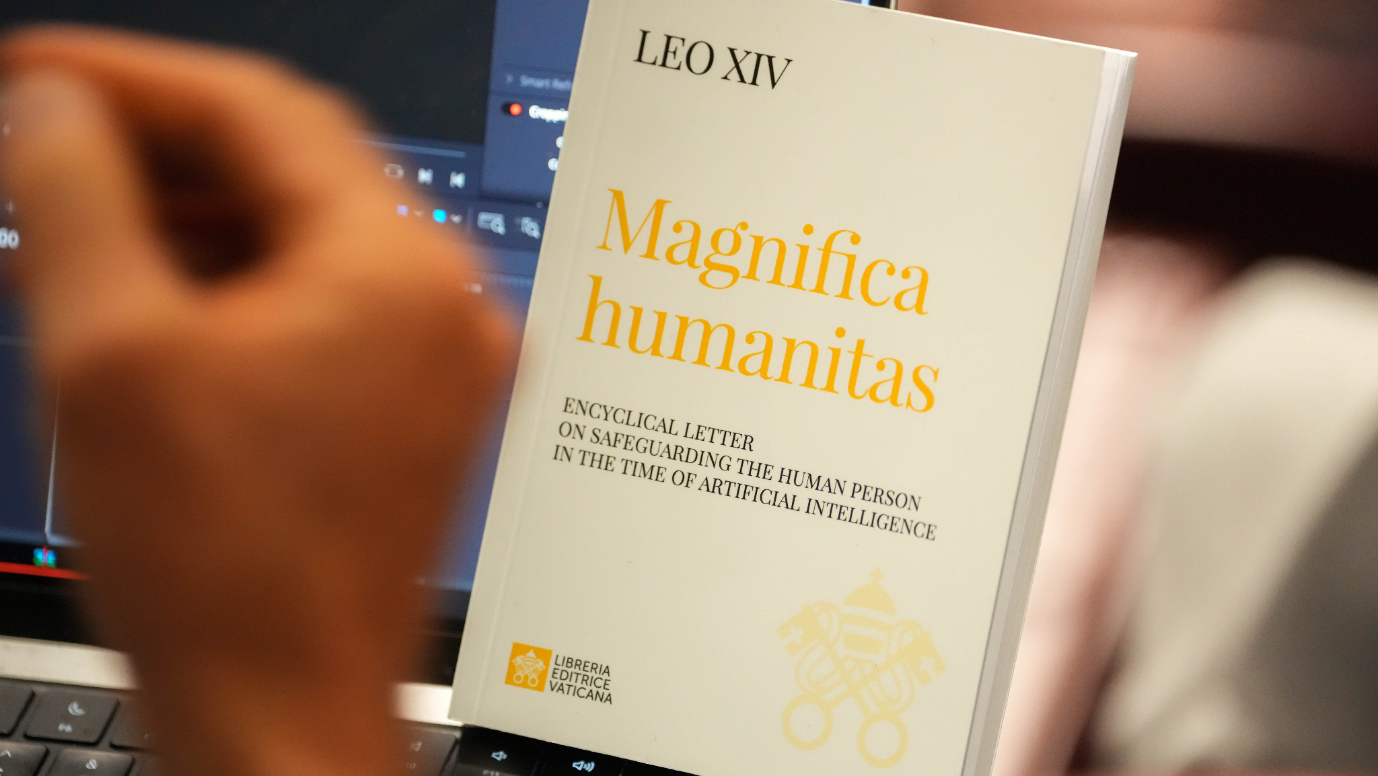
Magnifica Humanitas Pope Leo Issues Landmark First Encyclical Against AI Systems
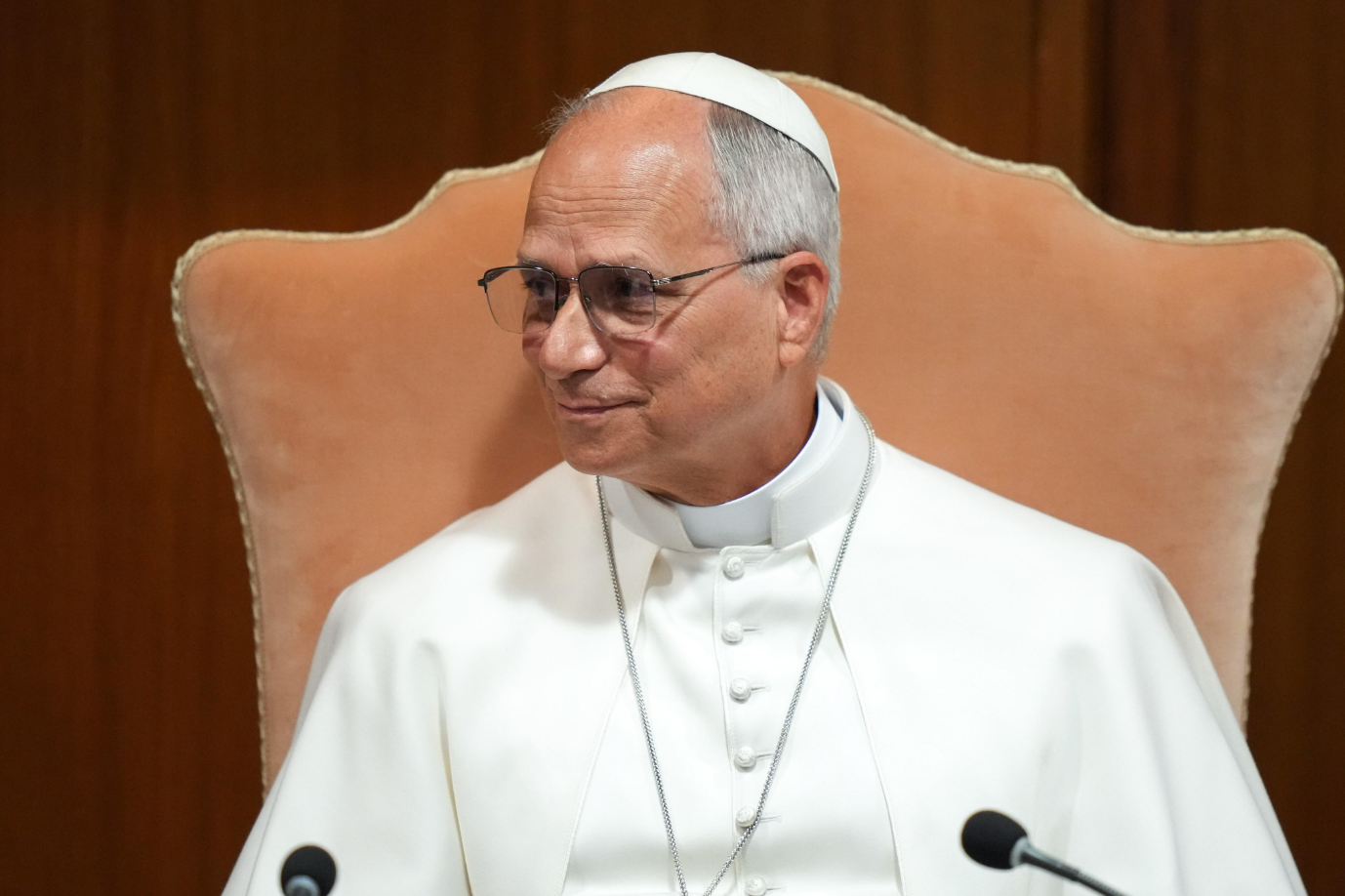
It is addressed to all people and addresses issues of importance related to how AI will develop in the coming years, or decades. The primary message is clear: while developing new technologies is important, it is critical that human dignity, human work, accountability for one’s actions, and moral responsibilities should be considered before creating a new technology such as an AI.
Why this encyclical matters
This is not merely an additional Vatican essay regarding ethics, it is an abject intrusion into one of the most significant commercial and political debates taking place today; and it comes with clear warning...profit-driven (rather than humanity-driven) development of AI technologies, job displacement, deepfakes, and autonomous weaponry.
The encyclical asserts that we should not consider technology as being our enemy; however, we should also not permit technology to replace people simply because of efficiency or growth.
This is a significant framing for businesses because it places a moral emphasis on business decisions that are generally made in technical terms only. AI adoption is frequently marketed based on productivity, scale and margin expansion; this encyclical directs the discussion toward a more difficult question: what is the effect on employees, trust and accountability, when machines increasingly are making decisions for us?
The timing of the encyclical is what adds to its importance. The issue of AI has moved far beyond being a policy debate and far beyond a niche area of research. We are already using AI in recruiting, media, education and finance, and it is starting to affect the way individuals see and understand truth.
Pope Leo’s presence and voice in that discussion is sending a strong message that the moral issues related to AI must not wait for the market to resolve by itself. While that may not slow the pace of innovation, it will apply increased pressure on companies to demonstrate that their technologies are capable as well as equitable, transparent and human-centric.
The human-first argument
The encyclical strongly emphasizes the difference between being an intelligent being and being a person. While AI can replicate the way humans communicate and interact, it cannot undergo experiences, such as experiencing pain or being accountable in the way that people do.
The implications of this distinction are profound. When an organization treats the output of an AI as if it had the same level of accountability that a person would have, it will inevitably make decisions that are efficient on paper but harmful to people in real life.Hiring, customer service, moderation, education, and especially high-stakes situations, such when an error affects someone's life, are some examples.
Work, power, and profit
Pope Leo provides a strong warning regarding the consequences of profit before people and demands government oversight, retraining and improved protections for workers who are threatened by automation from competing companies.
This is specifically directed toward companies and industries that are using automated systems to provide support, content, finance, logistics and provide customer service. In other words, the Vatican states AI regulations should not just be an afterthought, to ensure businesses, as well as society, recognize and manage both private and immediate profit from their use of AI.
War, deepfakes, and accountability
In his encyclical, Pope Leo makes it clear that he is opposed to using AI in warfare. He believes that autonomous weapons, such as drones, pose a serious danger to humanity by removing the decisions of who lives or dies from the responsibility of people.
Another area of critical concern to Pope Leo and the Church is the increasing prevalence of deepfakes and fraudulent manipulation of media and information. In his encyclical, Pope Leo condemns the rampant use of AI-generated false information in politics and the media, which is becoming an even greater threat to the integrity of elections, public faith, and corporate reputation management. Pope Leo's call for increased human oversight is about more than just morality; it's also about risk management, since the speed at which fake content can spread far outpaces the speed at which it can be corrected.
Why business leaders should pay attention
This document reminds companies creating and deploying generative AI that going forward, the marketplace will evaluate products based on a variety of factors, including governance, transparency, social impact on employees, and social legitimacy, in addition to performance. Although helpful in the near term, trust-eroding instruments will bring organizations long-term issues.
The encyclical presents a further indication of a shift in expectations among governments, customers, and employees. Government regulations are tightening; customers are becoming more distrustful; and employees are asking themselves if Artificial Intelligence will help them or take their jobs. Trust will be earned by companies that can provide answers to these questions honestly, rather than through vague descriptions of “innovation.”
A bigger signal for the AI era
What makes Magnifica humanitas truly special is that it does not adopt or reject technology but asks for a different type of ambition whereby human beings are the focus of the system instead of just being a by-product of technology.
This is why the document has a much greater scope than the Church; it is equally a warning, value system and challenge to the technology industry as it relates to the development of AI - no longer are we asking if AI can be developed but whether we should develop AI at all and under what conditions.
Latest Posts