

Lakme Fashion Week 2026 The Tech Infused Runway Trends You Need to Know
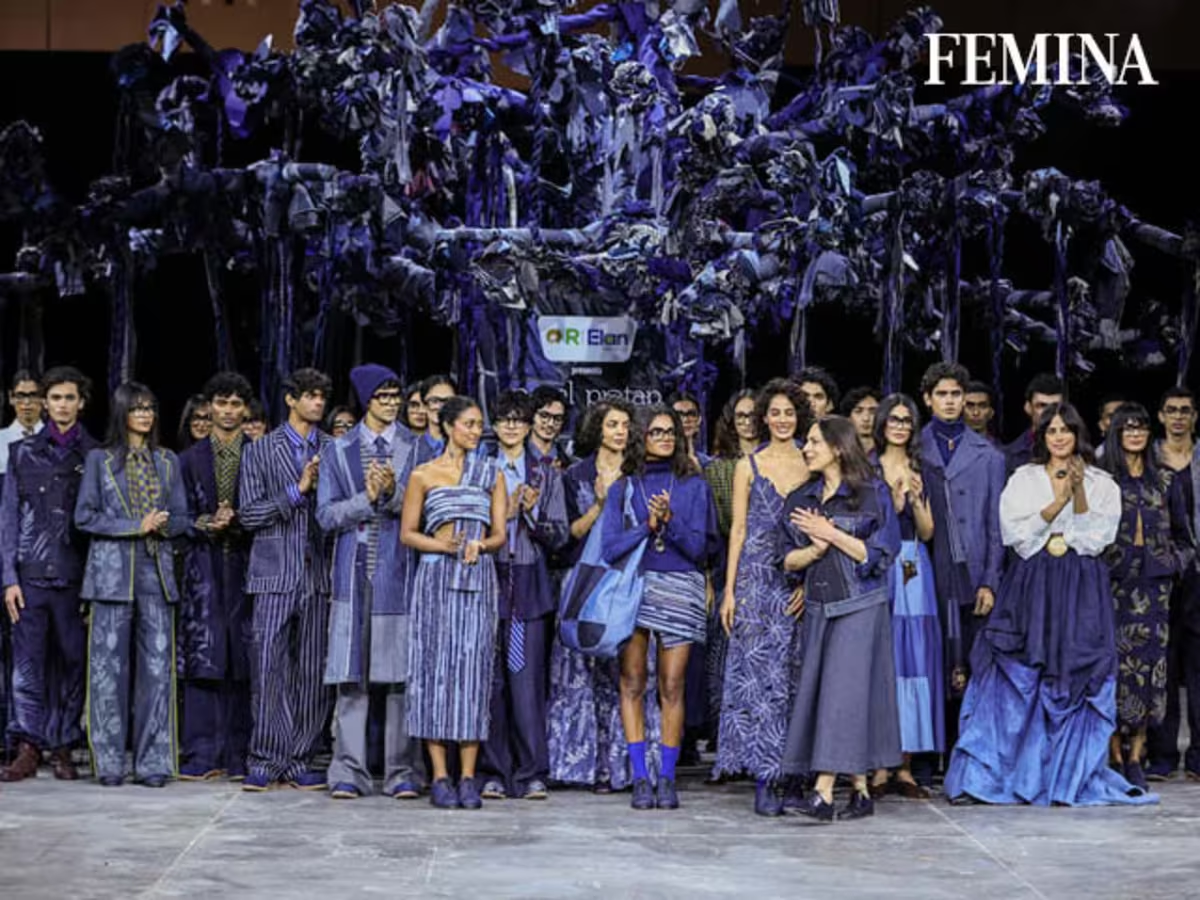
For all of us involved in fashion, beauty, retail and the creator economy, this was not just another season. It provided a very clear message that product, story-telling and technology are now all one. They are merging to form one integrated, continuously operating ecosystem; and Lakmé 2026 provided an unobtrusive outline of what that ecosystem would be.
Smart Glasses, Smarter Content
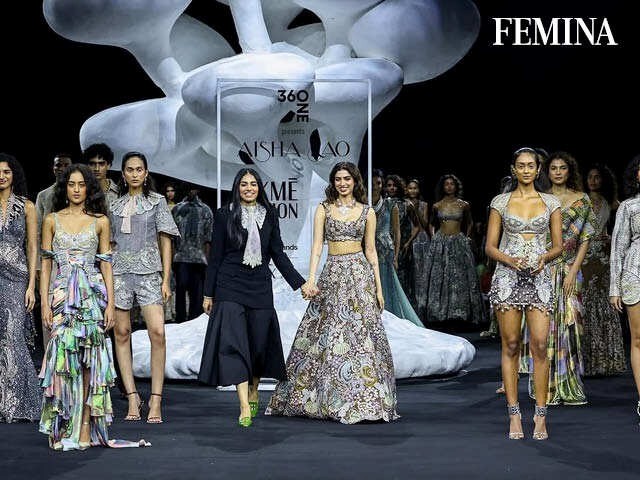
The moment taken at this season's event is not a clothing piece but rather a creator in complete glamour (full face, hands, body) wearing Ray-Ban Meta smart glasses and live-streaming the runway with no hands, it was completely hands-free. No longer is the front row filled with people holding their phones above their heads like a million tiny billboards; instead, it was filled with POVs recorded right from the front row to create a new content studio experience as that experience takes place.
This matters for digital-first brands. The introduction of wearable technology is changing:
- How we capture the fashion (voice-driven and screenless and completely natural).
- How we experience the fashion (takes place in hyper-personalised form, "through my eyes" as opposed to "from the aisle")
If you plan to create content for an event using the same old type of camera crews (standard crews) and editing those videos (by editing those videos), let Lakmé 2026 signal to you (to represent an opportunity) to begin testing creator workflows that incorporate the use of smart glasses, AI-assisted editing and near-instantaneous social sharing as the major components of your workflow.
Phygital As the New Normal
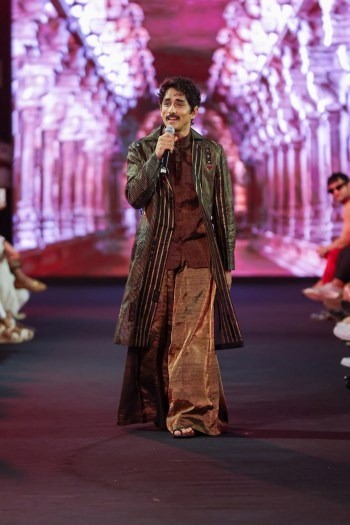
The phrase “phygital” has been used to describe how mobile devices and brick-and-mortar stores interact; however, the technology used at Lakmé Fashion Week 2026 made it feel truly integrated instead of simply used as a gimmick. In addition to their use as traditional runways for an audience that was in the Jio World Convention Centre, they had also been purposefully designed with the knowledge that there would be an even larger audience watching online via phones, tablets, and other digital devices.
The runway presentations are meticulously designed, staged, and choreographed. This careful planning ensures they translate seamlessly into both vertical video formats and the still images captured from the front row. Designers presented pieces that utilized strong shapes, dramatic movement, and highly textured details since they were aware that their work would be filmed and viewed by a large number of people through various digital channels. For sponsors and brands, the equation is simple: a runway show is no longer a one-off event, but is now an ongoing content creation engine that produces multiple different types of content for use in marketing and advertising campaigns.
Tech in the Fabric, Not Just on the Face
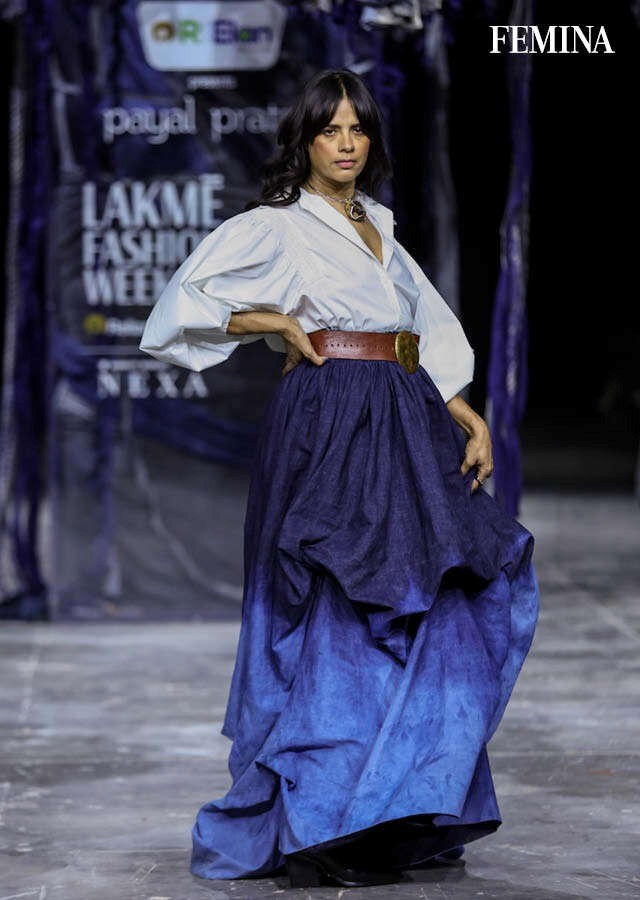
The other far-reaching change was less obvious, yet perhaps a lot more powerful: technology-infused Indian runway collections that incorporate innovation into the clothing. Fabrics developed with features like breathability, stretchiness, and ability to withstand the elements while still looking ready for high fashion. Innovative pattern making, laser cutting and data based sizing give garments a stunning appearance when photographed; yet function, fit and wear like performance wear.
This is where technology and sustainable fashion begin to intersect in unique ways: Companies such as R|Elan producing verified recycled and traceable materials, have been introducing them into the mainstream fashion market as sustainable fashion, this thought process is also seen in the way many young designers approach their work, i.e. less "eco" as an add-on and more "technology and circularity" as a base layer of good design.
Circularity and Next‑Gen Materials Go Mainstage
Another theme found throughout the season was circular design and next-generation materials. Rather than having sustainability as a side panel discussion, it has now laid claim to some of the most important real estates of the runway. Collections that utilize recycled PET, textile waste and lower impact synthetics are being styled with the same energy as high gloss couture.
For the businesses themselves, this is not only an ethical story; it is a risk story too. New regulations on greenwashing are tightening up, global brands are asking more challenging questions about traceability, and consumers are increasingly less tolerant of vague "eco" claims. Designers who have access to verified material ecosystems, who are participating in circular design challenges and who can demonstrate transparency with their supply chains will be the designers that global buyers feel most comfortable scaling.
The Creator–Tech–Brand Triangle
What's interesting about the tech trends at Lakmé Fashion Week 2026 is how the behaviour of creators is evolving at the same time. As smart glasses, AI editing and shoppable social media are removing the barriers between "I saw this look", "I posted this look" and "I purchased this look", that provides an opportunity for marketing and e‑commerce teams to think differently about:
- Attribution (tracking the "from runway moment to creator content to cart")
- Briefs (less about the "make a recap" and more about the "capture your POV journey")
- Collabs (working with tech partners as naturally as they do with stylist or MUA)
The runway shows are no longer just where trends are introduced but also where new models of doing business are being tested out in real-time.
Why This Edition Matters Beyond Fashion
Strip the glam and it’s plain to see; Lakme Fashion Week 2026 is an example of how an emerging market can jump straight to a tech-heavy, content-first future. For Indian brands, this is evidence they can play with wearables, next‑gen materials, and phygital storytelling without being in Paris / New York. Global players are reminded that innovation can come out of Mumbai like it does out of Milan.
If you’re building in fashion, beauty, creator technology, or retail, this season’s runway isn’t just something to watch, it’s something to reverse engineer.
Latest Posts