

Japans Stem Cell Breakthrough and the Global Warning on Climate Inactivity
For anyone involved in business, immediately seeing two such contrasting stories side-by-side tells us we need to take both seriously if we hope to have any long term success with either type of investment; we cannot continue to treat one of these risks more seriously than the other.
Japan’s Stem Cell Leap: Regeneration Becomes Real
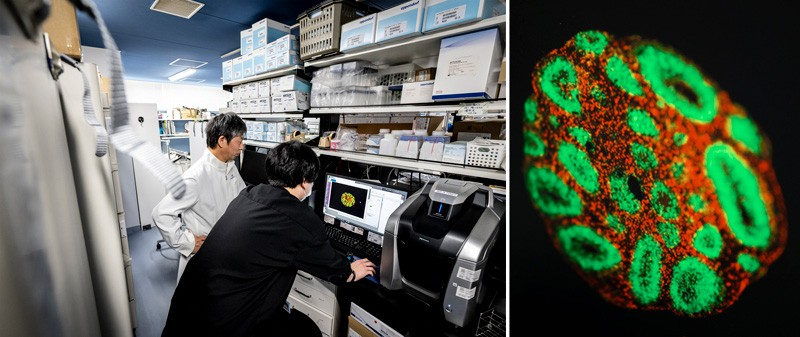
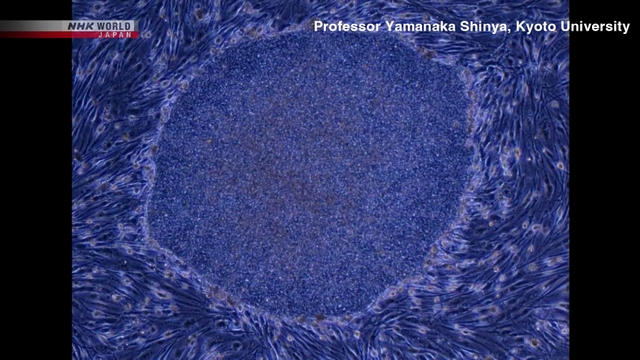
Japan recently became the first country to approve two kinds of regenerative therapies using stem cells: one intended to treat patients with Parkinson’s disease and the other intended to treat patients suffering from advanced heart failure. Both therapies make use of induced pluripotent stem cells (iPSCs), which are adult cells that have been genetically re-programmed into a pluripotent state, to generate dopamine-producing nerve cells in the brain and layers of heart muscle.
Following Shinya Yamanaka's groundbreaking work, iPSC-based treatments are now getting conditional approval in Japan. This is thanks to the "conditional marketing approval" system, which allows patients to access promising new regenerative therapies sooner, even as data on their long-term safety and effectiveness in humans is still being collected. While this marks a major advancement in providing patients with innovative treatment options, regulatory agencies and medical professionals emphasize that these therapies remain largely experimental. The long-term risks of genomic instability and tumor formation linked to iPSC use are still not fully understood.
The amounts of money involved with these treatments are large amounts of money. For example, Parkinson disease affects more than 10 million people globally and presents a market of already $7 billion (USD) dollars on treatment costs, which is estimated to almost double within ten years. Severe heart failure, on the other hand, has very few options (only transplant provides relief). If Japan can prove that these treatments are effective on an overall, widespread basis, it will create an entirely new category of health care.
What This Says About Long‑Horizon Bets
The iPSC saga in Japan is a two-decade long example of the kind of methodical, higher-risk and higher-reward funding decisions made by a country supporting innovative technologies. Beginning with Yamanaka’s foundational science around the middle of the first decade of the 21st century, Japan continued to support labs and start-up businesses with public and private funding throughout the remainder of the 21st century, and has created a new regulatory paradigm for regenerative medicine as well.
What this means for boardrooms is a harsh truth: once we deem that something is important (ex. finding a solution to neurodegeneration in response to an ever-growing population of elderly individuals), we can invest billions into solving that problem regardless of the level of uncertainty, and create an environment where new rules and regulations will foster innovation. Moonshots are not foreign to us.
Now it is time to turn our attention to climate change.
Climate Science Is Just as Clear—Our Action Isn’t
The latest IPCC and UN reports are explicit: human‑driven climate change is already causing “dangerous and widespread disruption,” and current national pledges still point to 2.3–2.5 degrees of warming this century even if fully implemented. The 2025 Emissions Gap Report says global emissions must fall 55 percent by 2035 to keep 1.5 degrees in play; under current policies we’re tracking closer to 2.8 degrees.
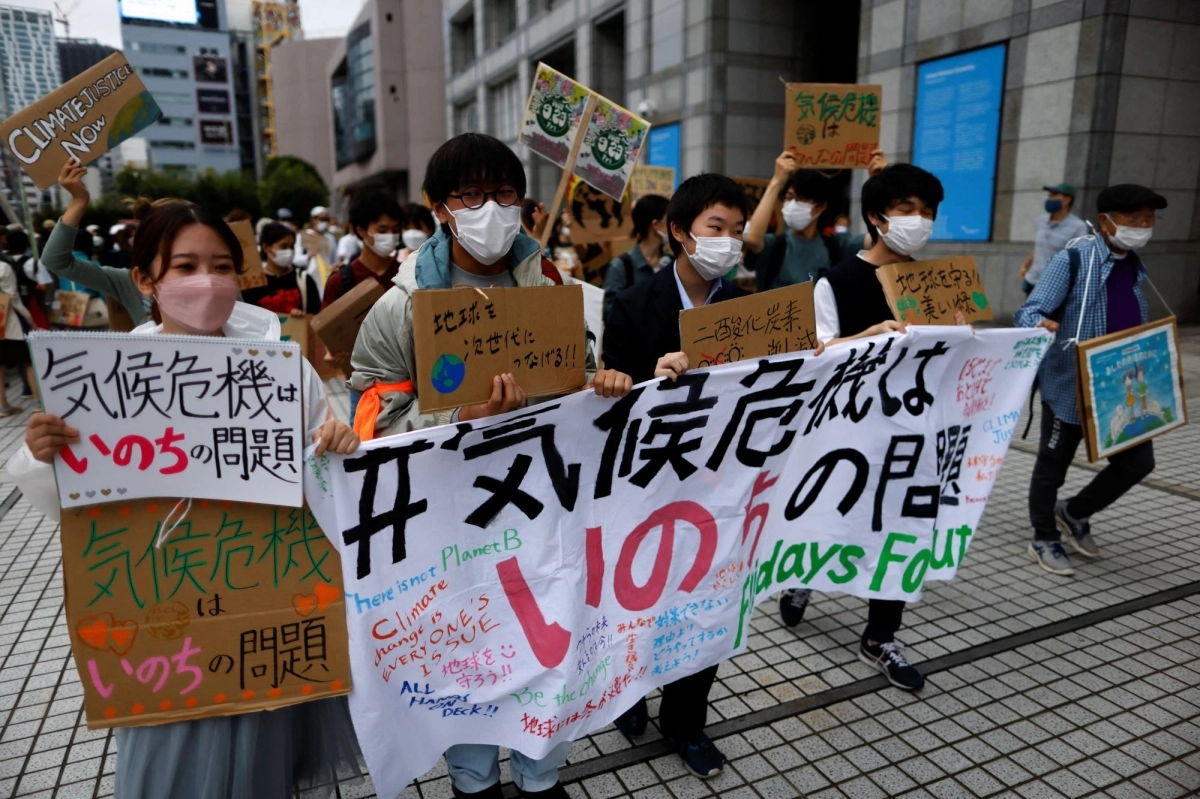
Meanwhile, the World Meteorological Organization’s 2025 climate report documents record greenhouse gas concentrations, the warmest decade on record, the fastest sea‑level rise since satellite measurements began, and irreversible ocean heat and ice‑loss trends on human timeframes. Germanwatch’s Climate Risk Index 2026 goes further, explicitly calling climate impacts a “call to action” and warning that adaptation, loss‑and‑damage finance, and emissions cuts are all lagging dangerously behind what’s needed.
In other words: for climate, the science is at least as robust as the biology behind iPSCs—yet our investment and policy responses look nothing like a coordinated moon‑shot.
Business Risk: You Can’t Out‑Innovate an Unstable Planet
For businesses, climate change has moved beyond just theoretical possibility: it is now a reality. Recent years have recorded unprecedented numbers of displacements from floods, cyclones and droughts resulting in food crises (and multi-billion-dollar losses to economies). According to the IPCC (Intergovernmental Panel on Climate Change), if we exceed 1.5 degrees of warming, climate-resilient development will be very challenging (if not impossible) in many regions until we reach 2 degrees F.
You can contrast the above reality with what Japan has achieved through advances in stem cell research. However, the Japanese healthcare system is currently burdened by external pressures, which are taking a toll.For example, regenerative medicine may allow you to walk again, but there are no ways to rebuild a supply chain that has been wiped out due to heavy rains or to replace an industrial facility that has become uninsurable because of sea level rise.
The Indian POV: Biotech Ambition, Climate Vulnerability
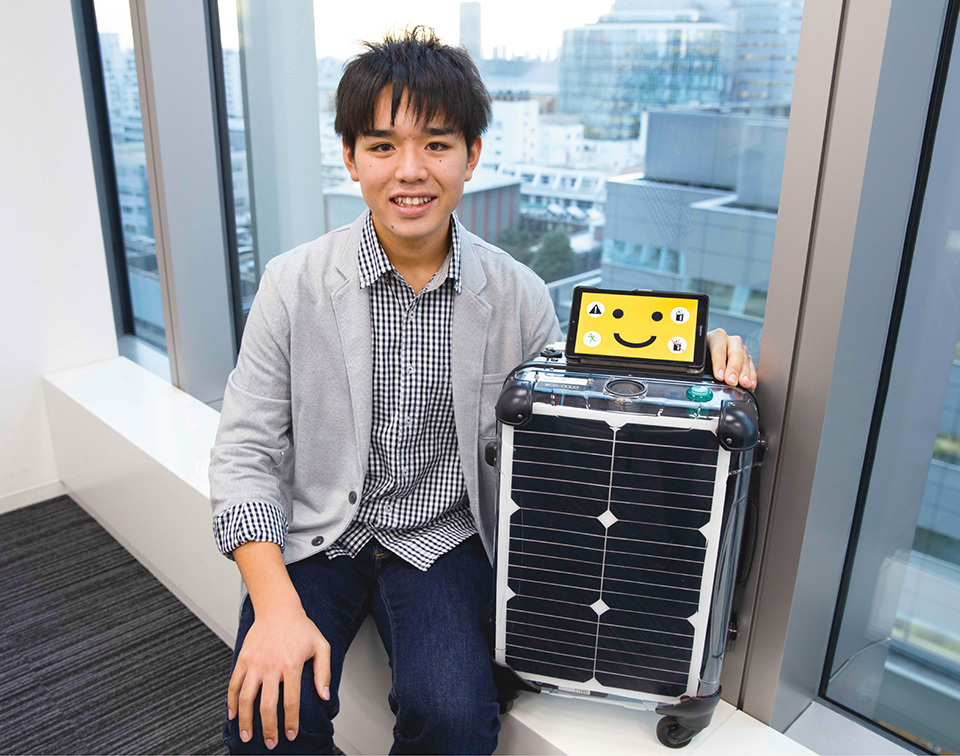
At this intersection, India has a unique opportunity. On one hand, India has highly qualified scientists focused on iPSC regenerative therapies and developing tangible opportunities in contract development, manufacturing (CDMO), and clinical trials as Japan’s proof-of-concept begins to emerge. On the other, India ranks among the most vulnerable countries globally based on the Climate Risk Index, with increasing heat waves, floods, and cyclones, all affecting agrarian, infrastructural, and informal workers proportionately.
India’s business leaders need to treat the climate as Japan treated stem cells: not a line item in their CSR but rather as a core strategy of their organization. This means investing in transition to renewable energy, building climate-resilient infrastructures, developing products that have been adapted to local climates and establishing business plans based on the collection and use of data rather than relying on “future technology” to solve problems.

From Breakthroughs to Baselines
The contrast between Japan’s stem‑cell approvals and the global warning on climate inactivity should land like a boardroom koan: we’re willing to bend biology to extend life, but still hesitant to bend business models and policy to protect the conditions that make life viable.wmo+2
For a digital‑first, business‑aware audience, the takeaway is simple and a bit uncomfortable: celebrate the medical moon‑shot, absolutely—but build your strategy around the slower, harder work of decarbonisation and resilience. One gives you optionality at the individual level. The other decides whether there’s a stable operating environment for any of these breakthroughs to matter.
Latest Posts