

Japan Raids Toyota Headquarters Over Autopilot Glitches
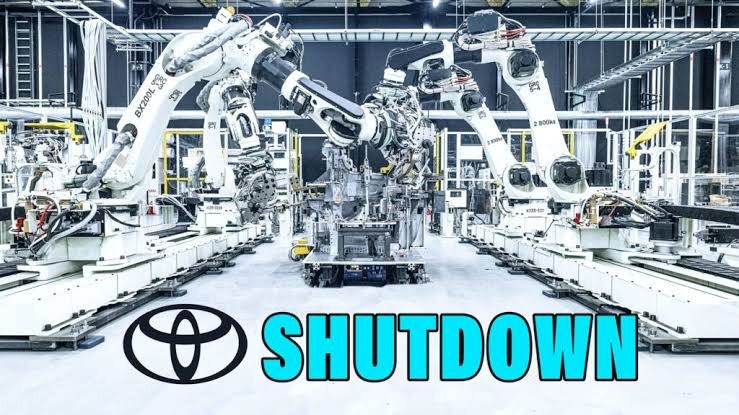
The larger concern for the general public and business-minded individuals is not simply the fact that there was an investigation into Toyota's practices but rather, how this case highlights the increasing disparity between safe, advanced vehicle technology compared to existing regulations governing those technologies.
Why the raid matters
Toyota has been treated differently from a typical small manufacturer who has paperwork type issues. In this case, Toyota is the largest auto manufacturer in the world by sales; therefore, when such a large corporation is subjected to a formal government audit, it creates a loud ripple throughout the entire business sector.
The nature of the audit being conducted by the government involves either incorrect or fabricated safety certification data which is extremely serious in that it affects the very core of trust, compliance with regulations, and credibility of the brand.
The implications of this story extend well beyond just the auto industry. Vehicles are becoming more like software based products; therefore, automatic driving capabilities and all other types of advanced driver assistance systems (ADAS) are all now part of the trust factor as well. If an audit reveals any type of flaw in the testing, reporting, or certification of those products, it creates not only a technology issue, but a reputation and operational issue.
What regulators are looking at?
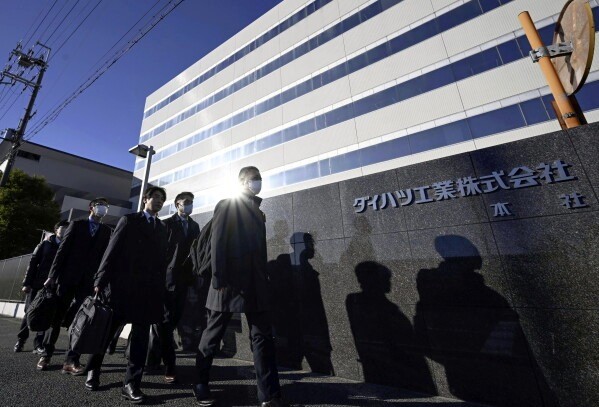
Due to media reports from Japan and other countries, there was an investigation into the safety records of several Toyota models, as the concern focused on the option both in production and no longer in production. Toyota has already confessed that their testing methods differed from the government’s, but this will continue to be evaluated.
Both regulators and Toyota agree regarding the significance of the distinction; however, regulators are not asking if a vehicle works but efforts to justify the certification of a vehicle. As a result, the vehicle approval process is an important tool for keeping product development within lawful safety standards.
Why autopilot glitches change the conversation
Today, autopilot-style functionalities are one of the most obvious selling points of contemporary vehicles, and they create a higher degree of liability if something goes wrong. Because consumers often presume that smart cars have been created with perfect underlying systems, the public assumes that once they are marketed as smart cars, the smart car systems have been developed with flawless, computer-implemented systems.
However, every advanced autopilot feature relies on software, sensors, calibration, and exhaustive testing to be functional in a 'real-world' environment, and therefore, all of these must function together to produce a fully working and integrated vehicle.
As such, automotive safety testing has gone from being a behind the scenes issue to being part of a product’s story - for example, a company may have a long track record of reliability, but if there is red flag in any type of automotive safety data, then all of the advanced features of that vehicle will be put under additional scrutiny.[bbc]
The business impact on Toyota
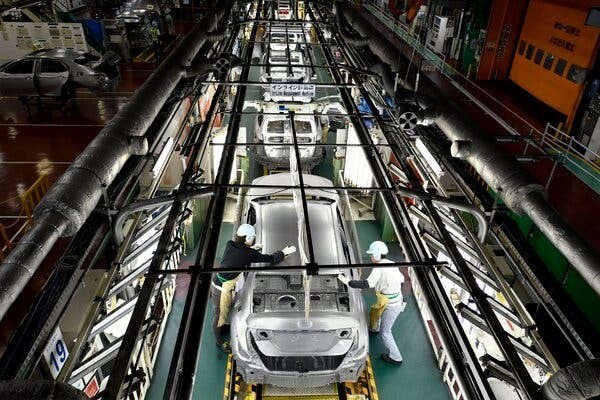
Regulatory pressure is certainly an immediate concern for Toyota, but it does not stop there. With the risk of slower shipments and production reviews, companies find themselves dealing with increased caution from customers and partners. Even with no significant accidents connected to this issue, the real fear for these organizations is the loss of trust.
This comes as automakers are navigating through multiple issues including increased complexity related to software development, moving towards electric vehicles, and increased quality expectations. With a Toyota safety scandal on the books, they are now left to defend not only individual models but also the entire process that they use to deliver vehicles. Companies can take a long time and spend considerable capital rebuilding the image of reliable manufacture.
The broader lesson for the auto industry
Toyota isn't the only automaker facing challenges with the complexity of the modern vehicle certification process. The margin for error is getting smaller as our cars become more autonomous and connected; a problem that was once only considered a minor annoyance now has the potential to cause a great deal of negative public reaction, government intervention, and investor concern.
The lesson for business is that as vehicles become more capable and automated, the requirement for accountability increases. Companies must now tightly integrate the engineering and governance functions. All convenience and automation features must be thoroughly tested, documented and communicated to regulators and consumers.
The raid on Toyota's offices on January 14 is more than a reminder of one company's compliance issues. It demonstrates that in an age of software-defined vehicles, safety is an attribute of a vehicle, but it is also an attribute of an organization – and one that must be continuously proven by the organization.
Latest Posts