

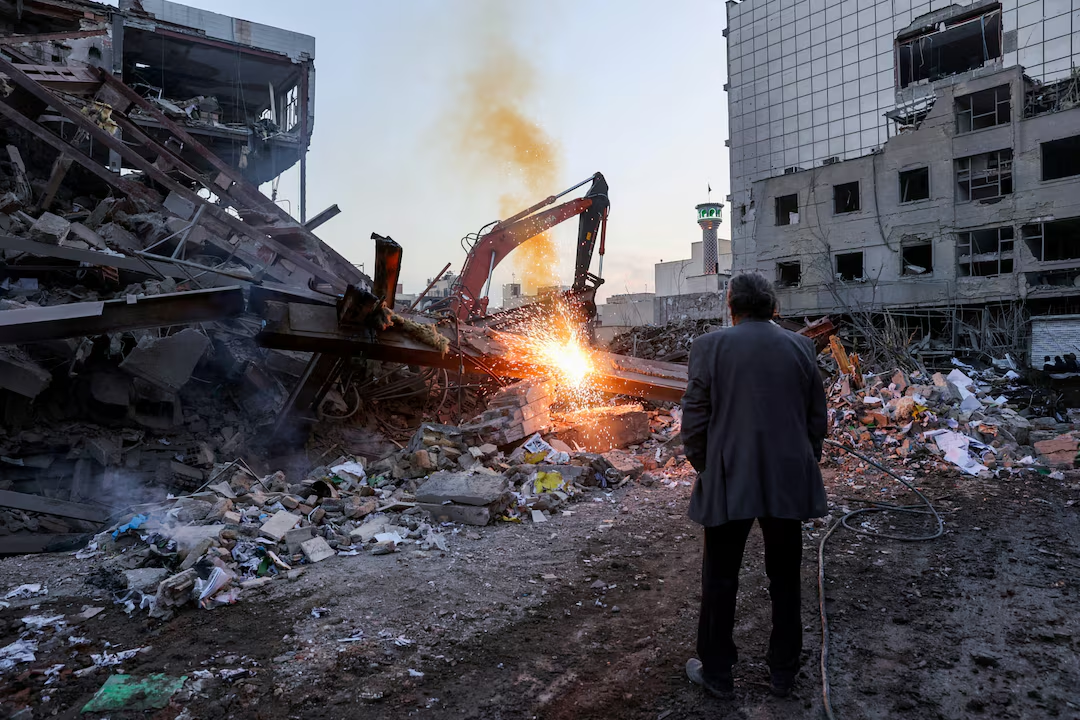
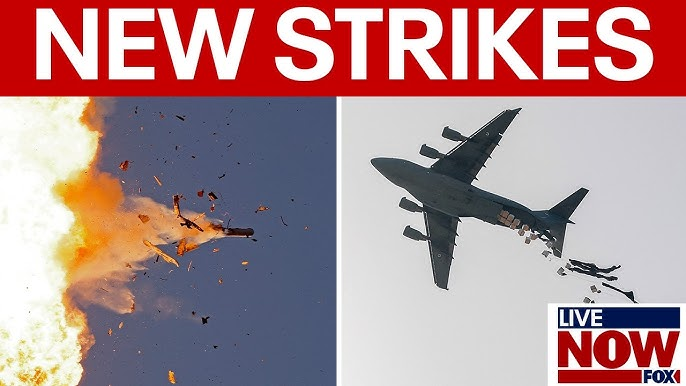
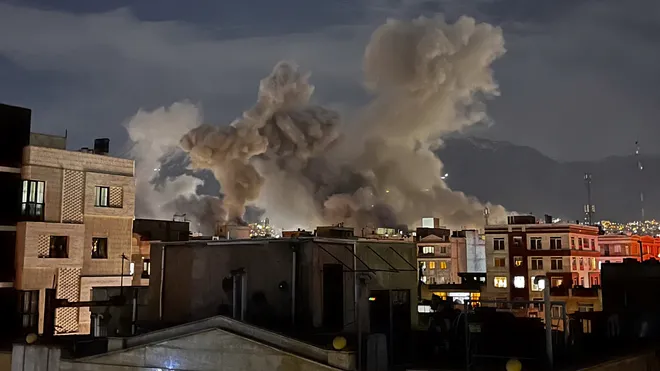
Israel and U.S. Launch New Wave of Strikes on Tehran
What This “New Wave” of Strikes Likely Represents
The well coordinated simultaneous attack at one time or another on Tehran signals both a conscious escalation of the situation rather than just a one-off event. Unlike the previous limited deniable operations, such high visibility forms of action not only serve to signal an Iranian resolve, but also to provide assurance to both the Iranian public and the American public that red lines are being upheld. In addition, with the increased need for political responses from all sides, there will be even greater potential for conflict due to the increased likelihood of a miscalculation on the part of all involved, even though none of the parties desire a regional outbreak of total warfare.
Tehran as a Symbol and Strategic Target
Any attack on sites associated with Tehran has ramifications that extend well beyond the immediate physical damage created by those attacks. Given that the capital serves as the hub of Iran’s political, military and economic system; any type of attack on locations that play an integral role in this infrastructure (be it air defense systems, IRGC stockpiles, or the offices where these entities command their respective operations) sends a signal that the Iranian regime is vulnerable to external aggression.
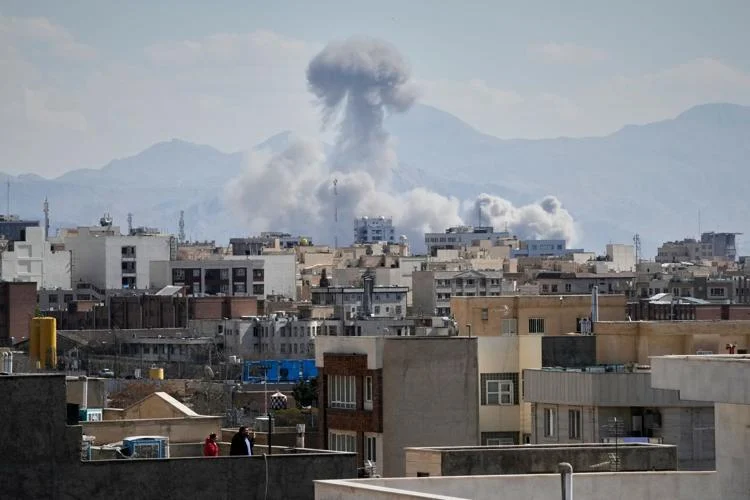
As such, this will raise the overall risk premium assigned to all items linked in any way to the state of Iran including; international oil exports, regional maritime shipping and even negotiations with Iran regarding its nuclear program or the lifting of sanctions on it.
Oil, Hormuz and the Energy Price Question
When the pressure from conflicts in and around Iran rises, traders look to the Strait of Hormuz because it is a critical chokepoint for oil and natural gas traded globally. The Strait of Hormuz is where about 20% of the world’s oil and 25% of liquefied natural gas is transported by ship, therefore, any disruption will cause futures prices to spike. Prior to the latest wave of attacks, markets had not assigned such persistent risk to these types of events. However, now that the latest wave of attacks has happened, refiners, airlines, and logistics companies will likely adjust their baseline prices upward and plan for eventual spikes as the norm.
Shipping, Insurance and Rerouting Costs
Insurance coverage for shipping and route planning are affected by the situation in the Iranian capital. Underwriters take into account perceived risks when determining war risk premiums for vessels travelling through the Gulf or into nearby ports, therefore these premiums can increase significantly when there is a risk that an attack will be made against a vessel. Container shipping companies and bulk carriers will be forced to evaluate different routes to avoid the Gulf, including longer routes around Africa that generally will require more time, fuel, and complicated logistics.
As a result of these routes being more expensive, shippers and owners will suffer from delayed shipments, increased costs at destination, and decreased reliability of their shipping schedules.
Sanctions, Compliance and Financial Plumbing
Heightened military activity nearly always leads to renewed discussions about stricter sanctions and enforcement involving Iranian entities, as well as companies that do business with Iranian entities. Although existing rules may not change immediately, banks and established multinationals tend to take a conservative approach and begin to de-risk their exposure to Iranian entities before any formal action has taken place.
Oftentimes this results in slower payment processing, reduced or no new credit lines, and more compliance checks for companies who may have indirect relationships to Iranian entities or their networks located in neighbouring countries.
The Technology and Cyber Dimension
When it comes to modern conflict with Iran, it generally has a cyber element. This could include attacking critical infrastructure, cyber attacks against shipping systems, or malicious cyber activities against corporations. Additionally, there is now a "new wave" of kinetic strikes against Iran which may give rise to an increased risk of asymmetric responses being conducted by Iranian actors in cyberspace. Therefore, businesses that operate in the energy, logistics, finance, and telecommunications sectors should consider this a warning sign to take measures against potential attacks.
Companies should now be vigilant and increase the frequency of their monitoring; review their backup/disaster recovery plans; and think through the potential impacts of regional instability manifesting itself in areas other than the physical conflict (ex. through hacking or ransomware).
How Businesses Should Read the Risk Curve
The ideal way forward for most businesses is to avoid both complacency and panicking about the risks to their operations in the Middle East, which, from an international trade perspective, may experience greater uncertainty and risk than other regions of the world as a result of events occurring in Tehran.
Businesses that thoughtfully prepare through contingencies, such as alternative supply sources, secondary transportation routes, fuel hedging, insurance coverages, etc., and by maintaining flexible capital deployment options, should fare somewhat better than their less organized competitors who will find themselves in reactive mode, with a delayed entry into the marketplace.
Watching the Next Signals
Over the next few days the following factors will be significant in determining Iran's form of response, the tone of communications emanating from Washington and Jerusalem and any activities near the Strait Of Hormuz or regional military installations. I see a restrained counter-reaction, mainly of a symbolic nature, would support the market’s ability to handle a “contained escalation” narrative while any increasing patterns of attacks against energy and shipping infrastructure would provide more than ample justification to sharply re-price risk and aggressively change business operations.
The current series of airstrikes on Tehran show us that geopolitical risk doesn’t simply exist as an abstract slide on a boardroom table; it exists as a living variable with the potential to rapidly alter cost structures and strategic options in a matter of days. The organisations that take this time to update their assumptions, not simply their news headlines, will be the ones best positioned to navigate through whatever happens.
Latest Posts