

Iran Negotiates to Move World Cup Games to Mexico
What Iran Is Asking For – And Why
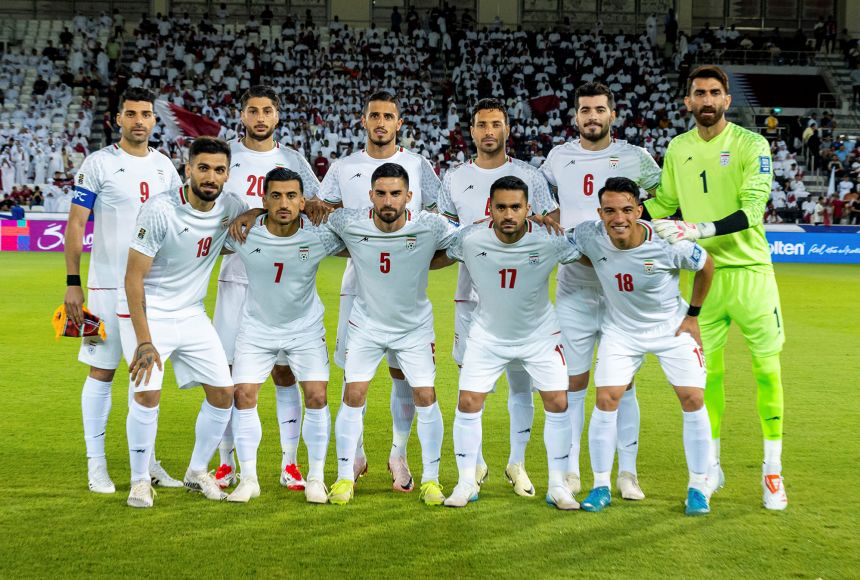
Currently, scheduled to play their group stage matches on U.S. soil—including games in the greater Los Angeles area and Seattle—Iran has found itself in a unique situation following the U.S.-Israeli air strikes on Iran that killed both its long-time Supreme Leader and other senior officials. As a result, the Iranian Minister of Sports has raised questions publicly about whether the Iranian national soccer team could participate safely in the U.S.
The final straw for Iran occurred when President Trump commented that although he had no objection to the Iranian soccer team's coming to compete in the United States, he questioned whether it would be "appropriate" due to the safety and well-being of these players. In response, the President of the Football Federation of Iran, Mehdi Taj stated that Iran "absolutely" would not be going to America, and they are working on a deal with FIFA to allow them to use co-hosting partner Mexico as their location for staging their World Cup match, with the Iranian Embassy in Mexico reiterating that position via their X news platform.
FIFA’s 2026 Headache
At first glance, Iran's request to transfer their World Cup 2026 matches to Mexico seems straightforward - it's the same tournament, but in a different country. However, attempting to relocate World Cup 2026 Iran games from the US to Mexico now that kick-off is imminent presents unprecedented challenges. Courting enough stadiums, tickets, hotels, television broadcast partners, and football security operations for matches in Inglewood and Seattle have been completed months ago.
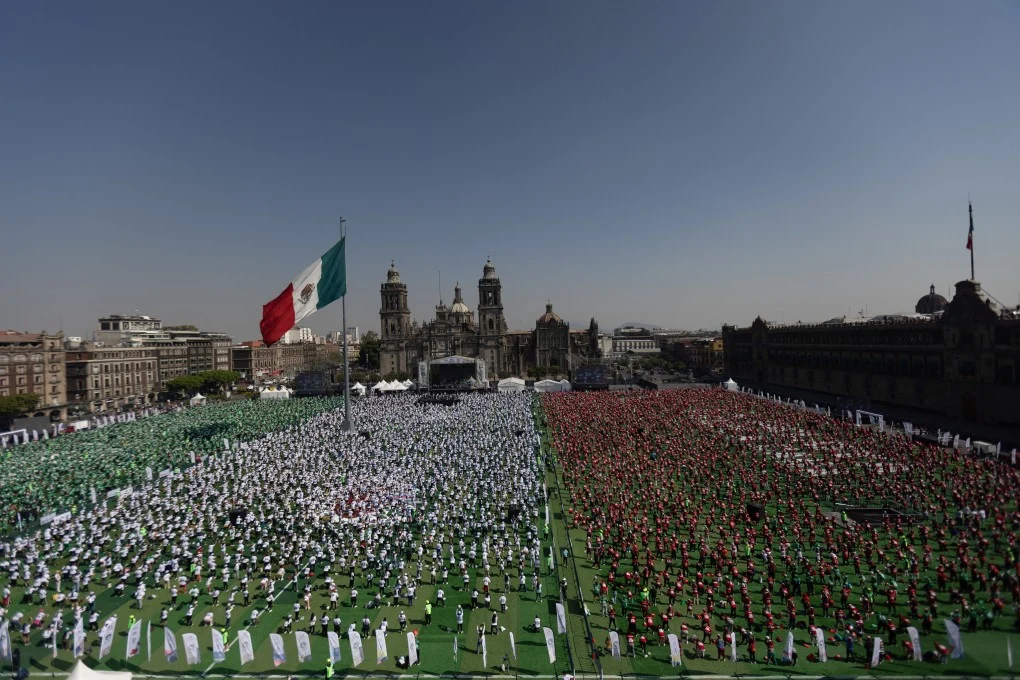
Additional high-stakes Iran matches added to the existing 13 matches planned (across 3 cities, including Mexico City, which hosts the first match) is not an easy task.
A wide range of adverse consequences may also be seen in areas including police presence on match day, travel for fans across the border, and the seeding of later-round brackets if Iran is able to advance through the tournament.
The reputation of FIFA is also at stake; FIFA has maintained that host nations must guarantee the safety of all qualified teams. By agreeing to Iran's request, FIFA is acknowledging that the US has not provided or will not provide a guarantee of safety for Iran's matches, which could lead to Iran withdrawing from the tournament due to intense political pressure at home.
Business and Broadcast Implications
This is not just about moving venues; it is also about moving marketing rights. Corporate sponsors who are supporting the politically related Iranian team on West Coast games with their payments for promotional activities will lose that visibility on the local California and Washington marketplaces and, in many cases, on the travelled marketing investment of celebrating the events after travelling to those markets. Many local markets in California and Washington may not see potential income from the travelling fans while Mexican markets could have logistical issues regarding the time frame required to get the infrastructure/housing in place.
Broadcast and streaming TV networks, especially if they are looking for a large Middle Eastern and diaspora audience to purchase advertising for the US time zone games, will have to retrain their production footprint, logistics for their crews, and advertising pricing models. Just by changing the kick-off time by a small amount or changing the number of people in a stadium can have an effect on the pricing models for inventory available for advertising and how long a user stays on a digital platform.
The Indian POV: Fans, Rights, and Risk
Despite being able to view the Iranian World Cup matches in Mexico on their screens, Indian viewers and businesses will have a very different framing of this event than from prior competitions. For 2026, Indian broadcasters who have purchased subcontinental rights to these events will engage viewers through a high-drama narrative surrounding this already politically charged event.
Travel operators selling World Cup travel packages for Indians in the USA may find their demand shifting to Mexico based on factors like cost, visa processing, and freedom from the travelling public. Brands with significant exposure to the Gulf region or to the Iranian diaspora, such as fintech, remittance services, and general consumer goods in Dubai/Doha, will monitor this situation closely since all news coverage about the way Iran is treated will influence regional perceptions and consumer behaviour.
From India's perspective, as a future World Cup bidder, they will watch any action that FIFA takes to address the safety issues surrounding Iran closely; this will be an important reference point for future tournament hosts from countries that share a similarly complicated political environment.
What to Watch Next
For this story about the Iran-Israel negotiations taking place with FIFA, there are three indicators that will be of significance to a digital-first business-oriented audience. They will follow how FIFA will publicly recognize that it has entered into an official negotiation with Iran and whether it will agree to allow game venues to be developed through negotiations (e.g., allowing games to be played at venues located within both the USA and Mexico). Additionally, they will track how sponsors react to any human and civil rights or discriminatory narratives that may come to light.
At the centre of this is the question of where we draw the line between political and sports issues. By moving game venues from the USA to Mexico, Iran is demonstrating to the world that there is no line to be drawn between the two (political and sports). Both federations (football governing bodies), brand sponsors, and fans will have to manoeuvre through this nation of conflict as it evolves.
Latest Posts