

India Enters the Era of Genomics with AI Diagnostic Tools

The Power Duo: Genomics and AI
Genomics identifies how a person's worldwide sequence could affect him or her genetically. AI helps make that information useful by processing large amounts of data from all over the world at once, allowing healthcare authorities to utilize the genetic sequence to give actionable care quickly. In the case of managing tuberculosis (TB), an epidemic that's affecting 27% of all worldwide TB's in India, the use of AI to confirm a TB patient's drug resistance could take only a matter of hours as opposed to weeks. Thus, enabling the healthcare provider to provide a more precise therapy to the patient almost from their first visit with the provider.
The Genome India Project is an example of how genomics and AI can work together. The project collects and maps the genomes of 10,000 individuals from 220 different populations across the country, so AI can be better able to learn from the diversity of Indians. Therefore, using AI to predict the risk for cancers, heart disease, and diabetes and the relationship between genetics and disease (particularly those of a rare nature, that affect approximately 70 million in India) will allow doctors to provide care to those genetics-related disease patients sooner, as AI will help develop more identifiable genetic markers and help identify those patients who are likely to develop those diseases early on in their lives.
Government Initiatives Lighting the Path
The Indian government through its Department of Biotechnology (DBT) is focusing on building out its innovation ecosystem based on genomics. The DBT genomics cores in Kalyani and Hyderabad are providing High-throughput screening (HTS) as well as AI analysis.
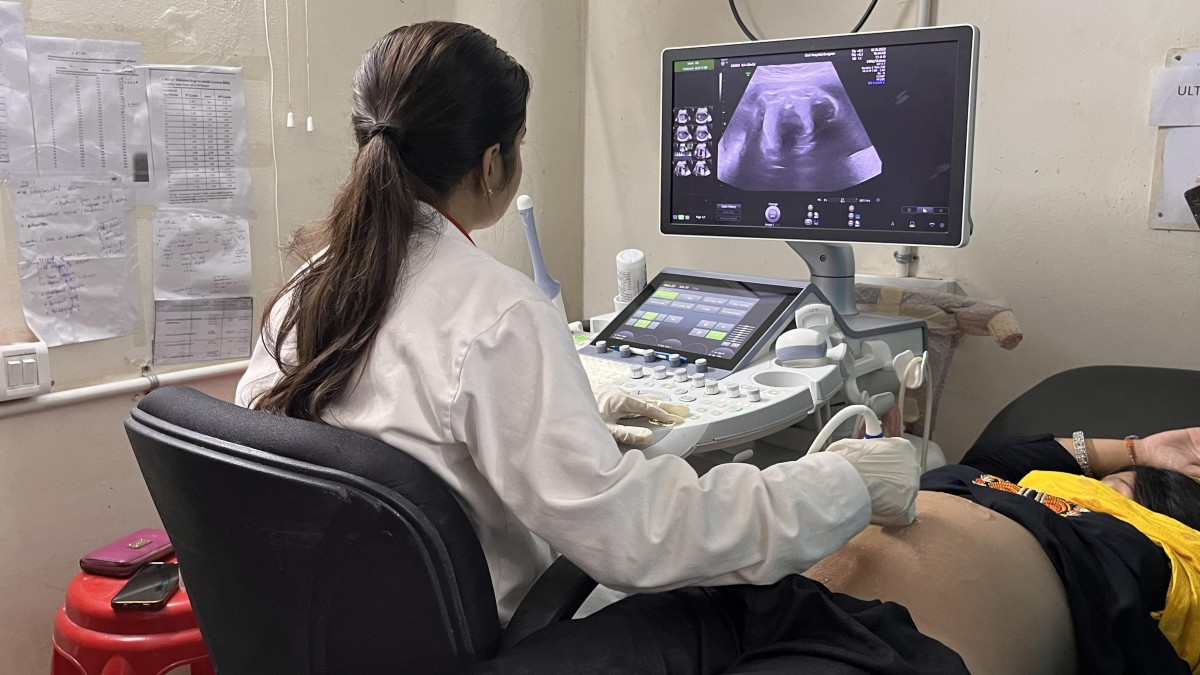
As an example, the GARBH-Ini program uses AI-based ultrasound and genomics to predict which pregnant women are likely to have children born prematurely. This is important since there are about 3 million premature babies born each year in India.
By 2026, there will be Bio-AI Mulankur hubs that will provide closed-loop systems wherein predictions made using AI will be validated by laboratory experiments for applications in diagnostics drug development, and even digitized Ayurvedic medicine. The National Digital Health Mission (NDHM) will be a key part of the overall ecosystem since it will facilitate the sharing of data from these hubs to remote clinics using cloud technology.
Next-generation sequencing (NGS) is now available for about ₹1,000 (approximately US$13) per genome, making it economically feasible to do at scale.
Market Momentum and Business Wins
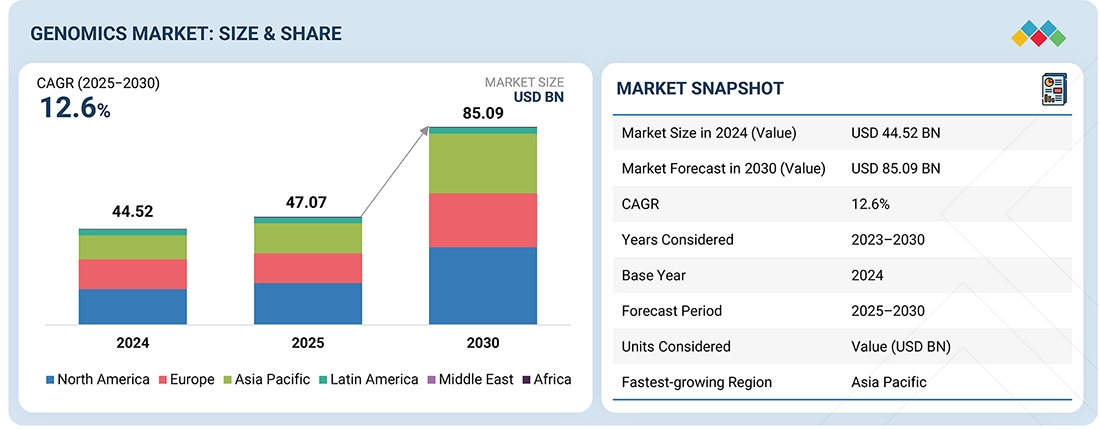
- The genomics industry is currently worth $500 million and is projected to grow at a 25% compound annual growth rate (CAGR) to reach $2.5 billion by 2030.
- Companies like MedGenome have sequenced over one million genomes, while artificial intelligence (AI) companies predict how patients will respond to treatment with the goal of decreasing the failure rate of drug trials by 20%.
- There has been a reported increase in the rate of accuracy of diagnosis, i.e. of 30% and a 25% decrease in the duration of hours/days to receive results from laboratories.
- Businesses that have employee wellness programs that incorporate genomic information have resulted in increase of employee productivity and lower insurance claims.
- The implementation of precision oncology has shown a reduction in the treatment cost of cancer of about 15-20%, especially through the use of targeted therapy interventions.
Tackling Real-World Barriers
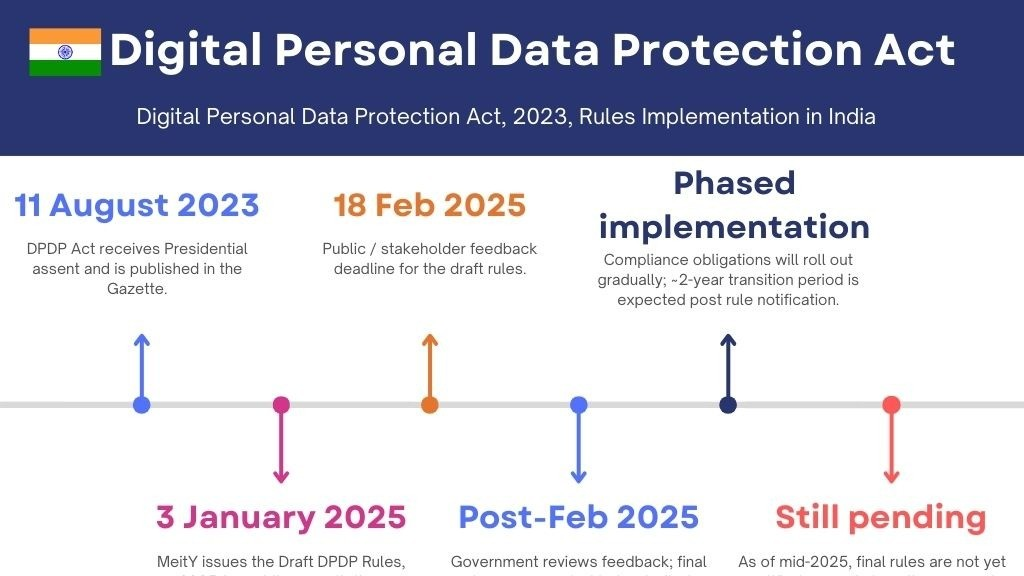
Current challenges include: needing stronger safeguards around data privacy under DPDP Act, lagging rural penetration at 15%, and a shortage of bioinformaticians that require scaling; public-private partnerships will train 50,000 professionals by 2030; federated learning will allow for sharing models without exposing raw data; and cloud-based solutions (e.g., AWS HealthLake) will help to create scalable access to health information and services.
Positioning India Globally
India's ethnic diversity makes it a genomics powerhouse for South Asia, offering genetic datasets that many Western cohorts simply cannot match. Hyderabad and Bengaluru now export NGS services and bioinformatics support to Africa and Southeast Asia. They are quietly becoming preferred partners for their cost-effective and high-quality analysis.
As global pharma and medtech players search for diverse trial populations, India’s genomic data becomes strategically invaluable rather than just “large-scale.” ESG investors are pouring in, backing platforms that combine access, affordability, and equity, with many funds now targeting a $10 billion ecosystem value by decade's end as regulatory clarity improves and clinical validation deepens.
Strategic Plays
In order to develop genomics synergies within your existing portfolio you should consider partnering with DBT pilots, co-developing an AI tool with Indian research institutes or licensing local algorithms built for South Asian populations, thereby maximizing the use of genomic data for precision-driven health outcomes.
In addition, pilot precision health programs using HR benefits and genomic risk scores will provide you with quicker returns on your investment through the use of genomics as part of your preventive care program, which will also help lower your overall healthcare costs long term.
Complying with the Data Protection and Data Privacy (DPDP) legislation is essential for you to take advantage of export markets and work across borders with minimal regulatory obstacles. You should also look beyond only creating stand-alone products, and focus on platform-based solutions such as APIs for genomic data and insights, cloud-based native data pipelines, and embedded decision support for hospitals and payors to build into their systems.
Latest Posts