

Harry Potter 2026 The Loss of Signal Casting Strategy
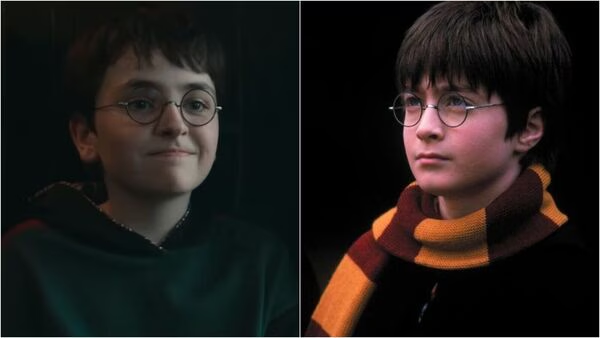
Instead of focusing on nostalgia and the existing legacy, HBO is creating an environment in which they can foster and encourage controlled controversy as part of the rollout of the first Harry Potter film in 2026. The network's use of an unconventional rollout also includes creating a new, "premium" way of presenting the films that appeal to the studio's core demographic.
Why Casting Became the Story
All the emotions surrounding a franchise make the task of casting much bigger than just that: the process becomes a statement about faithfulness to canon, reinvention of character(s) and what age group or generation the new Harry Potter will appeal to. This is part of why the intensity of recent reactions to the Harry Potter reboot has been so high; fans evaluate both the acting choices, but also the overall approach and strategy of casting decisions.
The term "loss of signal" fits this situation well. In a media context, this concept describes when there is no clear signal/message from the audience back to the media on the success/(or failure) of communication. This is exactly what HBO is risking without their reboot of HP and where the studio wants to create a message of prestige, modernity, and creative confidence, but the audience's interpretation of the message is going to be interpreted solely as "you've ruined my childhood"; thus distorting the intended message. In an emotionally based franchise of Harry Potter, even what could have been an intelligent decision might be interpreted as harmful or provocative to fans.
The Business Logic Behind the Noise
From a business perspective, this type of chaos is not spontaneous or unexpected: it follows an established model for streaming content creation - generating enough engagement from the audience so as to dominate the available amount of attention that society allocates toward consuming media over time, allowing the ultimate product produced (i.e. the programme) to persuade by virtue of its own merit and over time, persuading reasons as to why one should subscribe to it or purchase from it (or become an international customer) through the establishment of reliable long-term content-based revenue streams (subscriber fees; merchandising; global branding) beyond the existing customer base (i.e., existing fan base).
Premium Intellectual Property (IP) is relatively expensive and therefore studios and production companies want more than the initial hype surrounding any IP-based creation project; they want long-term sustainability beyond the promotional and initial marketing activities. A re-boot of an existing film that features all new cast members can reach audiences across: multiple seasons; demographic segments; and/or geographic regions (i.e. worldwide). The goal of a film creation studio and production company is not to simply replicate what has already been produced (the existing films); rather, they will strive to package the same universe into a new package that is modern enough to capture new younger viewers while still being relatable to the original/established customer base (i.e., the original adult audience who remember the previous films).

What “Loss of Signal” Actually Means
When a casting studio abandons the idea that likeness is its primary function in casting, and casts with the intent of using resonance instead. This means that casting will be done based on the ability of the performer to convey the emotional structure of the character. It is possible that the performer will not meet all of the established visual criteria based on previous portrayals, as that is not the goal behind the choice.
If the fan base has invested more than 20 years into picturing a character in their minds, any change to their perception of the character will likely feel larger than it actually is. Hence, the studio must achieve two objectives: to demonstrate that the performance is suitable; and to demonstrate that the casting process was conducted with that purpose in mind. If either of those elements is deficient, the fans will fill the void with negativity.
Why This Matters for Streaming and Brand Strategy
The critical question for business-minded consumers is not "Do you like the cast?" but rather "Can HBO turn that attention into trust?" Trust is the real currency here; Attention is easy to generate, difficult to capture in a crowded streaming marketplace. However, when trust is created it compounds.
This is precisely why the rollout of the reboot serves as an insightful example; As contemporary entertainment brands become increasingly willing, and accepting, to absorb negative reaction(s) initially in exchange for a longer-term re-positioning, if the series performs well in terms of executing on performance, building worlds and tone/feel, the initial casting controversy will likely appear to be an isolated incident. Conversely, if the series fails to deliver, the initial backlash will become associated with the overall product.
The Bigger Lesson for IP Owners
In general, legacy brands shouldn’t depend solely on nostalgia as a means of connecting with viewers anymore because they are looking for familiarity as well as evidence that a reboot has an original and distinct approach; this will be true even more so by 2026 when audiences will have much quicker access to questioning tokenism, detecting marketing manipulation, and punishing anything that comes across as creatively unoriginal.
The best studios are adapting their approach to casting by implementing a more thoughtful, interconnected approach to representation, performance, and cultural timing; if done correctly this generates traction for future productions and will create static production if executed poorly.
What Happens Next
Although the outrage cycle is important, the success or failure of this reboot depends more on its execution and whether the acting, writing, and emotional authenticity add up to what the audience can believe in. If it doesn't, then the loss of signal will become the most prominent headline.
Presently, HBO is making a 2026-like decision to allow for the existence of a franchise to develop through the process of allowing the internet to discuss first and to then demonstrate its value by virtue of what will be evaluated through the final product.
Latest Posts