

Google I-O 2026 Samsung and Google Unveil Gentle Monster Intelligent Eyewear
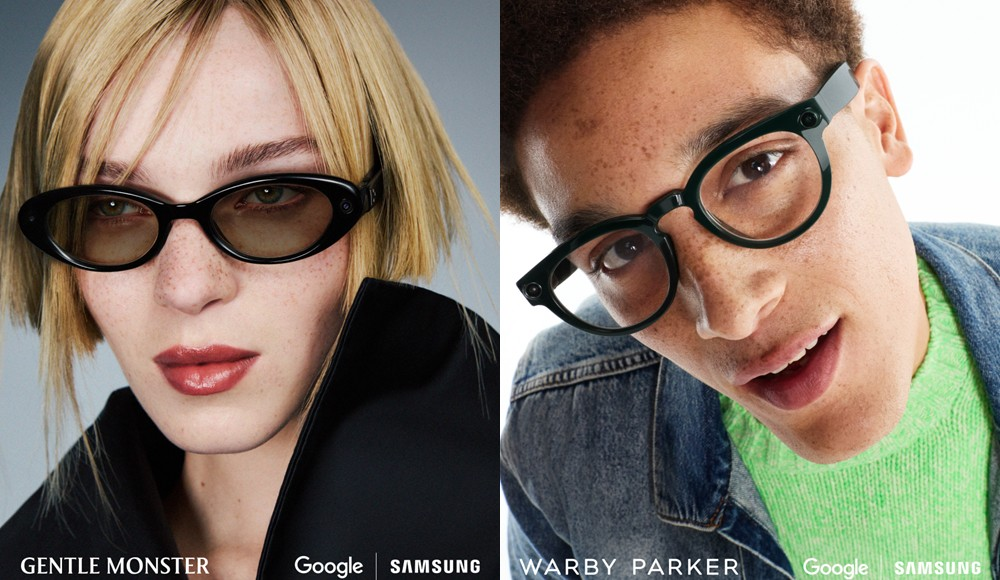
Therefore, smart glasses will soon have the ability to provide wearers with additional experiences once only dreamed of before.
Why this launch matters
The significance of this product announcement is not limited to the hardware itself but also includes a combination of design credibility (Samsung), AI capabilities (Google), and overall usefulness. The way Samsung & Google have positioned glasses as an accessory will enable users to be hands-free and look up towards their surroundings and interact with other devices using voice commands and have access to real-time inbound assistance.
By framing these new GLASSES in such a way, consumers have been exposed to several futuristic gadget demonstrations that feel out of place after using the devices for five minutes, and therefore this product has been properly crafted to address this by leveraging a proven form factor (eyewear) and augmenting the product with additional usable functionality that an average user could use throughout the day.
What the glasses can do
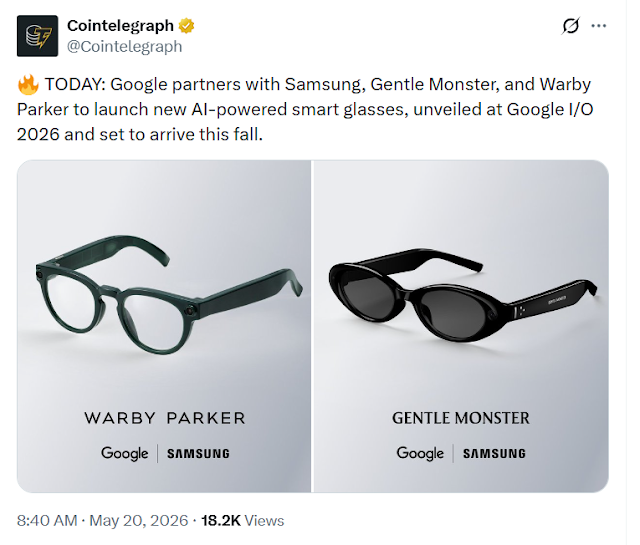
The features of the device group together by category (convenience) rather than by movie-like experience (spectacle). Users will be given access to Gemini by Samsung and Google where they will be able to request directions; receive directionally-based recommendations; receive a summary of notifications occurring beyond reach; create calendar events; convert text from one language to another using real time view; and take photographs viewable from above your eye level.
This is significant because it describes what this category looks like now (not all are AR headsets). The smart glasses themselves are much simpler than traditional AR designs; therefore, these product types are much more applicable to everyday use. The end result is something that businesses will have greater success with and will provide more opportunities than other AR devices.
Design is the product strategy
The Gentle Monster partnership is the strategy's lifeblood. It depends heavily on the style of wearables just as much as it does on the technological dependability of them. If users find them fashionable and available for extended use, then they will be able to utilize them.
What's especially interesting to brands about these new trends is that they represent a significant change in the way consumers expect to interact with companies. In the past, consumers would have been content to have a wearable device (like an electronic watch) that appeared innovative or high-tech when seen in person but would actually only work in some cases or under certain circumstances.
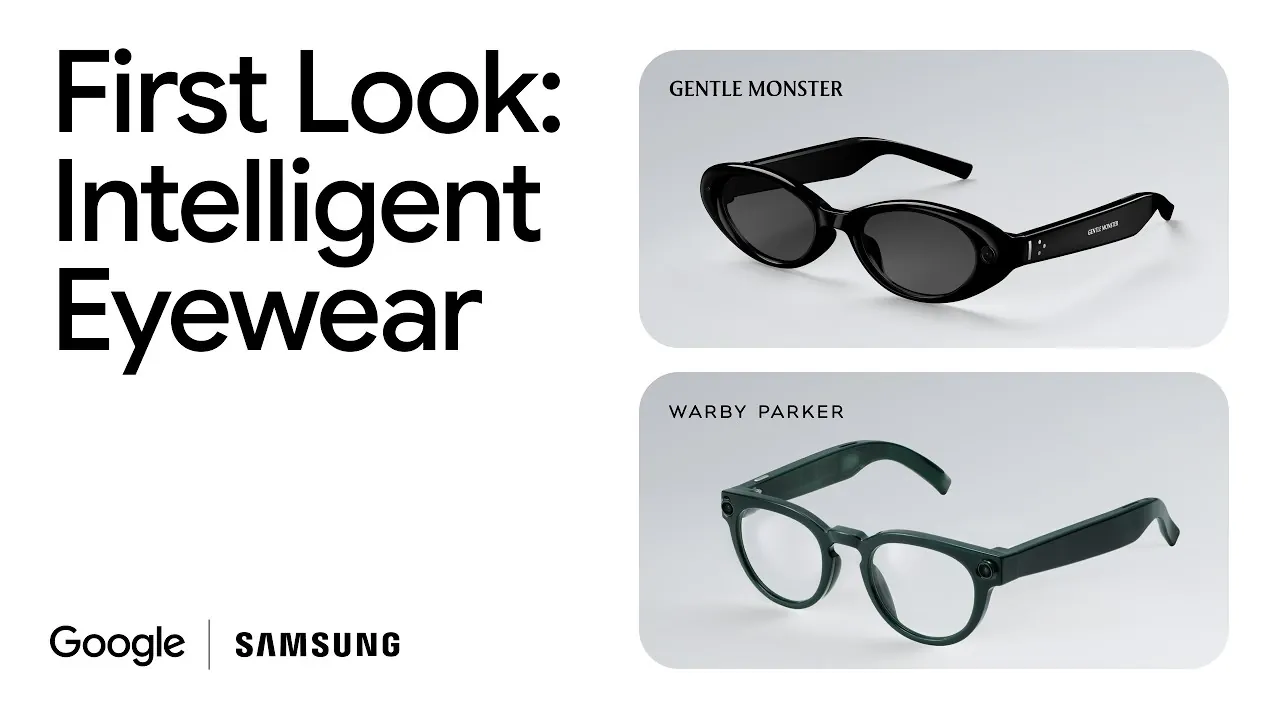
The trend now is to have devices that integrate seamlessly into your daily life without drawing attention to the fact that they are technology. This puts pressure on all areas of product experience: we expect that the design of the frame will be as comfortable as possible, that it will be socially acceptable for us to wear, etc.
If Samsung, and/or Google can make their Smart Glasses feel more like part of the everyday experience rather than something high-tech from the future, they will likely redefine this category and open up many opportunities for greater consumer use.
Samsung and Google are betting that having a stylish pair of eyeglasses (like they did for the wearable itself) will assist consumers who do not view the product as just another technology experiment, but considers it as an intentional purchase decision.
This also adds to our reasoning as to why Warby Parker has been brought into the fold of collaborators involved with this endeavor. The alternate subtext that these companies are sending and are hoping that is properly received is, they are not attempting to only out-engineer other manufacturers. They would like to successfully compete with and offer consumers the same type of lifestyle product that is found in their normal spectacles, sunglasses, or accessory purchases.
The Business Angle
The launch of this product in the marketplace would represent an important sign for the overall wearable technology marketplace. By moving from novelty items into things that people actually use as part of their daily routines and habits means that there is an opportunity for multiple stream revenue across hardware sales, accessory purchases, software services, and creating “locked-in” ecosystems. This is especially important to Google since they have wanted a toehold in “ambient computing,” and to Samsung since they already have the manufacturing ability and established device ecosystem to support this.
There also may be some strategic timing at play here. Consumers are already becoming familiar and comfortable using AI assistants which summarize/translate/recommend; therefore, the addition of those same types of capabilities to a glasses type form factor would result in less “friction,” which is a common killer for product adoption. If the product is lightweight, stylish, and of real use, there may finally be a compelling reason for consumers to be interested in the market.
The real adoption test
Yet, there are still tough questions that will arise. Users will want to know how long the batteries last, what the actual cost is, how private they are, and if it will be a better experience than pulling out a phone; even though these factors may seem insignificant, they represent the difference between a successful product and an expensive demo.
Trust will also have an impact on how well received these devices will be based on the presence of cameras and AI technology in eyewear products will result in some form of data scrutiny as well as social acceptance of those products. Many users may view hands-free intelligent assistance with enthusiasm; however, they will want to know when (or if) their hands-free intelligence device is recording data, how long it is stored, and how much the device may be seen from others in the same room.
In short, Samsung and Google are not simply introducing a new gadget; they are actually testing whether intelligent eyewear products can evolve from being a niche enthusiast product to being a mainstream category. If all aspects of these eyewear devices i.e.; design, usability and ecosystem are proven successful, this will be one of the highest grossing wearable product launches of the year.
Latest Posts