

Global Oil Prices Drop 6% as US-Iran Talks Begin
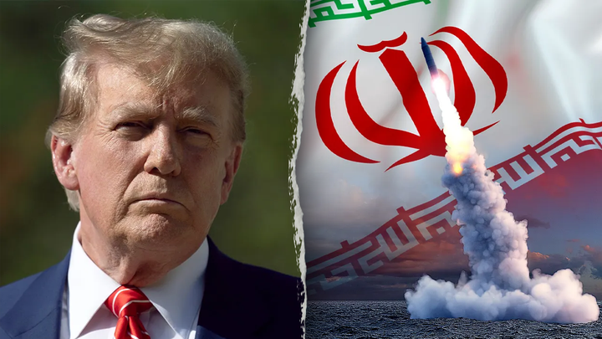
There was no actual confirmation of an agreement, or a signing of one, simply an announcement that translated into a lower possibility of war, and the markets were in full swing.
Crude Oil Prices sharply tumbled on Monday, August 3, following U.S President Trump’s announcement that fresh negotiations with Iran were about to begin from the afternoon, while also putting a hold on the planned US military strike with the hope of reaching a diplomatic deal. West Texas Intermediate (WTI) dropped 6.2% to a trading value of $79.45 a barrel, while Brent Crude Oil fell between 3.5% to 5%, before settling in the low-tomid $80 range. These steep falls in prices marked the sharpest single-day movements of the Oil markets in this year - a stark reminder of just how tightly Crude Oils are tied to the tension and events of one narrow waterway - The Strait Of Hormuz.
Table of Contents
- What Actually Happened On Monday
- The Price Moves, in Detail
- Why This Round of Talks Matters
- What Analysts Are Actually Saying
- What It Means for You
- Conclusion
What Actually Happened On Monday
Donald Trump announced on Sunday that fresh talks with Iran, from the intention of a diplomatic negotiation instead of a force, would begin Monday onwards. "Now what we're doing is we're talking to them in the form of a negotiation," he said, after calling off the strikes scheduled for Iran on Monday. By Monday afternoon, officials from both countries were set to meet with two central issues to be resolved in their agenda - reopening of the Strait Of Hormuz to normal regular traffic before tensions began and restarting broader negotiations over Iran’s Nuclear program.
That announcement was enough for the markets. The mere assertion that talks were scheduled to be held, along with rumored reports that an initial understanding on the strait had been reached, were enough to trigger a sell-off in Crude Oil prices starting from the early Asian trade markets until the U.S Sessions.
The Price Moves, In Detail
Prices on Monday were highly volatile and different exchanges showcased different prices across moments of the day, and thus reported figures may vary based on their source and time. Here’s a brief snapshot of reported figures during the market sessions.
|
Benchmark |
Approximate Price |
Reported Drop |
Source/Timing |
|
WTI Crude |
~$79.45/barrel |
-6.2% |
Monday morning, US session |
|
WTI Crude |
~$77.80/barrel |
-4.5% |
Premarket, per Barclays/Chevron note |
|
Brent Crude |
~$83.81/barrel |
-4.69% |
Sunday night, early Asia trade |
|
Brent Crude |
~$79.30/barrel |
-3.5% |
Monday morning, US session |
|
Indian MCX Crude (Aug delivery) |
Rs 7,601/barrel |
-6.31% |
Monday, hit lower circuit |
The United States Oil Fund (USO), a widely tracked exchange-traded fund, fell more than 6% in premarket trading alone, giving a rough estimate about the shifts and ripples that transpired within the market following Trump’s announcement.
Why This Round Of Talks Matters
The Strait of Hormuz isn’t simply a waterway caught in the middle of diplomatic warfare, it’s the only sea passage connecting the oil-producing Persian Gulf states to open water, and is also responsible for nearly a fifth of global oil supply and consumption. From the very beginning of the conflict between U.S, Israel and Iran from earlier this year, the Strait has experienced multiple bouts of tension and its traffic has been repeatedly disrupted, threatened or constrained by the dangers of Iranian mines and attacks, which led to addition of a premium into oil prices.
Throughout the past few months, we’ve witnessed credible promises of reopening talks and halting military strikes but the past two weeks have witnessed intense tension building in the region. That also accounts for why the announcement matters so much. Without a single actual movement across the Strait or clear agreement, the hope of peaceful talks and a prompt agreement has moved the markets much more than they ideally would on a normal day. What Analysts Believe
The market might’ve reacted freely to the news of the announcement, but the analysts present a more measured analysis than before. Rystad Energy’s chief economist, Claudio Galimberti, has previously addressed the talks in June with an adequate summary : sentiment has clearly improved, but sentiment isn't the same as supply. And that stays strong still, affirming that while the market swings based on headlines, the analysts would only believe when a deal is actually achieved and the strait reopens for free movement.
Even if the officials manage to reach an agreement this morning, it would nearly take multiple weeks to ramp the Middle Eastern Oil wells to their full capacity after weeks of controlled production. And this very gap between Diplomatic Headline promises to the actual adjustments of Oil Field and shopping lanes - is an easy detail to miss in the midst of heavy market movements.
What This Means For You
For most people around the world, this conflict or fluctuation in market prices don't show up in barrels of oil, but a number at the gas pumps. US gap prices had already been reaching their strongest highs for several weeks before the announcement for talks was made official, and while they continue to remain well above pre-conflict levels, there’s hope for the future. It also is a stark reminder that single-day fluctuations in the barrel of crude prices often take time to filter out in retail, and even more time to balance the accumulated costs of the change.
For investors, it’s not just the oil markets making reactions to the announcements. Stock futures also plummeted with the hopes that the reduced Middle East risk and tension could ease inflationary pressures tied to global energy production and costs.
Conclusion
Monday’s announcement can be read and perceived in multiple ways. You could think of it as good news, talks have begun, premium has dissolved for the minute and the markets have rallied. But anyone who has followed these past few months of conflict would know, it’s better to wait as precautionary measures rather than depending on a single day’s movements. Previous agreements have been put to bed while oil tankers kept getting burnt and diplomats remained in conversations about a hopeful future. While Monday’s announcements assures a promise of an agreement that sticks, it would only be seen in the headlines of the days that follow, and the traffic on the Strait in the weeks to come!
Latest Posts