

First Submarine Sinking Since WWII Rocks Indian Ocean
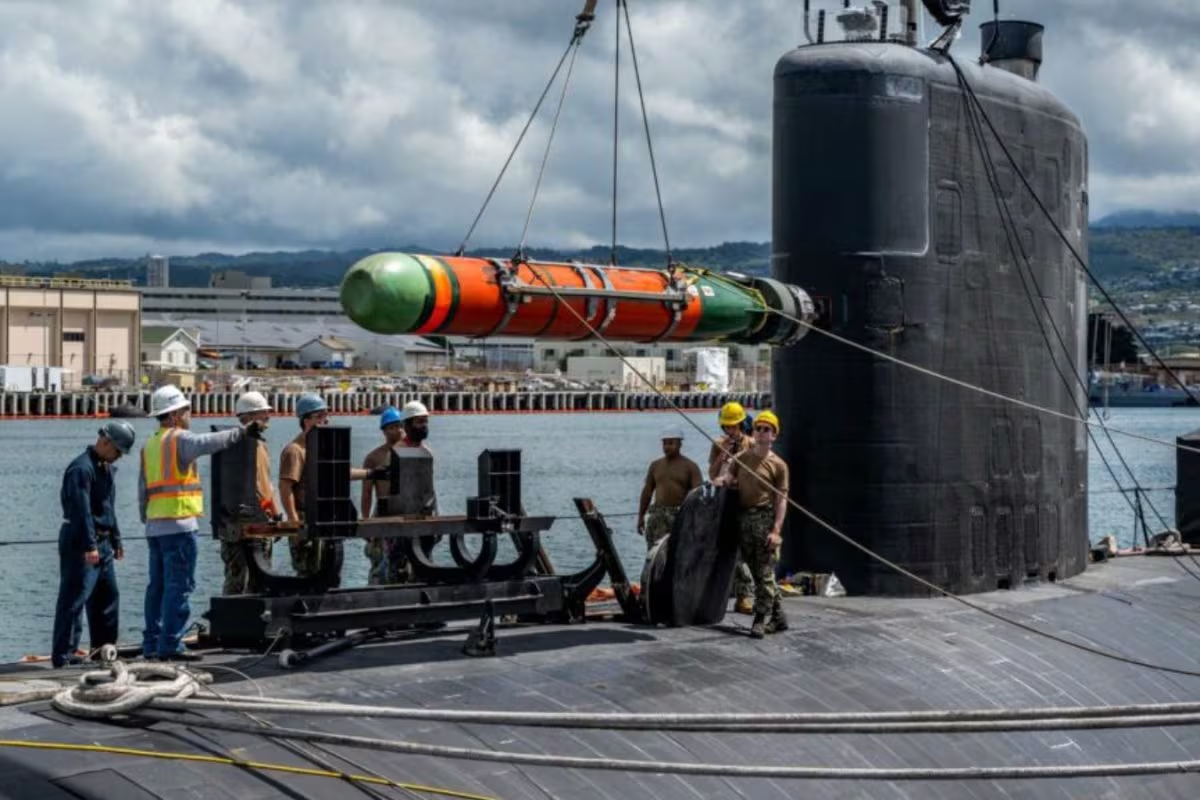
What Happened and Why It Matters
The clash occurred in a bottleneck where 20% of the world's oil and 40% of container traffic flows through to and from Sri Lanka to the Maldives. Submarines don't typically engage unless they had a reason, which implies there was some kind of intent behind attacking this Iranian vessel – testing a response time or indicating displeasure with the lack of freedom of movement. The most worrying issue from a market standpoint is the precedent; ships that move merchandise are now much more susceptible to grey zone conflict.
Indian shipping companies understand this well. Colombo is the point of trans-shipment for about fifteen percent of all cargo shipped to India, and any disruption in movement through Colombo will affect all southern (India) ports in less than 48 hours.
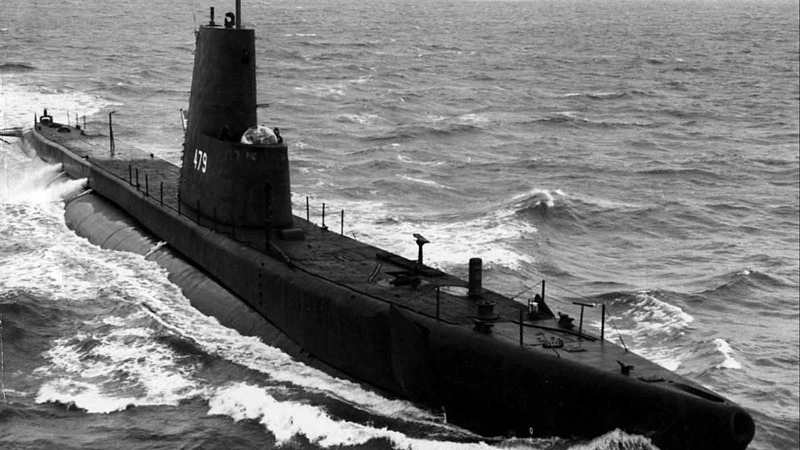
Strategic Waters Turn Risky Overnight
Asia's economic growth is dependent on this corridor transporting goods and energy from the Middle East to Eastern Asia. All commanders of ships are analysing the relationship between the speed of their vessels and the contribution they must make towards insuring against the potential of having to pay for their loss due to the occurrence of war.
As reported by Lloyds, the increased costs associated with war risk premiums for the area have increased by 250%, causing financial strain on all ships, especially those built within the last ten years old.
Impact of India's economy
On SCI routes from Mumbai to Colombo, 18% of shipments have been cancelled; feeder service rates to Sri Lanka have increased by 35%. Electronics and garment exporters are facing an inventory crunch of up to 45 days.
Energy Markets React with Familiar Fury
The Iranian Navy’s presence off the coast of Sri Lanka raises concerns about what may happen again at the Strait of Hormuz. Meanwhile, India imports about 85% of its petroleum product, and any increase in the cost of crude oil by $5 a barrel means there will be an additional cost incurred approximately ₹8,500 crore during each quarter. Additionally, refiners such as Reliance continue to convert/refine to Urals crude from Russia, but there is an added burden imposed by spot price premiums from Saudi Arabia.
Chennai truckers and Coimbatore manufacturers are already seeing internal margin pressure as a result of the rise in diesel costs, which have already reached ₹8 per litre.
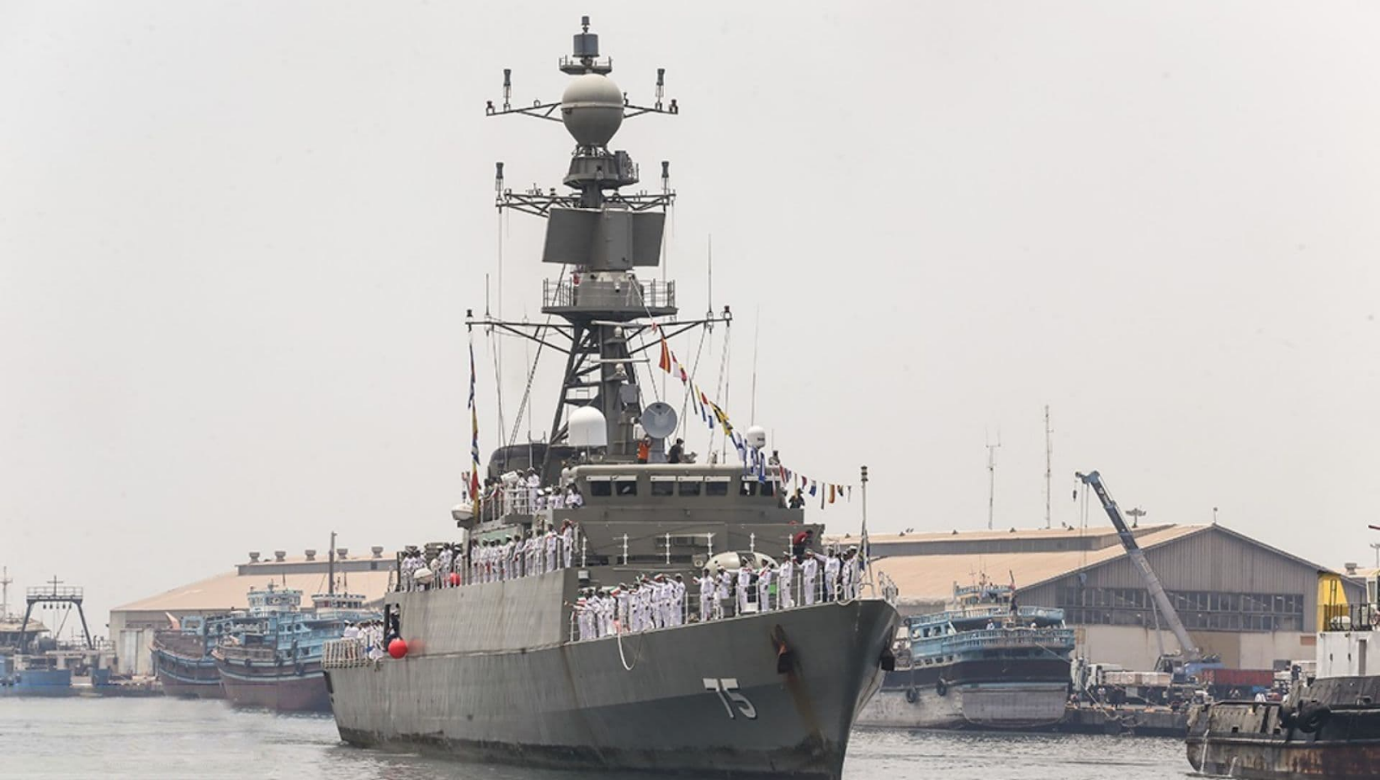
Indian Companies Scramble amid the Chaos
Shipping bosses are putting rerouting procedures into place. Maersk and MSC are extending their European routes by two weeks and $4,200 each container in order to assess circumnavigations of Africa. Due to a 40% foreign ownership that was deemed "force majeure," Adani's West Container Terminal was closed. IndiGo has cancelled 22 flights to Colombo from India.
In Sri Lanka, the impact of this issue is that tourism bookings from India have dropped by 28% and hotels in Colombo did not have any occupancy for the Holi weekend.
Supply Chain Realignments Accelerate
Shipping lines have abandoned the "just in time" concept due to a 25% backlog of incoming containers to Mundra and delays of textiles and electronics heading to MENA from Nhava Sheva, estimated at $300 Million/day. Perishable goods from East Africa are rotting in Colombo warehouses while awaiting customs clearance for added security.
MSME Squeeze: Indian small manufacturers do not have sufficient buffer stock to accommodate the increased landed costs of 10% which has placed significant pressure on their working capital lines.
India's Defense Posture Hardens
India quietly enhances Andaman & Nicobar patrols and accelerates INS Vikrant deployments. Sri Lanka asks for surveillance support, and India offers P-8I flights without committing to providing any warships. FICCI has organized an Indian Ocean working group to conduct scenario planning for 72 hours.
Global Firms Recalibrate Regional Bets
Multinational companies have reevaluated their relationships with India and Sri Lanka. Apparel companies have lost stock in the second quarter; automotive supply chain companies are searching for alternatives to Colombo. The data centers in the region will use cable systems underneath the sea, using the safer path of the Sunda; cybersecurity teams are preparing for potential Iranian responses, such as GPS jamming.
Critical Next 72 Hours
Iran is considering different scenarios, including publicly announcing victory in its state-run media, or using its proxies to attack ships and oil platforms in the region. Traders place a 35% probability of some wider disruption. Indian companies should Purchase forward fuel contracts at current futures prices, cap their currency at 86.2 ($USD) per Indian Rupee, and trigger force majeure on contracts for isolated islands.
The new terminal at JNPT will take 40% of the excess cargo from Colombo as that port loses cargo and Mumbai gains.
This was the first submarine to sink since World War II, now changing the Indian Ocean from a safe corridor into a rapid response area for military conflict. Businesses that see this as just another example of "distant news" will lose any competitive edge over those that have anticipated the shift and have begun to prepare based on future naval intelligence.
Latest Posts