

Father of October 7 Victim Says Israeli State Has Unforgivable Debt to Investigate Attack Failures
The Israeli civilians took to the Tel Aviv square in hundreds to raise this question once again, just how they’ve been doing it week after week for a very long time, and perhaps will continue to be raised until proper accountability is taken up by Israeli officials.
Table of Contents
1. What Was Said, and by Whom
2. The Protest
3. Why There's Still No State Commission
4. The Broader Push for an Inquiry
5. What Investigations Have Happened So Far
6. Timeline
7. Conclusion
What Was Said, and by Whom
Liad Baram, father of Neta Baram, a soldier killed at the Nahal Oz military base during the October 7, 2023 attack while speaking to the demonstrators at Tel Aviv's Habima Square on Saturday, August 22 stated that the Israeli State carries as he called it ‘an unceasing and unforgivable debt to investigate the circumstance and incidents’ that led to catastrophic attack that the state has ever witnessed.
The Nahal Oz military base was amongst the most hardest-hit military positions, within the early hours of the attack on October 7, and its soldiers were either killed or taken hostage from the base. And while time might’ve toned down conversations about the incident, Baram's remarks have once again placed the death of his son and many other soldiers under the public eye while the Israeli government experiences a question looming large ever since the war began - how did the country's military and officials allow an attack to happen and why hasn’t it been investigated and resolved yet!
The Protest
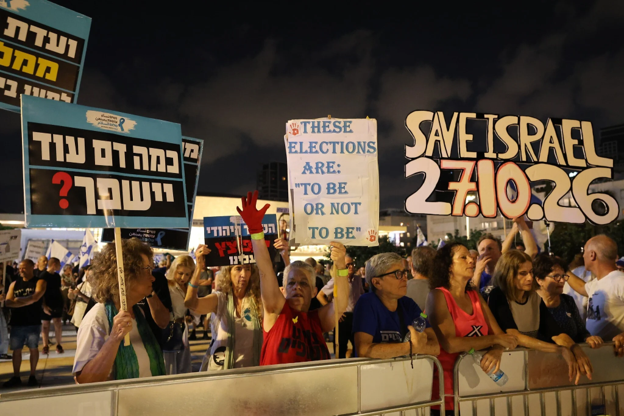
On August 22 Demonstrators in groups of over 250 people gathered at the Habima square, a popular fixture of Israeli public life since the attack in order to demand a statutory state commission of inquiry into the failures that enabled the attacks to happen on October 7. Baram’s remarks came during the gathering, marking the steady and sustained pace of the movement rather than being a single flashpoint concern or event.
Why There's Still No State Commission
Israel’s Prime Minister Benjamin Netanyahu has continuously chosen to reject calls for a formal statutory commission of inquiry and instead requested for an "unaffiliated" investigative committee. The formal statutory commission of inquiry, under Israeli law is the highest-authority of investigative body with the power to subpoena witnesses and documents directly, but Netanyahu’s objection has been described based on the fact that the chosen judiciary for the body would likely be biased against him and in turn, has requested for the unaffiliated investigative committee.
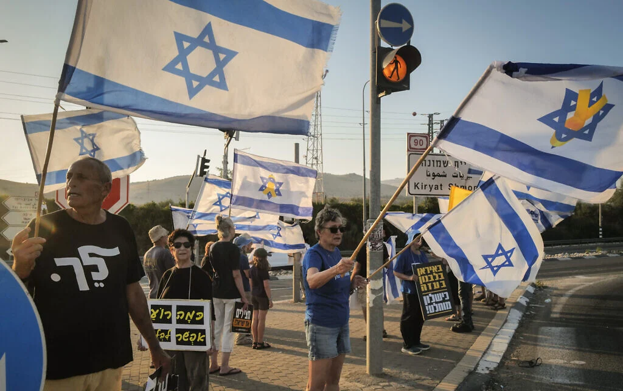
Similarly, Opposition leaders and family advocacy groups have boldly criticized Netanyahu’s position and argued that a commission which is set and controlled by Netanyahu's government cannot be believed to conduct a fair investigation and thus cannot be considered as credible. The critics have also argued that "a political committee cannot investigate itself”, marking a central theme of objection against his stance.
The Broader Push for an Inquiry
Baram’s statements at the gathering are only one of the most recent demands within the larger campaign of the incident. An advocacy group, The October Council, made up of families impacted by the attacks has repeatedly organized protests demanding a state commission while gathering support in large numbers, including the likes of oppositional figures and past leaders such as former prime minister Naftali Bennett, Yesh Atid leader Yair Lapid, Yisrael Beytenu leader Avigdor Liberman, Blue and White chair Benny Gantz, former IDF chief of staff Gadi Eisenkot, and Democrats leader Yair Golan.
And with the passage of time, the pressure towards organizing protest continues to grow larger as over 200 former hostages and family members of the martyrs have collectively signed a letter at the 800th day since the attack, calling Prime Minister Netanyahu to establish a state commission of inquiry or either resign, while claiming that only such a commission has the legal standing to independently examine both the pre-war intelligence failures and decisions made during the subsequent hostage negotiations.
The movement has also garnered support within Israel’s own security establishment aligning with the groups demands with Former Shin Bet director Ronen Bar even addressing an audience at Tel Aviv University while stating that Israel bears full responsibility to investigate and uncover the truth behind intelligence failures of October 7, while also warning that failure to do so would only condemn Israel to witness October 7 again in the future.
What Investigations Have Happened So Far
It's worth noting that formal investigation hasn't been entirely absent — it's specifically the highest-authority, judiciary-appointed state commission that remains unestablished. The Israeli military has conducted and published its own internal investigations into specific failures on October 7, including admissions of errors at individual communities, and the head of military intelligence resigned in the aftermath. Those military-led inquiries have drawn mixed reactions from affected families — some have described them as thorough, while others, including relatives of victims at hard-hit communities, have publicly rejected the findings and continued to call for answers the army's own investigation of itself cannot credibly provide, in their view.
Timeline
|
Date |
Event |
|
Oct 7, 2023 |
Hamas-led attack; Nahal Oz base among the hardest-hit military positions |
|
Ongoing |
IDF conducts and publishes internal investigations into specific failures |
|
~800 days post-attack |
200+ former hostages and family members sign letter demanding state commission or Netanyahu's resignation |
|
Aug 22, 2026 |
Liad Baram addresses Habima Square protesters, calling the state's debt to investigate "unforgivable" |
Conclusion
Three years following the horrific attacks of October 7, the investigation for the attack hangs by a thread while the public and prime minister continue to argue about the correct formal approach to identify those responsible. And while the concern in such situations would focus on whether and what failures occurred along who was responsible, the attacks are rather marked by questions of who gets to examine it and who holds the investigative authority. The campaign seeking justice and answers has already witnessed support from former hostages, retired officials as well as opposition leaders, but the fire continues to grow bigger through voices who’ve suffered a personal loss, voices like that of Liad Baram in the hopes that tomorrow might bring the closure they desperately seek!
Latest Posts