

European Defense France and Germany Scrap Joint Fighter Jet Project
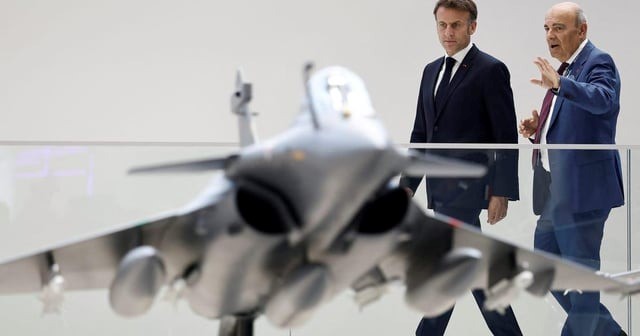
The delays in the program’s development and its eventual cancellation not only expose long-standing differences over national priorities and conflicting industrial interests, but also show how difficult it really is for Europe to achieve strategic unity..
Why the Project Collapsed
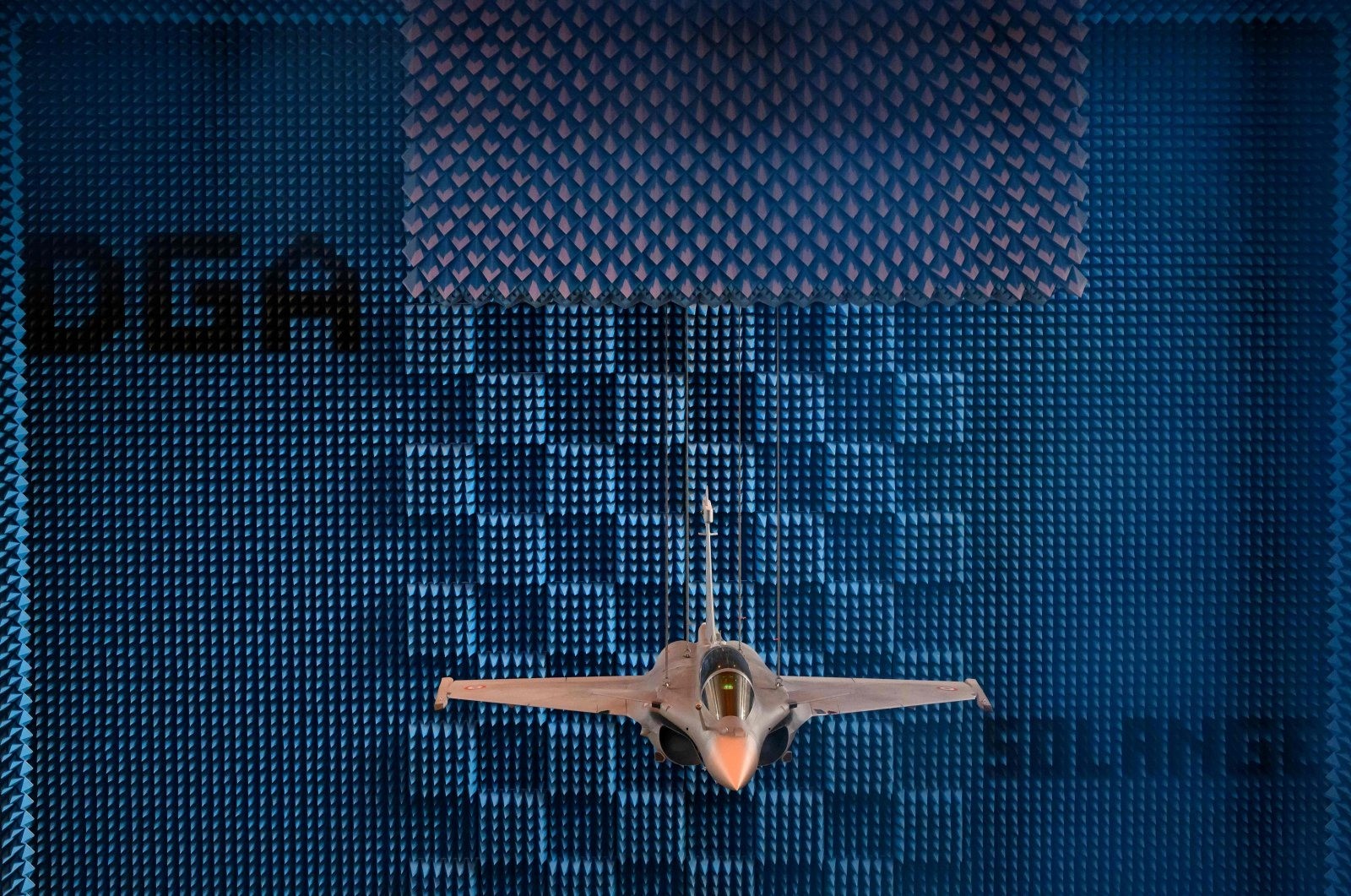
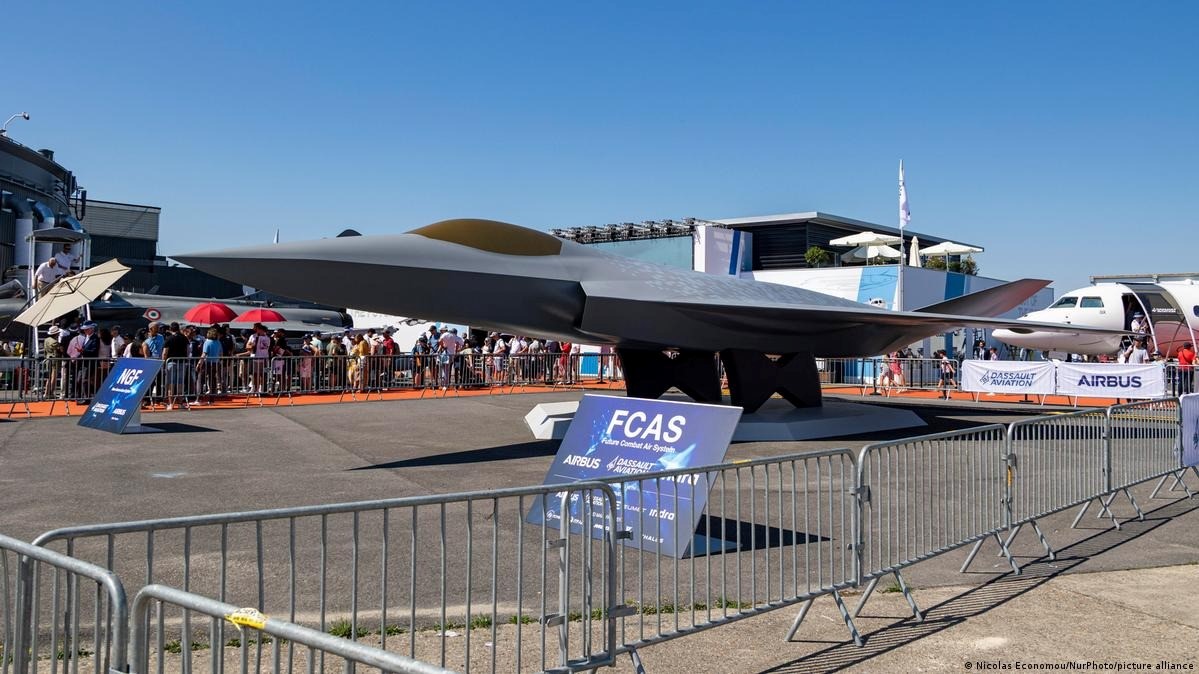
The Future Combat Air System (FCAS) was begun in 2017 to provide replacement for the French Rafale and other air forces (Germany and Spain) by around the year 2040. The overall budget for this programme (a large programme) was expected to exceed 100 billion Euros. However, after years of discussions and comparisons of how similar programmes operate across Europe, FCAS became frozen due to disagreements between aircraft manufacturers and suppliers: mainly Dassault Aviation vs. Airbus.
The individual to pay attention to in this story is the defense executive and head of procurement that will actually have to convert political aspirations into a feasible industrial design. In European defense projects, many times those decision-makers at the middle layer are far more important than headline politicians as they have to reconcile budgets, engineering realities, and national pride.
They are often holding the keys to whether or not there is an appropriate level of cooperation on developments throughout the entire project. When an FCAS program begins to slide back, it is not that no one is interested in making sure it succeeds; it is usually simply that so many stakeholders believe they can achieve success with their own terms. And thus, during initial stages of development, it seems that a compromise will be very expensive while failure is going to start costing much more once you have completed an entire program. So the end of the fighter jet program serves to illustrate once again that Europe’s defense future will not only depend upon strategies but in addition will depend upon the people who are able to keep egos from becoming a detriment to mission accomplishment.
One point not always understood by those outside the Aerospace and Defence Industry is that defence cooperation is rarely defeated by lack of vision or ambition. It usually fails because of questions related to ownership of the architecture, export rights or approval when there are slippages against the schedule.
What This Means for European Defense
The collapse of the project is occurring at a sensitive time. There has been much discussion in Europe for many years regarding their desire for absolute independence when it comes to defense production; however, the current war in Ukraine, along with uncertainty surrounding U.S. obligations, has caused that issue to become even more pressing than previously thought. The loss of this flagship European defense aircraft development program is a blow, as it was meant to be an indication that Europe is capable — independent of assistance from outside of Europe — of designing and manufacturing their own next-generation combat system.
Not to say that there won't still be aspects of the project remaining. It has been reported that the "Combat Cloud" aspect of the program is likely to stay alive, meaning that Europe will have a digital backbone (the Combat Cloud) to connect their aircraft/drones/weapons systems to one another. This is indicative of the tendency of European nations to be comfortable working together on software, networking, and systems integration, rather than on a common/shared fighter design.
The Business Case Behind the Break
These setbacks could keep contractors and the U.S. aerospace industry down but could also hurt other industries and communities worldwide, since they determine future markets, long-term workforce and industrial communities/markets.
Contracts for fighter jet projects create long-term industrial ecosystems that:
1) create job opportunities;
2) maintain engineering knowledge; and
3) determine which companies will play a significant role in future defense technologies.
Why the Deal Was So Hard to Save
The harsh reality of European joint defense project cooperation is the willingness of countries to work together to develop these projects while keeping as much of their national identity and priorities in place as possible: this leads to significant discrepancies within the partnership. In terms of French desire for strategic autonomy, Germany insists on industrial balance and accountability. As part of this overarching framework (the European Union), Spain has been adversely affected by lack of consensus by the two major actors regarding the overall governance of the alliance.
Such imbalances lead to a significant cost due to the fact that a defense project typically does not fail overnight, but rather, over an extended period of time through lengthy delays, extended negotiation timelines and politicization of issues. Ultimately, by the time the leadership of the country realizes that a project will not be able to move forward, the companies involved have already invested years of time and political capital to see project success.
The Strategic Lesson
The larger point, however, is that Europe still wants to create a more independent basis for its defence but is yet to properly address the complexity of doing so from an organisational perspective. It is easy to say you want to work closely together in a speech; however, when you are all trying to achieve a common end through the same programme where there is a national element for that programme that must meet multiple requirements within ministries, contractors, unions and export politics, the same level of cooperation may not occur.
And, as a result, smaller, more achievable collaborations may be on the horizon. Europe may not find agreement on a large single aircraft, but can develop synergy through interconnected systems, digital command networks, integrative drones, and modular platforms that will allow countries to partner together without yielding too much control.
The most significant point here is not that Europe has lost its ambitions for defence, but rather that it is in a position to address the limitations of large-scale projects and the necessity of disciplined execution. As we go into a more chaotic world, this transition may be equally significant as the jet that could never be manufactured.
Latest Posts