

Europe Slams Trump Administration Over Civilizational Erasure Claim
Their assertion is that this rhetoric is intended as a form of provocation rather than as constructive criticism. For companies with exposure to both the US and Europe (example CO's in automobiles, defense systems and digital services), this development will likely alter their perception of the situation and expose them to an escalating level of operational risk.
The White House Strategy Document
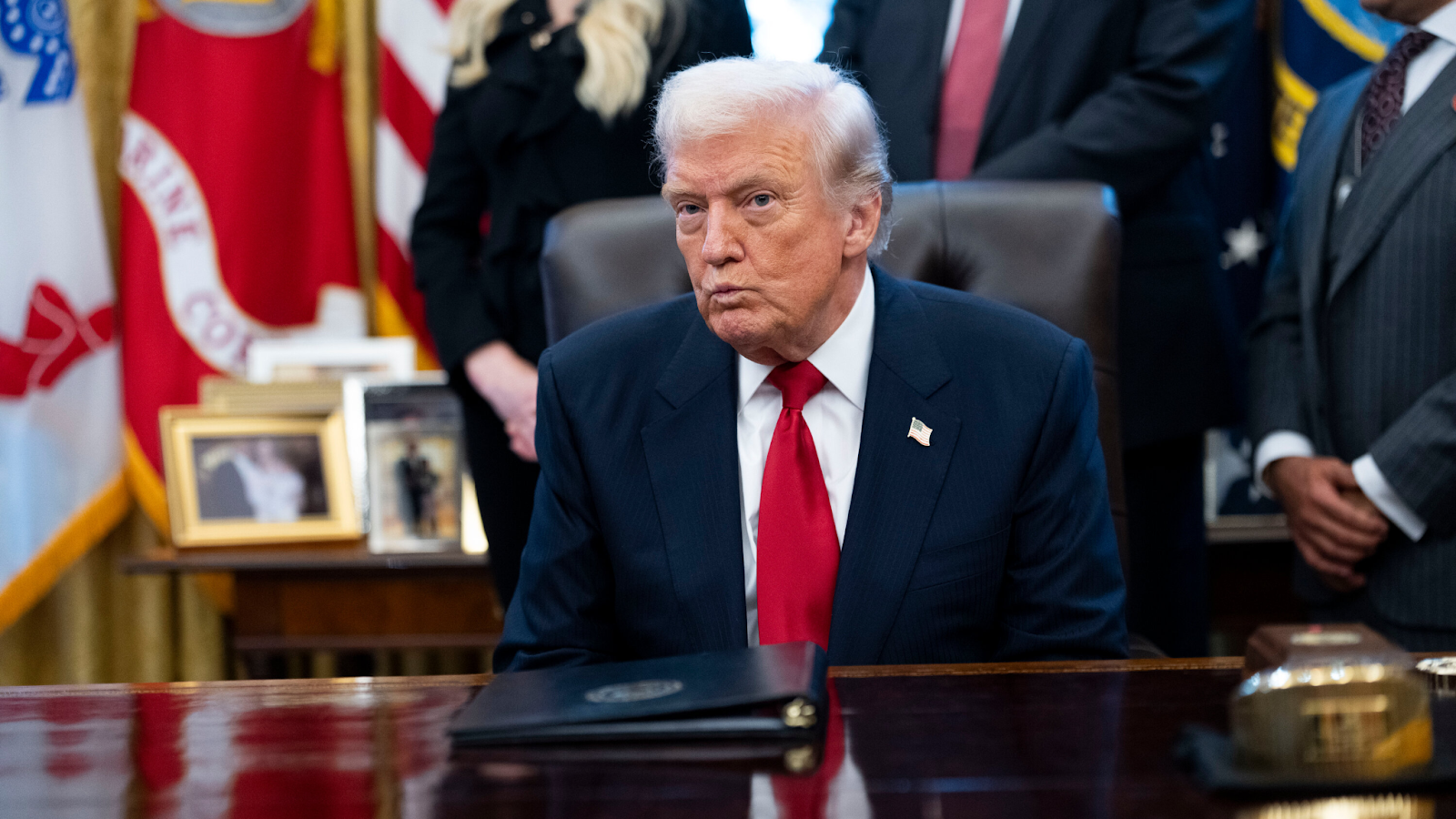
The statement is taken from Trump's Updated National Security Strategy, which is a 33-page America First plan (in other words, it is a blueprint to achieve America First goals). Among other problems, the document includes concerns that Europe’s migration policies may have severe negative consequences, resulting in an unrecognizable Europe in 20 years, with threats to the national identities and the continuity of European civilization.
Another explicit statement in the document is an endorsement of the "patriotic European parties," which are commonly understood to be right-wing parties in Europe, such as Germany's AfD (which polls at roughly 22%), France's National Rally and Reform UK. The document also questions the future integrity of NATO allies becoming predominantly non-European in nature.
Europe’s Immediate, Unified Pushback
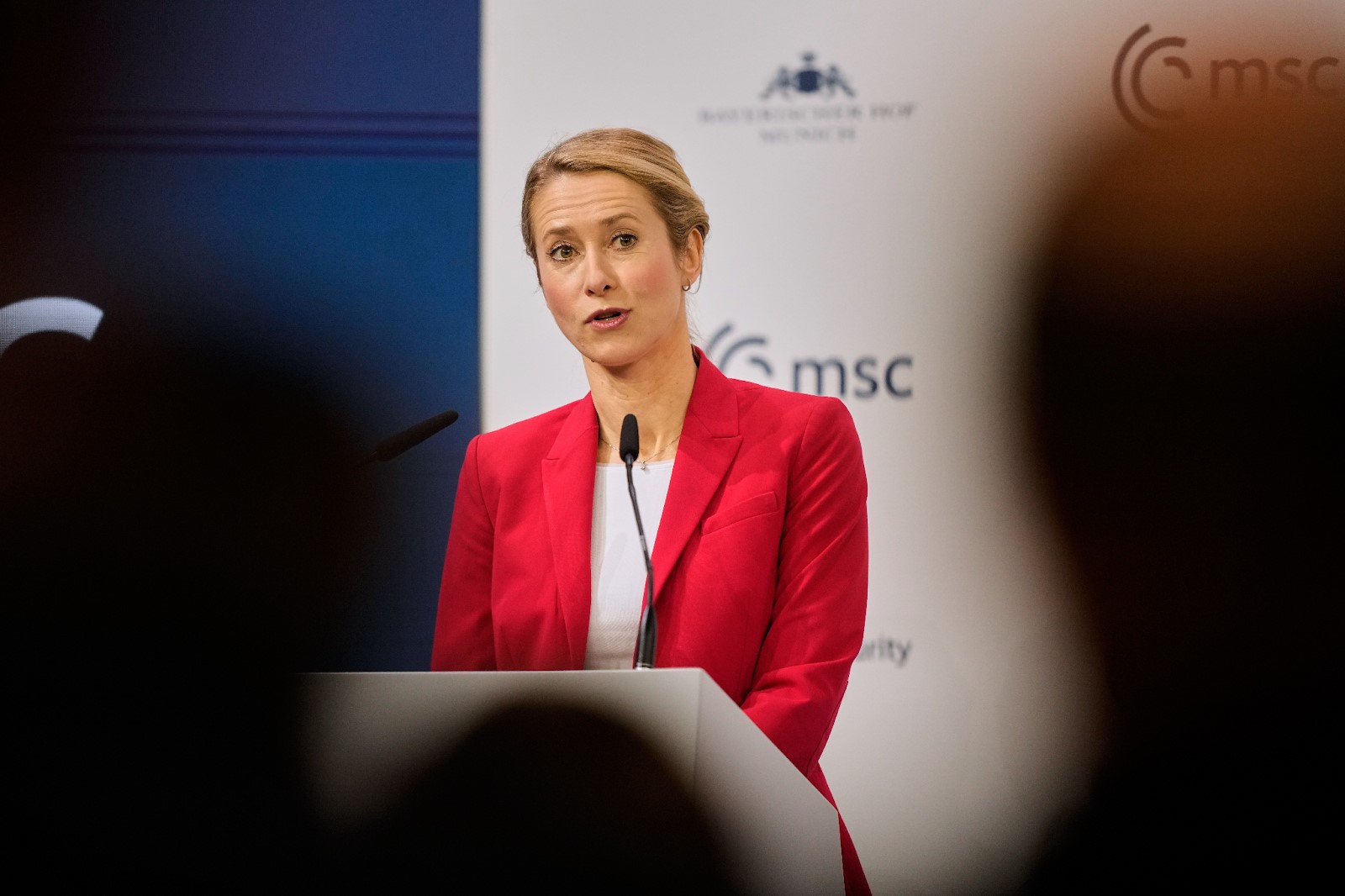
The deflections were fast and direct: Wadephul: "We create our own identity, and we do not need an outsider’s lecture." Kallas in Munich: "Civilizational erasure is not our reality; we are building our own resilience." Italy’s Schlein referred to Trump as a "bully looking to undermine democracy"; the former Prime Minister of Italy, Romano Prodi, said it was "improper intervention into national sovereignty"; even Spain's Vox Party supported an alignment with the United States, while the main consensus considered it a hostile over-reach.
The Euro Stoxx 50 fell 1.4% after the document was released and the dollar increased 1.1% against the euro; ECB rate cut expectations increased significantly.
Immediate Business Disruptions
For executives who are digital-first, Trump’s claims about Europe erasing civilization present three clear points of pressure:
1. NATO Spending and Defense Restructuring
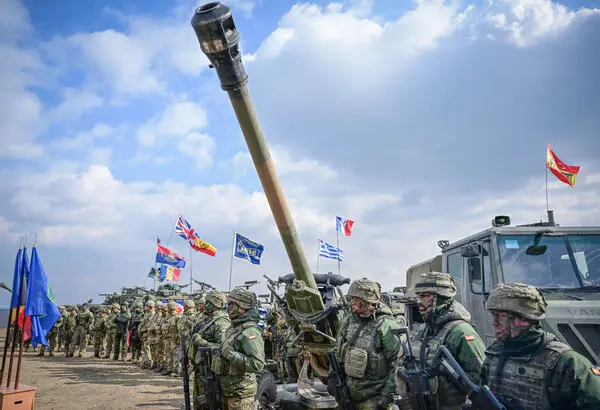
Trump has said he expects Europe “to take primary responsibility,” resulting in accelerated troop reduction from Germany and Poland. RTX/Lockheed will have to deal with changing European Union procurement systems and 2% of GDP spending caps will now be established as the minimum. Rheinmetall and Saab are both up 8% as a result of possible joint procurement announcements.
2. Universal Tariff Threats Come to Fruition
10% - 20% tariffs are being proposed across automotive (BMW, VW), pharmaceuticals (Novartis, Sanofi) and luxury (LVMH) manufacturing. The European Union responded by targeting U.S. agriculture and cloud computing industries, thereby impacting global supply chains. Additionally, a recent report indicates that automotive suppliers in Frankfurt have uncertainty of 15% around their current orders.
3. Digital Regulation Will Strengthen
Both the Digital Services Act (“DSA”) and Artificial Intelligence Act (“AI Act”) will begin enforcement much more quickly than anticipated, due to concerns that they represent the United States’ “cultural interference.” Compliance costs as a result of data localization requirements in the European market for AWS, Azure, and Google Cloud will increase 20%-30%.
Strategic Calculations on Both Sides
While Trump's approach was to stir up hate and fear amongst his voters, overseas we see in Europe that General Vance's theory regarding a "post-liberal Europe" is creating arguments for the United States to withdraw from Europe but simultaneously increasing the funding in the United States for Homeland Defense.
Meanwhile, Europe is taking actions that display urgency in creating greater strategic independence. These include funding €800 billion for the European Defence Fund, continuing with a joint program for alternatives to the F-35, and increasing missile production to €100 billion.
Commission Prime Minister Kallas put it best when he stated that "We are not going to erase our civilization but we are going to adapt it."
Corporate Risk Mitigation Playbook
Immediate actions required by Businesses to be taken:
- Scenario modeling: Stress-test tariffs from 15%–25%. Also consider reallocating NATO funding by 30%, and examine effects of DSA fines.
- Dual-track lobbying; separate DC nationalists from Brussels technocrats.
- Hardening supply chains, use Mexico and India as buffers against tariffs.
- Use of foreign exchange hedges. Euro is approaching 1.02 support level and options Volatility has increased 25% through trailing Q3.
- Vanguard estimates that Transatlantic Friction will increase global portfolios' risk premiums by 8– 12 basis points in the 3rd quarter of 2023.
Currency Markets and Investor Signals
The support level of EUR/USD was broken at $1.07 after Munich, and it is now testing the lows that were recorded in 2022. DAX futures have dropped by 2.1%. Companies that are engaged in defence, such as Rheinmetall (which has seen a +12% increase in share price), and gold ETFs (which are up by +3.2%), were included in the American Small Cap Index. Small-cap stocks in the United States have outperformed the S&P 500 by 400bps due to the recent tailwinds created by President Trump Jr's ‘America First’ policies.
Venture Capital Firms (VCs) in Eastern European Cyber Security have increased their diligence by three times and are pivoting towards the Baltic region's drone manufacturers.
Long‑Term Transatlantic Recalibration
The reality of President Trump's current trade policies will have a greater impact than the tariff disputes that were present in 2018. The "Strategic Autonomy" concept has been developed into a tangible concept with a goal of spending $1 trillion on European Defence Technologies. The U.S. is doubling down on the Indo-Pacific region while U.S. businesses that relied on frictionless trade with Europe will now have to adapt to the current situation.
The many claims in regard to the civilizational erasure of Europe are a reflection of supply chain challenges, regulatory issues, and currency volatility, rather than a cultural comment on European culture. Companies should resource and plan for the impact of these issues in their operations.
Latest Posts