

Elon Musk Abandons Mars Focus for Moon City
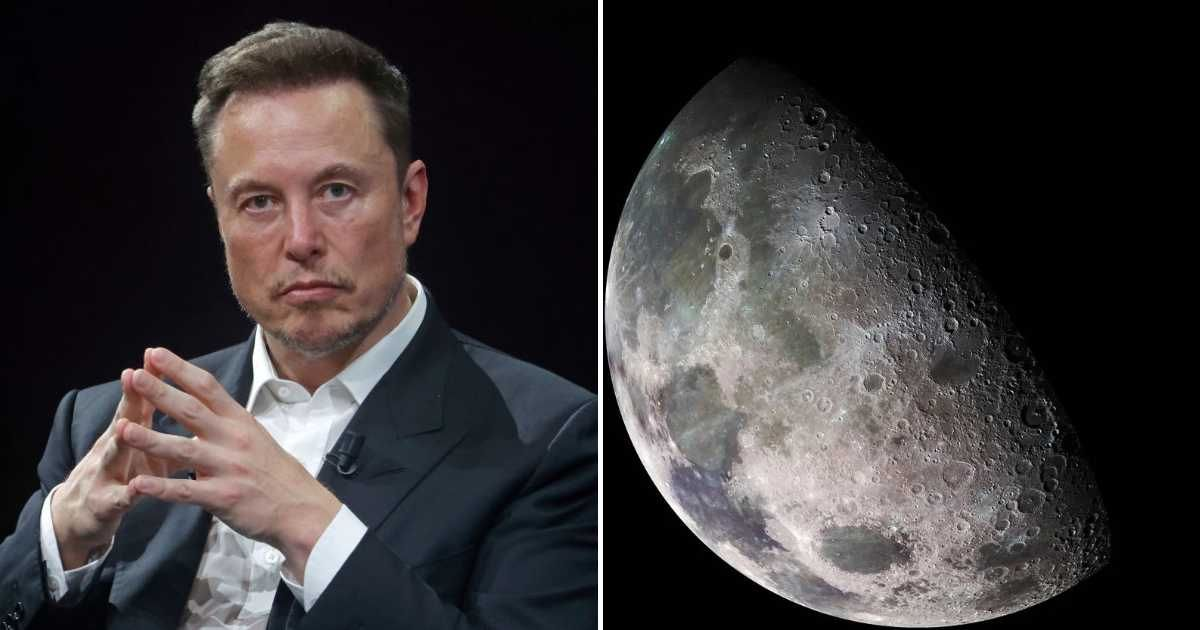
On February 8th, 2026 Musk announced this to everyone on X and said he expects the Moon to have a self-sustaining “City” built in as little as nine years! Even though Mars is still the ultimate goal, now the moon will act as an initial testing site for a mission to Mars.
The Announcement That Shifted Orbits
Musk's announcement was very clear; he stated that the Moon takes "overriding priority" over the start of work on cities on Mars because of the physical and economic realities of the moon and Mars. The Moon can be reached in two to three days and can have a new launch every ten days.
In contrast, the average trip to Mars is about six months, and we only launch to Mars every twenty-six months on average. This means we will be able to have 5-10 times as many test flights on the Moon per year than on Mars in the same time period, making it much cheaper to perform tests and milestones to keep investors engaged. Therefore, SpaceX is not terminating their development of the Starship; they are just using it where they can achieve success the quickest.
This plan aligns with NASA's Artemis program, as demonstrated by SpaceX's $2.9 billion Human Landing System contract, making them the preferred supplier of lunar landers for NASA. The success levels we achieve on the Moon will reduce the risk factor for building the equipment required to go to Mars (cryogenic fuel depots to radiation hardened habitats).
Why the Moon Makes Business Sense Now
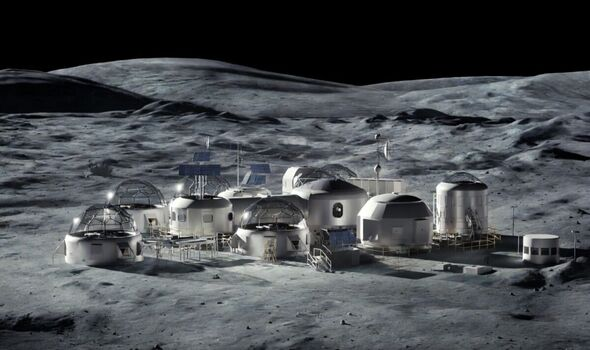
When you put on your venture capital investor hat, the Moon is Musk’s high velocity endeavor. The Moon City will grow organically (not just a dream about creating a city on the Moon). That city will consist of habitats built by swarms of robots, using regolith from the Moon to produce oxygen, water, and building materials through modularity. Picture a Tesla Gigafactory, on the Moon, with 1/6th of the gravitational force. Small beginnings will expand organically. Once the technology is developed, we will mine for Helium-3 to fuel fusion reactors back on Earth and transfer electrical energy produced from solar arrays back to Earth.
Economically, going to the Moon makes sense. The tourism industry on the Moon should look like going on the first few trips to space cost ($50,000,000+ per person today, and dropping fast). However, extracting resources (rare earths, isotopes, etc.) will access a multi-trillion-dollar market. Establishing data relay platforms within and outside of the Earth-Moon system will support continuous revenue. In addition, there are many contracts that will flow from NASA ($10,000,000,000+ Artemis Funding through 2030), ESA (European Space Agency) partnerships, and DoD (Department of Defense) lunar intelligence, reconnaissance and surveillance needs.
This pivot will enable SpaceX to leverage its $200,000,000,000+ valuation while it prepares for Mars by generating cash flow. It is just part of the timeline process that has transitioned the business model from rocket company to multi-planetary business.
Mars Isn't Dead—It's Just on Deck
This should not be confused with back peddling on Musk's vision of humans becoming a multi-planetary species because the moon is an ultimate location to test out closed-loop food systems for mars and long-duration psychologies. The demonstration of orbital refueling with starships is planned for the end of 2026 which will facilitate travel to either of those planets. Failures will cost 100's of millions vs 100's of billions because of how close we are to the moon compared to how far away we are from Mars.
Business Implications Beyond the Launchpad
As investors and executives look to the space sector:
- Capital: Lunar projects are attracting a greater amount of investment from venture capitalists (VCs) targeting orbital infrastructure, including propellant depots, lunar ISRU startups (in-situ resource use), and many more.
- Talent: The best engineers are looking for hardware that flies, not rendered images, as Boca Chica rapidly becomes the next Silicon Valley.
- Global Politics: The dominance of the U.S. over the moon through SpaceX is putting pressure on both China and Russia; expect expansion of the Artemis Accords.
- Downstream operations: Integration of Starlink satellites with lunar relay stations will increase global bandwidth available while subsidizing our ability to explore deep space further.
For industries that are considered conventional and have distance from space, this transition serves as an excellent reflection point for them as well. SpaceX’s plan to use the Moon as an experimental platform will help them prepare and accelerate for their larger goal of colonizing Mars.
To some extent, this is similar to a company that tests out AI in one small part of the business before rolling it out across the organisation. The benefits of this strategy are clear: get fast feedback, limit your loss, and increase your learning experience by implementing at a site where you speed this process.
The Bigger Play: Momentum as Currency
Elon Musk has no intentions of being in the limelight. Perhaps he is just attempting to buy himself time and evidence. By accelerating the Mars colonization process through lunar colonization, Musk moves the concept of science fiction into the confines of a spreadsheet. The space industry favours operational execution over excellent ideas. This Moon City venture epitomizes Elon being Elon—building wins within the limits of physical processes while keeping humanity's multi-planetary countdown active.
Latest Posts