

EU Deploys New Sanctions Targeting Russias Shadow Fleet
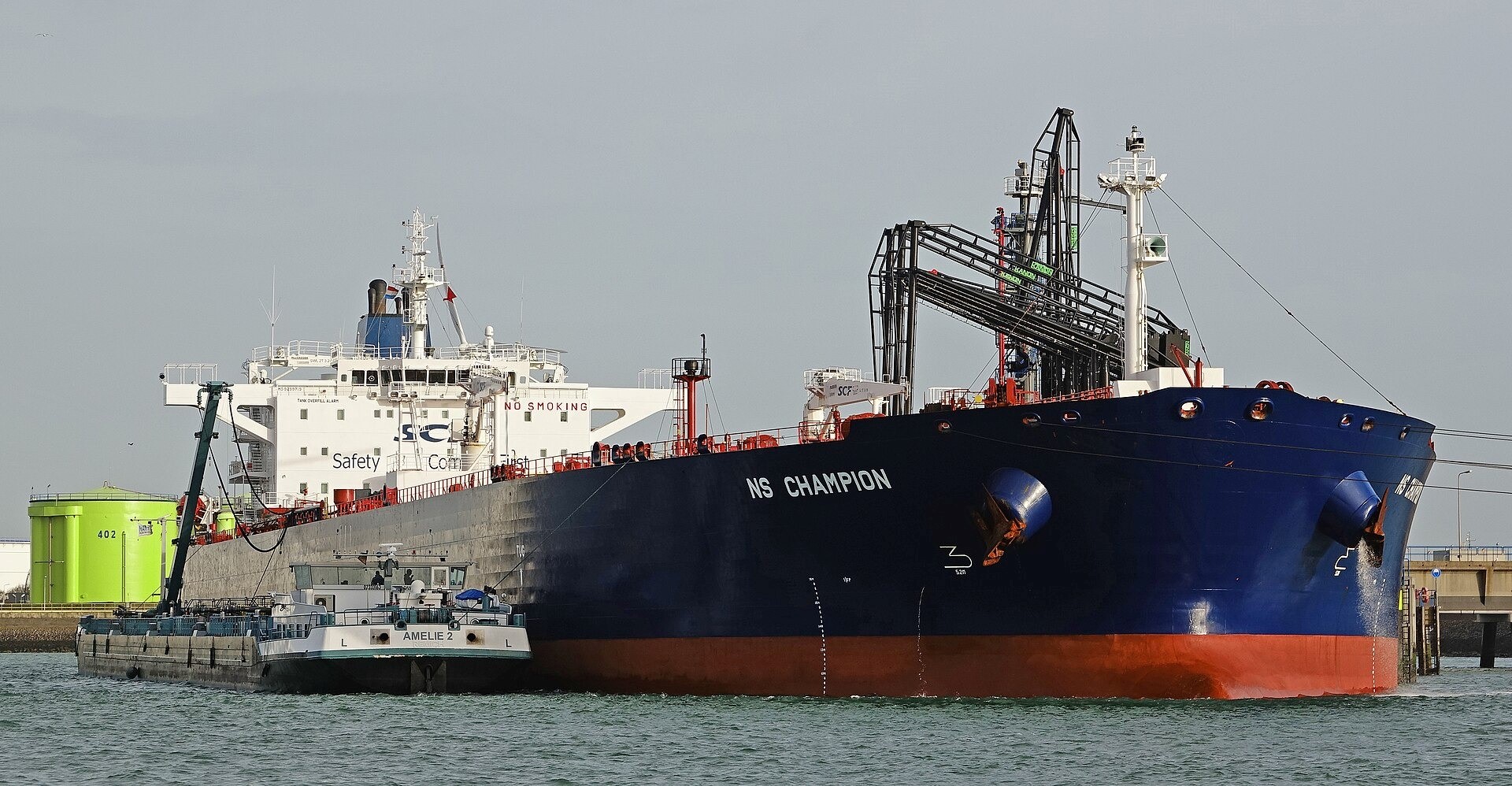
Shadow fleet consists of tankers and shipping companies which help Russia to export oil.
In order to cut Russias energy revenues, sanctions have been introduced by the European Union. Europe has been trying to reduce Russias energy revenues and hence, its ability to finance war in Ukraine. These sanctions target vessels, banks, oil traders, and individuals accused of facilitating sanctions evasion. It proves that Europe is determined to block loopholes that Russian has exploited so far.
Understanding Russia’s Shadow Fleet
Ships comprising shadow fleets operate outside the established regulations and systems that are applied in the West. The ships belonging to shadow fleets are normally oil tankers sailing under other countries’ flags and having complex ownerships.
They are difficult to regulate due to such features as the use of flags of convenience, complex ownership, lack of transparency, etc. Shadow fleets are often employed in transporting oil to countries across the globe. This allows Russia to bypass restrictive policies introduced by the EU, UK, and other Western countries. They allow Russia to earn revenues from the sale of its oil despite the existence of sanctions that restrict Russian access to global oil markets. Shadow fleets have become essential for Russia’s oil sector.
The New EU Sanctions Package
On its part, the European Union has decided to make things even harder for Russia by restricting both their finances and energy resources. This will be done through asset freezes and limiting financial transactions.
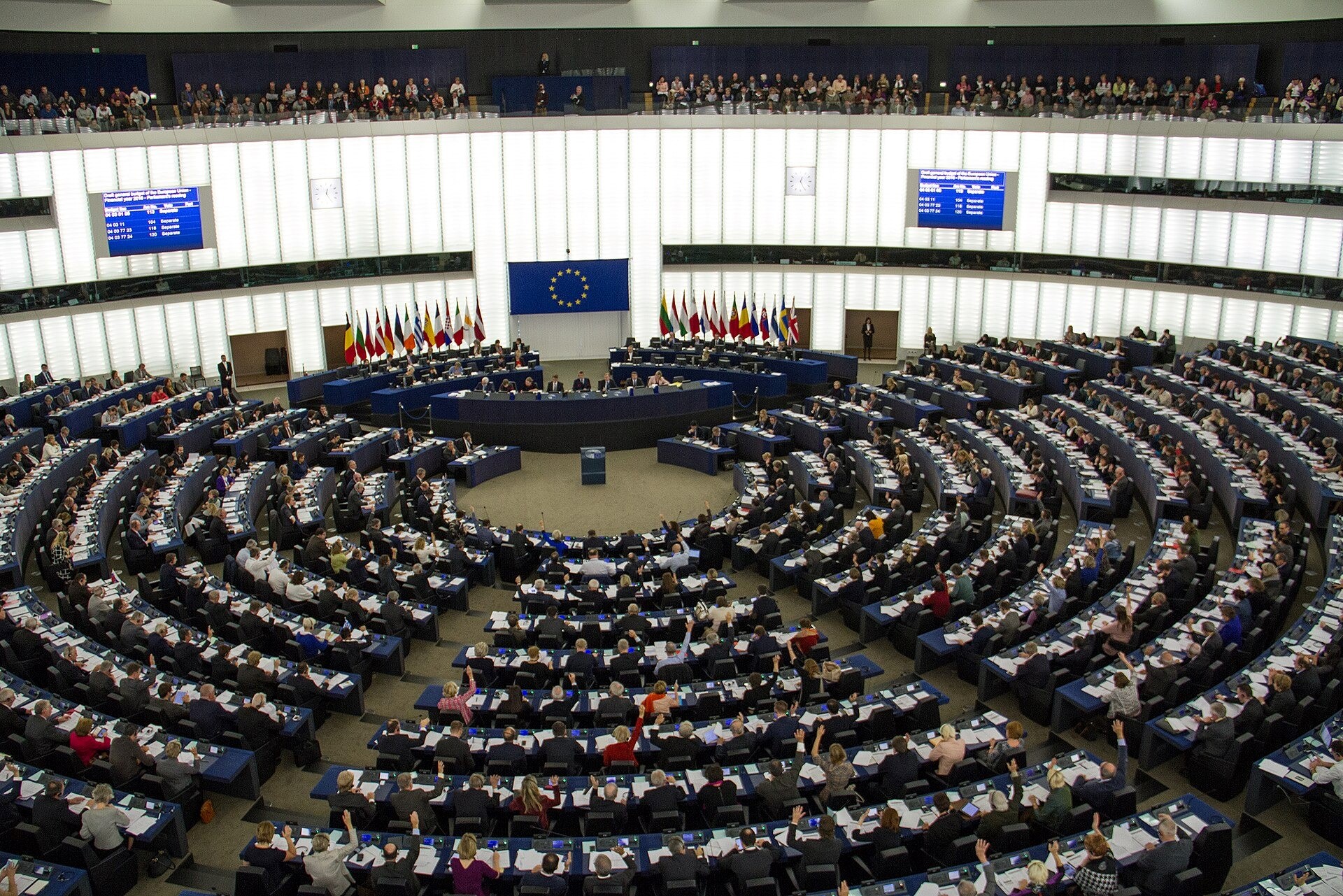
In addition to this, the EU is planning to restrict some companies and individuals that have been trading with Russia in violation of the imposed restrictions. The main objective of the EU is to compile a list of individuals and companies that are involved in transporting goods in support of illegal transactions. The intention behind such restrictions will be to make it difficult for Russia to earn income from exporting energy. In addition to this, it aims at increasing the cost of such illegal operations.
Why Oil Exports Remain a Key Target
Russia receives revenue through the export of energy resources. This is very crucial especially for the government. Despite the sanctions imposed on Russia, the country is still exporting large amounts of oil.
The policymakers in Europe believe that reducing Russia’s revenue from the sale of oil will render Russia with little funds to support their military activities. Russia has devised strategies such as use of the shadow fleet which enables the country to export oil to the buyers willing to buy the oil at low prices. It has been observed that the European Union is making efforts to discourage the sale of oil by Russia through targeting of ships and traders helping in selling of oil by Russia.
Expanding Pressure on Maritime Networks
In fact, the new sanctions target directly the infrastructural assets related to Russian oil exports. There is a considerable concern shown by EU authorities regarding the actions of the relevant shipping companies, vessel operators, as well as those of the insurers and intermediaries whose activities relate to the shadow fleet’s activities.
One of the proposed initiatives includes granting more authority to naval operations in the Mediterranean for performing inspections of suspicious vessels. From the perspective of EU officials, it becomes necessary to apply stricter regulations in light of the fact that the majority of shadow
fleet vessels do not disclose their ownership structure and regularly undergo changes to their identity.
Financial Institutions Also Under Scrutiny
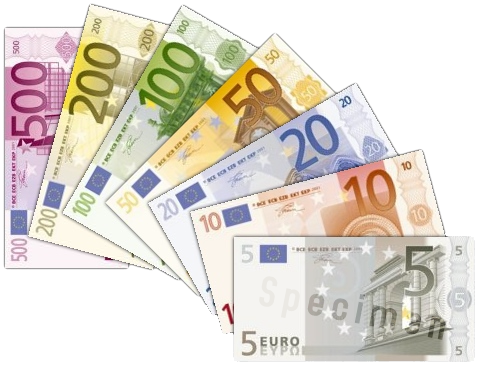
In addition to the shipping and energy industries, sanctions have been extended beyond these areas. The European Commission has proposed taking measures against 90 banks and certain crypto currencies which are considered to assist Russia in conducting financial operations.
In essence, people in control understand that sanctions alone will not bear fruit unless they also address payment systems. By targeting both banks and various methods of payment, the European Union seeks to prevent Russia from utilizing means through which they can conduct global transactions and acquire items related to sanctions avoidance. Such an approach demonstrates understanding on the part of EU leaders.
Russia’s Response to the Measures
Sanctions against Russia have angered the country significantly. Russia feels offended being named as the ‘shadow fleet’ regarding its fleet. Russian authorities are convinced that such measures are not justified and unjustifiable.
Moscow believes that what Europe proposes cannot be implemented since it means European navies would be entitled to intercept suspected cargo vessels carrying petroleum products. Russia’s officials believe such actions would only lead to complications both on water and ashore. The Kremlin insists that such sanctions against it have not worked the way Europe had expected.
Challenges Facing Enforcement
The sanctions against Russia are quite stringent. The implementation and enforcement of these sanctions have proven to be difficult due to many reasons. Russian ships are owned by several organizations and they fly different flags while carrying out business activities around many jurisdictions.
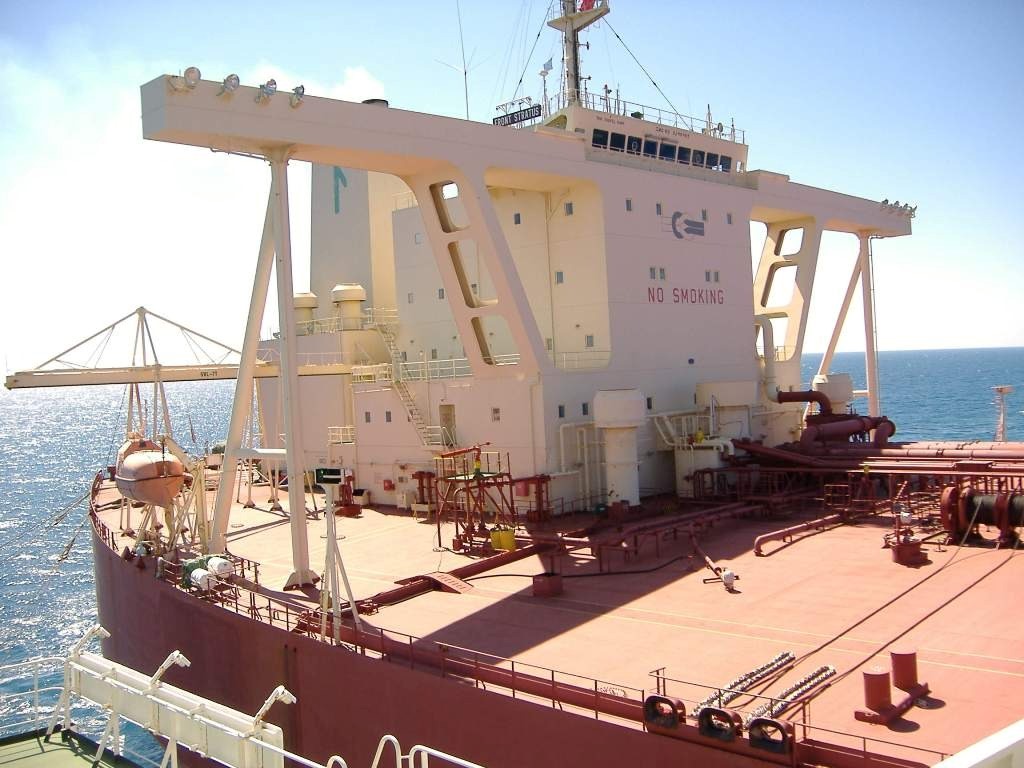
Many such ships engage in illegal acts such as fuel transfer among other ships on high seas disabling themselves or others in tracking them or hiring brokers from countries that are unconcerned about sanctions. Sanctions can only succeed if many countries enforce them. If China and India are unwilling to support the enforcement, then Russia will find means of selling its oil.
Economic and Geopolitical Implications
The proposed sanctions would undoubtedly be felt in the global energy market and affect the diplomatic relations among nations. In case exports of oil from Russia lower down, this would change energy supplies and their rates at times when tensions rule high among nations.
This development further shows how important economic power has become in the quest for dominance in international relations. Contrary to the past when force and diplomacy were the major options that nation-states had, economics has taken center stage today. The recent move by the European Union is just one example of how nations nowadays make decisions regarding critical matters.
What Comes Next?
The EU believes it can undertake further action if Russia continues to find ways to circumvent the imposed sanctions. Speculation is rife concerning the setting of restrictions on firms engaging in oil transactions, shipping firms and financial institutions that facilitate Russian exports.
According to the European officials, the sanctions must be dynamic in nature since they must continuously change in order to counter Russias tactics. It remains to be seen how effective the new sanctions are at hampering Russias secretive shipments in the coming months, or whether Russian ingenuity will prevail and help sustain its energy trade. At any rate, one thing is certain – the EU is definitely employing sanctions as an aspect of its strategy towards Russia and the pressure will continue.
Latest Posts