

Dubais Ghost Airport Passenger Traffic Drops 66%
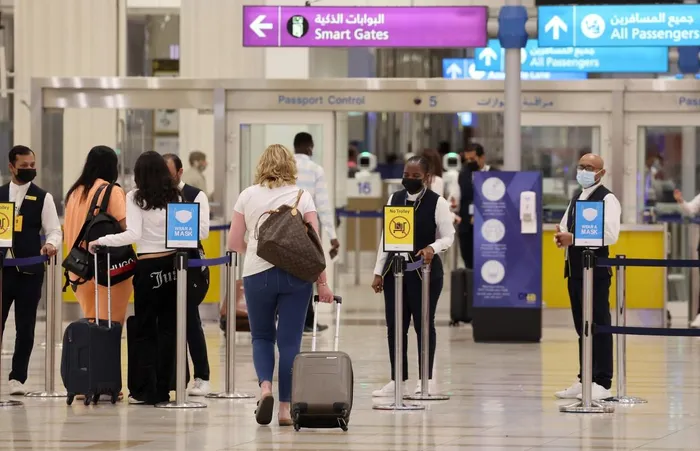
The decline is attributed to local conflicts and disruptions to air traffic, which affected one of the world’s busiest airports. While the decrease in passenger numbers is staggering by any measure, this occurrence serves as an excellent demonstration of how swiftly a global aviation company can be impacted when there is uncertainty concerning their routes.
What Happened
Regional disturbances as a result of the Iran-Israel geographic confrontation was one reason for many commercial airlines rerouting, delaying, or canceling flights throughout various parts of the Middle East. According to Dubai Airports, they still had approximately six million passengers during the total disturbance, however first quarter passenger flow amounted to 18.6 million; for the same period one year ago, these same airlines had 20.6% more passengers than in 2023. Therefore, this decline is due−not to total loss of demand, but to the increase in operating risks associated with doing business in the region. Passport+1
Why This Matters
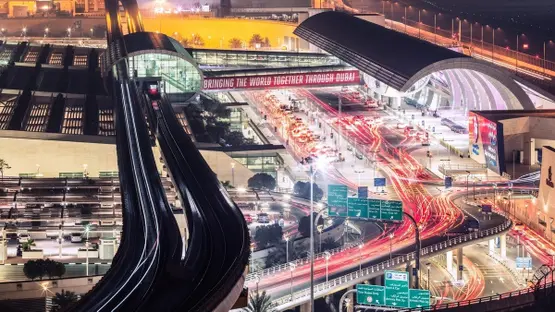
Dubai’s airport is not just a terminal; it is a business engine. Its hub model depends on transit traffic, predictable connections, and airlines that can bank on short layovers between Europe, Asia, and Africa. When airspace becomes unstable, that entire value proposition gets a lot weaker, even if the airport itself stays open and functional.bloomberg+1
For a digital-first business audience, the lesson is pretty clear: scale is powerful, but concentration risk is real. If a company, platform, or logistics network depends on a narrow set of routes, suppliers, or geographies, one external shock can ripple through every revenue line fast. Dubai’s traffic dip is a very large example of a very familiar business problem.linkedin+1
The Hub Model Under Pressure
Growing airports as connectors to a city, such as Dubai, requires passenger trust in the means to connect. That trust is fragile, as shown in March with reports from Bloomberg indicating that the airport will likely not reach the predicted milestone of 100 million passengers until 2027 due to geopolitical interference.
In addition, the capital-intensive nature of airports makes delays in achieving growth targets significant. Staffing, retail revenues, business relations with airlines, the volume of cargo processed, and future infrastructure projects are all connected to the number of passengers using the airport. A significant decrease in passenger traffic results in negative effects on hotel operations, the transport of passengers, retail operations, and the transport of freight.
Cargo and Revenue Fallout
While media outlets typically focus on passenger traffic as the most important story to be told by an airport or region/area, there is some level of cargo traffic that falls within the reach of reporting as well. According to Dubai Airports' reported statistics, approximately 213,000 tonnes of cargo were processed during the disruption period; however, overall quarterly cargo volume levels still decreased by 22.7% year-on-year when reporting matched with the latest quarterly data. Therefore, it can be assumed that the shock to cargo traffic during this disruption was widespread, rather than limited to leisure (throughout the last half year) and transit passenger traffic alone.
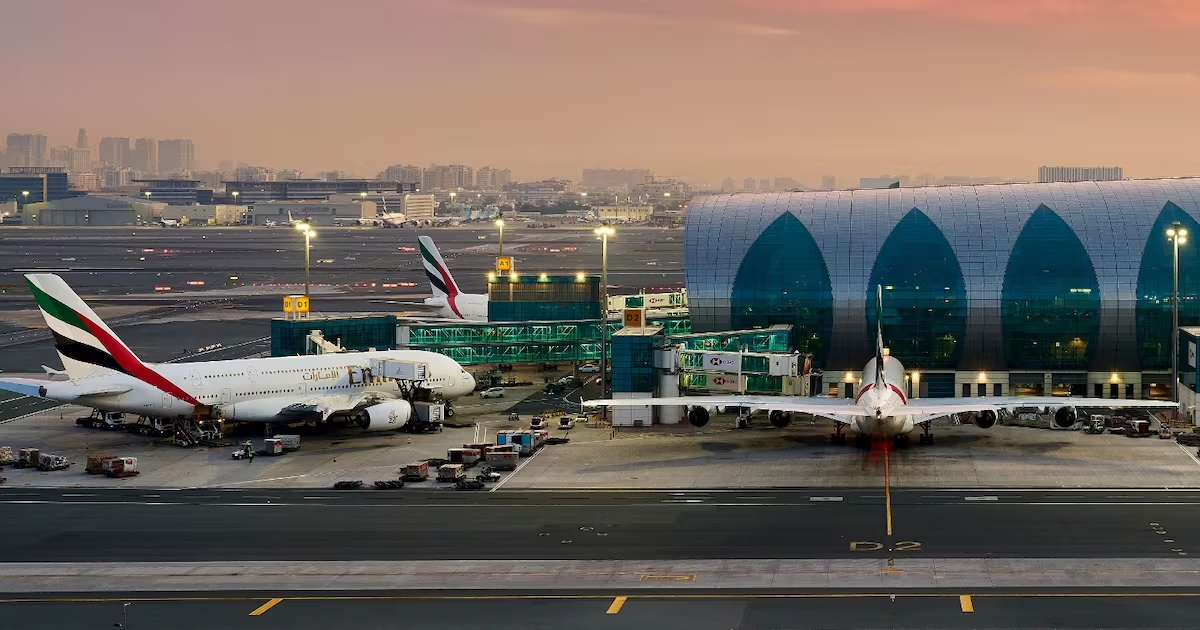
The impact for businesses is that airports like those located in Dubai are both (1) aviation hubs and (2) logistics platforms. If air routes become modified, freight shipments often get diverted to other locations – many of which may have increased costs associated with transportation as well as delays due to the new routes; hence the impact would be present immediately to airlines in the form of timetable disruptions, while the total costs will ultimately be assumed by companies who rely on the ocean supply chain to deliver imported or exported goods to global communities.
Recovery Is About Confidence
What's also a good thing is that there is no actual halt in operational activity at the airport. While it will take some time for there to be a return to normalcy, reports show that operations at both centres have began to resume back to near normal levels due to the relaxation of existing restrictions, and Dubai Airports plans to gradually recover airline operations and develop increased flight and route options over time. Ultimately, however, this represents a primarily business issue (as opposed to an aviation issue) because recovery relies on having confidence, rather than simply reopening for business.
Airlines need assurance that they will have reliable schedules. Travellers want assurance that their transfers will be worth the effort when travelling. Businesses would like to ensure that there will not be continuing disruption in their supply chains on an extended basis due to a continued lack of supply chain confidence. Consequently, until businesses regain their confidence levels, the number of passengers will likely remain below the level of what was originally projected prior to the recessionary downturn (2026).
What Businesses Should Watch
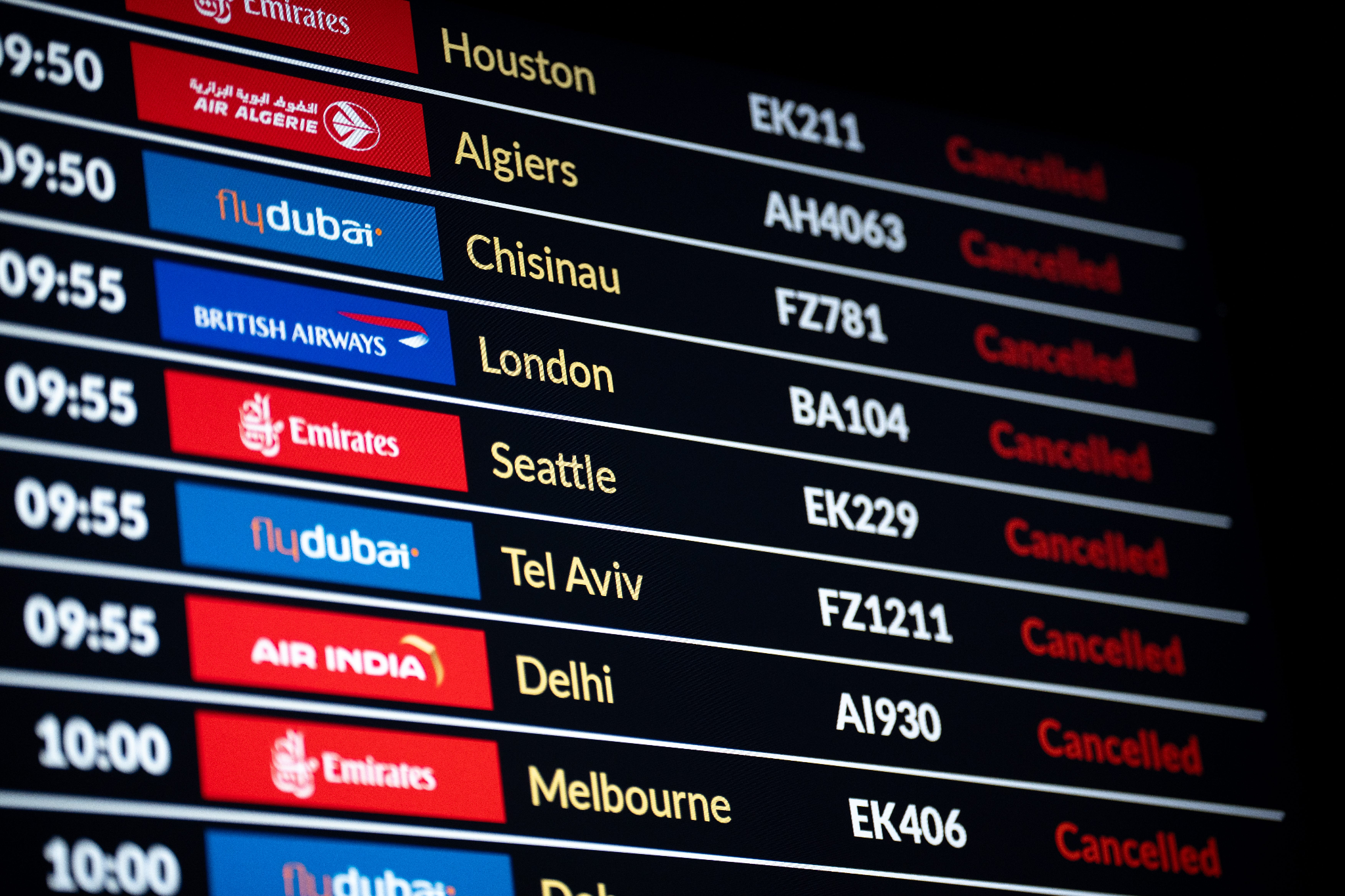
The overarching theme is one of resiliency. At a time when the risks of disruption can be caused by conflict, weather, regulations or technology, businesses dependent on the movement of people and goods must have business continuity plans that reach beyond theoretical plans. While the structure of Dubai’s airport is structurally sound, the dip in passenger numbers illustrates how quickly the world’s gateway can be almost empty when the network of business operations shifts.
For investors, operators and logistics organisations; the relevant question is not if the value of hubs will ever be diminished – they are still valuable – it is whether or not an individual hub can handle enough of a concentration of traffic before volatility becomes a risk to the overall operating plan. Dubai’s loss of traffic in March acts as a pointer to the fact that well organised systems can become unorganised at a rapid pace.
Latest Posts