

Dolores Huerta, United Farm Workers Co-Founder and Civil Rights Icon, Dies at 96 at Her Bakersfield Home
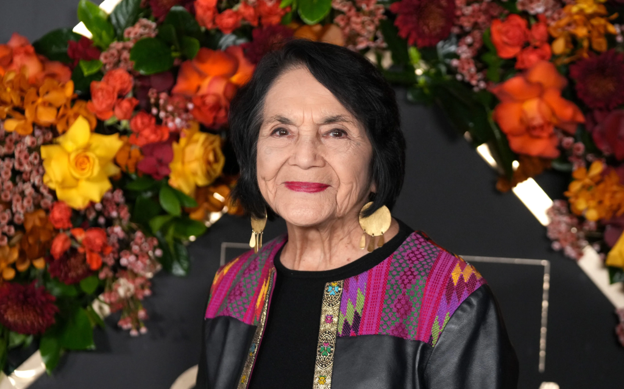
Dolores Huerta, 96 was a labor organizer who actively led the foundation of the United Farm Workers, gave American activism the rallying cry "Sí, se puede" and spent more than seven decades campaigning for better working standards.
Passing at her home in Bakersfield, California, Dolores was surrounded by her loved ones and succumbed to her long-standing fight with cancer. Dolores was quick to receive tributes from presidents, governors and the farm towns that she had touched through her work with many expressing gratitude for her commitment to providing greater acknowledgement and responsibility for workers from their employers.
Table of Contents
1. A Life Begun in a New Mexico Mining Town
2. From Teacher to Organizer
3. The Farm Workers' Movement
4. "Sí, se puede" and a Wider Fight
5. The Foundation and the Final Years
6. Tributes and Remembrance
7. Timeline of a Long Life
8. Conclusion
A Life Begun in a New Mexico Mining Town
Born on April 10, 1930 in Dawson, Mexico as Dolores Clara Fernández, Dolores experienced early life experiences that shaped her personality and professional work throughout her life. Witnessing her parents divorcing at an early age of five, Dolores was raised in Stockton, California, by her mother and grandfather and saw her mom working two jobs, as a cannery worker and a restaurant waitress, before starting her own restaurant and a hotel that served many farmworkers. Huerta has consistently credited her mother for fostering an environment and encouraging her towards Civic Involvement, an early incline that shaped her perspective and contribution throughout her life.
From Teacher to Organizer
Huerta began her professional journey as a teacher in rural California in 1954 after having completed training but quickly left the teaching role within a year. Dolores reported that she didn't find students arriving to school for knowledge but rather saw children arriving hungry and barefoot, a sight that upset her and motivated her to do greater good as an organizer. In 1955, Dolores formed the Stockton chapter of the Community Service Organization, a Latino civil rights group, where she actively worked towards encouraging voter registration and lobbying which led her to a meeting with César Chávez.
The Farm Workers' Movement
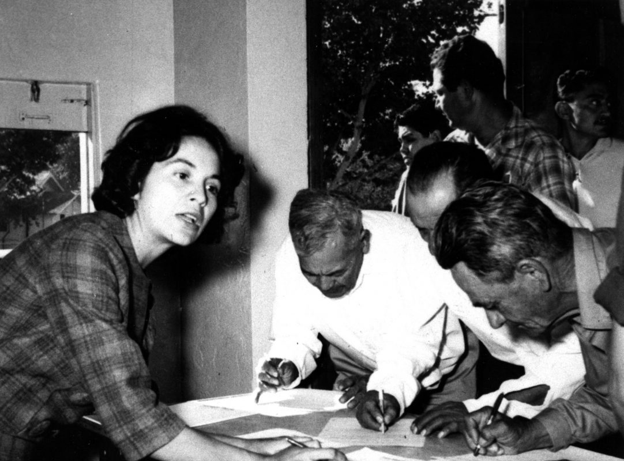
Having developed a shared vision, Huerta and Chávez launched the National Farm Workers Association in 1962, aiming to secure better pay and conditions for seasonal agricultural workers in California's Central Valley, an association that eventually merged as the United Farm Workers of America. During her time at the association, Huerta played multiple roles, with the most notable being an active lead negotiator and lobbyist, which also brought her to become a crucial mediator and negotiator in the Delano grape strike and boycott of the late 1960s, a campaign that spanned over five years and garnered attention from all around America towards the living and working conditions for field workers. Notably, Dolores through her work and the boycotts also regulated the dynamics of the political climate, producing the California Agricultural Labor Relations Act of 1975, another admirable feat that provided state's farmworkers the right to bargain collectively.
|
Milestone |
Detail |
|
1955 |
Helped found the Stockton chapter of the Community Service Organization |
|
1962 |
Co-founded the National Farm Workers Association with César Chávez |
|
Late 1960s |
Helped lead the Delano grape strike and boycott |
|
1968 |
On stage with Robert F. Kennedy on the night he was shot |
|
1975 |
California Agricultural Labor Relations Act passed |
|
2002 |
Founded the Dolores Huerta Foundation |
|
2012 |
Awarded the Presidential Medal of Freedom |
"Sí, se puede" and a Wider Fight
Within the historybooks, Huerta is also credited for coining the phrase "Sí, se puede," a Spanish phrase saying "Yes, it can be done," a phrase that quickly became a cry for the farmworker movement and echoed for future movements as well. Remarkably, "Sí, se puede," also became the campaign slogan for Former President, Barack Obama who deeply acknowledged its origin and wrote following her death, that as usually, Dolores had reached there first. Dolores has also worked along with previous political figures, having stood alongside Senator Robert F. Kennedy, in the moments where he was thanking her before being assassinated in Los Angeles, a dreadful night that devastated her but didn't stop her from continuing her work. Over the decades, Huerta’s activism emerged from working for farmworkers to further cover women's rights, immigrant rights, environmental justice and voting access, a true beacon and leading example for her identity - a social activist.
The Foundation and the Final Years
In 2002 Huerta founded the Dolores Huerta Foundation, a foundation located in Bakersfield committed to train new community organisers in California's Central Valley. The foundation was largely shaped by her three daughters, Camila Chavez, Lori de Leon and Alicia Huerta, who helped create it, and moulded it to hold the people closest to a problem with the accountability and the power to solve it. The foundation plans to open the Dolores Huerta Peace and Justice Cultural Center in the Central Valley in 2027. Duerta continued to campaign and express her voice until very close to the end, and was also awarded with the Presidential Medal of Freedom in 2012 alongside other lists of awards as a recognition and praise for her contributions through work. During this mourning period, her family has asked for privacy while requesting followers who were sending flowers or gifts, to rather abide by Huerta’s desire of rather having contributions be made to the foundation.
Tributes and Remembrance
California Governor Gavin Newsom also ordered flags flown at half-staff and, in a joint statement with First Partner Jennifer Siebel Newsom, said Huerta represented the best of us. Assembly Speaker Robert Rivas also expressed his emotions, saying California mourns a giant while tributes poured in from former presidents Barack Obama and Bill Clinton, San Francisco's mayor and Representative Nancy Pelosi, and from New Mexico's legislators amongst other notable authorities.
|
Figure |
Tribute |
|
Barack Obama |
Awarded her the Medal of Freedom; credited her with the "Sí, se puede" slogan |
|
Gavin Newsom |
Ordered flags at half-staff across California |
|
Robert Rivas |
Called her a giant who gave voice to the voiceless |
|
New Mexico leaders |
Honoured her roots in Dawson, proposed a state historic designation |
Timeline of a Long Life
|
Year |
Event |
|
1930 |
Born April 10 in Dawson, New Mexico |
|
1954-55 |
Teaches briefly; joins the Community Service Organization |
|
1962 |
Co-founds the farmworkers' association with Chávez |
|
1975 |
California grants farmworkers bargaining rights |
|
1988 |
Injured during a San Francisco protest |
|
2002 |
Establishes her foundation |
|
2012 |
Receives the Presidential Medal of Freedom |
|
2026 |
Disclosure about Chávez; dies October 28 at age 96 |
Conclusion
Dolores Huerta’s life on paper might have stretched from being born in New Mexico Mining House to working in the White House, yet her work stretches across generations and various social facets that are simply too many to list at once. Having actively worked towards safeguarding every worker’s dignity across America, Dolores is sure to be remembered for her professional career. A negotiator, strategist and speaker, and a woman who kept working long after most people retired, Dolores witnessed the struggles and hardships of societal structures and systems and chose to live a story that became the most notable of them all.
Latest Posts