

Dollar Falls to Third Straight Day of Losses as Weak US Data Cuts Fed Rate-Hike Bets
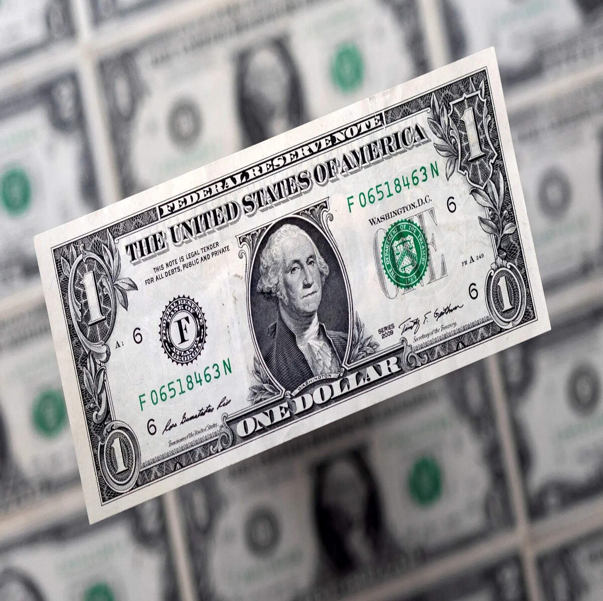
What makes this stretch genuinely unusual is the direction of the surprise: this isn't the familiar story of weak data fueling rate-cut hopes. It's weak data undercutting hike expectations that had actually been propping the dollar up.
Why This Dollar Story Is a Little Different
Most dollar-and-Fed headlines follow a predictable script: soft economic data shows up, traders bet the Fed will cut rates to support growth, and the dollar weakens because lower rates make it less attractive to hold. That's not quite what's happening here, and it's worth understanding why.
Back in late July, the Federal Reserve, under Chair Kevin Warsh, left interest rates unchanged at 3.50%–3.75%, but the meeting itself was unusually contentious. The vote split 9-3, with three officials — Beth Hammack, Neel Kashkari, and Lorie Logan — actually pushing for an immediate rate increase rather than a hold. Combined with hawkish rhetoric from Warsh himself, that split vote convinced a good chunk of the market that a hike was genuinely on the table for the following meeting. Traders priced the odds of that happening at around 75%, and that expectation helped keep the dollar firm through most of early August.
What Actually Knocked the Wind Out of the Rally
The shift started with the jobs report. Employment figures released in early August came in noticeably weaker than expected, the first real crack in the "the Fed is about to tighten" narrative. Then, on August 14, the bigger blow landed: July retail sales fell 0.6%, a sharp reversal from the modest 0.1% gain economists had been expecting, and the largest monthly drop in more than a year. The Bloomberg Dollar Spot Index dropped as much as 0.4% that day alone, touching its weakest level since late May.
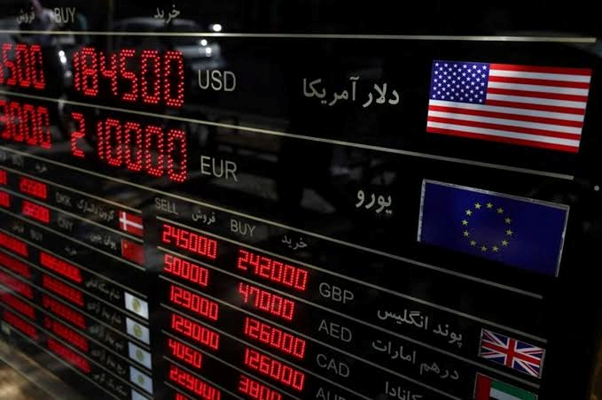
It didn't stop there. Consumer sentiment data from the University of Michigan, also released that Friday, showed Americans growing more pessimistic about the economy, likely weighed down by stubbornly elevated prices. Taken together, weaker jobs, weaker spending, and weaker consumer confidence built a picture that looked increasingly at odds with an economy strong enough to justify tighter monetary policy. By August 17, the Bloomberg Dollar Spot Index had extended its slide to a third consecutive day, hitting its lowest level since May 15 and effectively erasing most of the hawkish repricing that had built up over the previous few weeks.
The Numbers Behind the Move
The scale of the shift in Fed expectations is genuinely striking. Odds of a rate hike next month have fallen from roughly 75% in late July to about one-in-three now — a collapse of more than 40 percentage points in a matter of weeks. That's not a subtle repricing; it's traders essentially reversing course on what they thought was a near-certain policy move.
The currency market reaction has followed accordingly. The euro has been a major beneficiary, rallying for a third straight session and pushing to a two-month high against the dollar as traders position for a less hawkish Fed. The broader US Dollar Index, which tracks the greenback against a basket of major currencies, has been sitting near the lower end of its recent monthly range, with Friday's soft data adding fresh pressure on top of an already fragile setup.
What This Means If You're Watching Currency or Rate Markets
For anyone tracking this space, the key takeaway isn't just "the dollar fell." It's that markets had built in a real probability of tightening, and that probability is now unwinding fast in response to genuinely weak economic signals rather than a change in Fed communication. That distinction matters because it tells you the move is being driven by incoming data, not shifting Fed rhetoric — which means the next few economic releases carry outsized weight for where this goes from here.
If upcoming labor market or inflation data continues to soften, it's plausible the conversation shifts even further, from "will the Fed hike" to "when might the Fed actually consider cutting instead." That would represent a much bigger pivot than what's happened so far, and it's not guaranteed — plenty of individual data points can still surprise to the upside and revive some of the hawkish narrative that dominated late July.
What to Watch Next
Upcoming jobs and inflation reports, since those are what triggered this repricing in the first place and will likely determine whether it continues or reverses.
Fed commentary from officials, particularly any remarks from Chair Warsh or the three dissenting voices from July's meeting, for signs of whether the hawkish camp is reconsidering.How far the euro and other major currencies extend their gains, since sustained dollar weakness tends to show up first and most clearly in major currency pairs before broader market narratives catch up.
Latest Posts