

DIY Skincare Safe, Affordable, and Effective Recipes for Naturally Glowing Skin
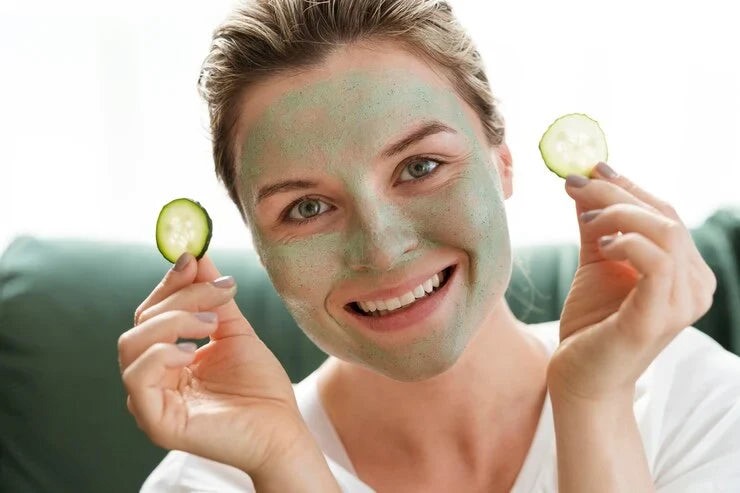
When used correctly, simple household items like honey, oats, yogurt, tea, and oils can deliver amazing results without the cost or chemicals. However, while DIY skincare can be refreshing and rewarding, it’s essential to follow safe practices and avoid common pitfalls. Here’s a complete guide to crafting your own skincare formulas confidently and wisely.
1. Why DIY Skincare Is Worth Trying
Creating your own skincare products puts you in control of what goes on your skin. You can skip synthetic fragrances, parabens, and harsh preservatives—perfect for people with sensitive skin or those looking for cleaner beauty alternatives.
Natural ingredients such as honey, oat flour, aloe vera, yogurt, and coconut oil are rich in antioxidants, enzymes, and vitamins that gently support your skin barrier. Homemade skincare isn’t just about clean beauty—it’s also about sustainability, mindfulness, and knowing exactly what you’re using every day.
2. Safety Comes First: Learn What to Avoid
Just because something is natural doesn’t automatically make it safe for skin. Some commonly suggested DIY ingredients can do more harm than good. Avoid these frequent offenders:
- Lemon juice: Its high acidity can irritate and damage your skin barrier, causing dryness or sun sensitivity.
- Baking soda: Extremely alkaline and abrasive; it upsets your skin’s natural pH and can cause micro-tears.
- Undiluted essential oils: Even high-quality oils can cause irritation and allergic reactions if not properly diluted with a carrier oil like jojoba, coconut, or almond oil.
Always conduct a patch test before trying any new DIY formula. Apply a small amount to the inside of your wrist or behind your ear and wait 24 hours to ensure no redness, itching, or irritation occurs.
3. DIY Hydrating Face Mask: Oatmeal and Honey Bliss
What You Need
- 2 tablespoons ground oats
- 1 tablespoon raw honey
- 1–2 tablespoons plain yogurt or milk
How to Use
Combine ingredients into a creamy paste. Apply evenly over clean skin and let sit for 15–20 minutes. Rinse gently with lukewarm water and pat dry.
Why It Works
Oats calm inflammation, honey provides natural antibacterial hydration, and yogurt’s lactic acid gently brightens skin. Perfect for soothing dryness and irritation.
4. DIY Exfoliator for Radiant Glow: Sugar and Olive Oil Scrub
Ingredients
- 2 tablespoons fine sugar
- 1 tablespoon olive oil
- Optional: 1 drop lavender or tea tree essential oil (well-diluted)
Directions
Gently massage onto damp skin for 30–60 seconds in circular motions. Rinse away with warm water and pat dry.
How It Helps
Sugar exfoliates dead cells and promotes circulation; olive oil ensures your skin stays moisturized and soft. Great for dull complexions or dry areas like elbows and lips.
5. DIY Toner to Refresh and Balance: Green Tea & Rose Water
What You’ll Need
- ½ cup brewed green tea (completely cooled)
- ¼ cup rose water
- Optional: 1 teaspoon witch hazel (for oily skin)
How to Prepare
Mix ingredients in a clean bottle or jar. Store in the refrigerator for freshness (up to one week).
To Use
Spritz gently on your face or apply using a cotton pad after cleansing.
Benefits
Green tea is antioxidant-rich and soothes inflammation, while rose water hydrates and balances pH. This gentle formula refreshes tired, stressed skin instantly.
6. DIY Acne Spot Treatment: Aloe Vera and Tea Tree Rescue Gel
Ingredients
- 1 tablespoon pure aloe vera gel
- 2–3 drops diluted tea tree oil (always mix with water or aloe base, never apply pure)
Usage
Dab a bit onto blemishes before bed. Do not rinse immediately—allow it to sit overnight.
Why It Works
Aloe reduces redness and encourages healing, while tea tree oil provides antibacterial properties that target acne-causing bacteria naturally.
7. Smart Storage and Shelf Life Tips
Homemade products lack preservatives, so freshness is key.
- Store most mixes in a fridge and use them within 5–7 days.
- Always use clean spoons or spatulas—avoid dipping fingers into jars.
- Keep scrubs and oil-based products in airtight containers to extend lifespan.
Watch for changes in smell, color, or texture—these often signal it’s time to discard and remake.
8. Listening to Your Skin
Every skin type is unique—and even within the same person, skin changes based on environment, hormones, and stress. If you experience burning, itchiness, or irritation at any point, rinse off immediately and discontinue use.
Learning to read your skin’s subtle signals helps you refine your DIY formulas over time. The key is consistency and mindfulness, not perfection.
Conclusion
DIY skincare offers an incredible opportunity to reconnect with natural ingredients, save money, and craft personalized treatments that suit your skin’s needs. With the right recipes and precautions, your kitchen can become your beauty lab—simple, effective, and deeply satisfying.
Just remember: natural doesn’t always equal risk-free. Always patch-test, research ingredients, and maintain hygiene in preparation and storage. When done mindfully, DIY skincare can give you glowing, nourished skin—and the joy of creating your own self-care rituals from scratch.
Latest Posts