

Cyberattack Pushes Supermarket Freezers to 50C Across Europe, Hitting Stores in Sweden, Belgium, Luxembourg and Beyond After a Similar Attack in France Last Month
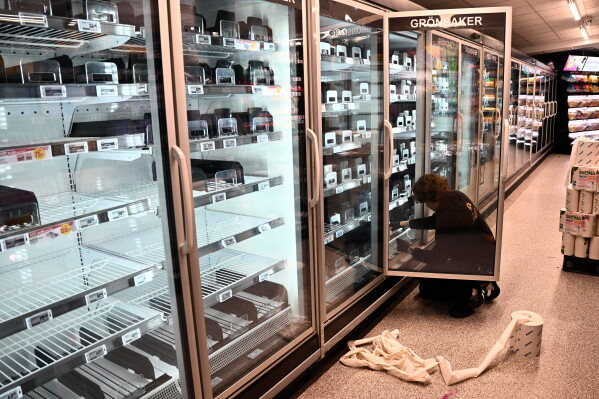
The attack had reportedly turned the fridges into ovens, having raised the temperature remotely up to 50 degrees Celsius (122 degrees Fahrenheit), resulting in frozen goods being spoiled and staff disposing of the ruined goods without any hope of salvaging. Occurring roughly three weeks after a similar attack occurred in France, authorities and retailers have recognized the pattern and continue to investigate the incident, with no individual group having claimed responsibility for the incident so far.
Table of Contents
1. What Happened Overnight
2. Where Stores Were Hit
3. The French Attack That Came First
4. How the Attacks Appear to Work
5. Retailers and Officials Respond
6. What Is Known and What Is Not
7. Remote Monitoring: Convenience Against Risk
8. What Shoppers and Businesses Should Take From This
9. Conclusion
What Happened Overnight
Monitoring systems and staff began to report alarming signs from early hours of Monday, with noticeable abrupt temperature spikes in fridges and freezers of supermarkets. Soon after, within a few hours, retailers began to report similar situations with equipment that used to hold products below zero, now reporting temperatures of about 50°C. Social Media quickly began to buzz with stories and complaints of fridges and freezers being hacked and locked at higher temperatures.
While majority shops affected by the attack continued to remain open, refrigerated products had to be totally discarded, a loss that impacted the retailers and the customers in a limited capacity. Carrefour Belgium's spokesman Mich Vergauwen was observed taking a blunt stance about the incident citing it as a clear case of cyberattack without any other possible explanation and downplaying the scale of the attack’s impact.
Where Stores Were Hit
The recent attacks were spread across seven countries, but the actual on ground impact remained far more modest as compared to the earlier French incident. Delhaize, owned by Ahold Delhaize, was amongst the most widely hit retail chain from the incident and witnessed disruptions across over 40 stores. The company explained the disruption as an IT incident that affected refrigeration systems and caused losses in several dozen stores.
|
Country |
Retailers and details reported |
|
Sweden |
ICA said a limited number of stores were affected; Coop reported six stores in central Sweden; Axfood said freezers at a home-delivery distribution centre near Gothenburg were hacked |
|
Belgium |
Delhaize and Colruyt reported dozens of stores affected; Carrefour said 15 of its roughly 700 Belgian stores were hit; an Ikea store in Mons was also affected |
|
Luxembourg |
A few Delhaize stores affected |
|
Estonia |
An unnamed supermarket chain, with temperatures set to 50°C according to a technology supplier |
|
Ireland |
Several stores reported disruptions |
|
Netherlands and Finland |
Smaller numbers of stores, according to BBC-based reports |
The French Attack That Came First
Roughly one and a half month ago on October 12, Supermarkets in France were also similarly struck with a similar cyberattack on refrigeration systems that raised temperatures of fridges to 50°C resulting in large amounts of spoiled food as well as fires in some cases. Carrefour was among the chains badly hit, and boxes of spoiled food were photographed outside shops in Paris the next day. Investigations following the attack revealed that hackers had primarily targeted and compromised internet-exposed remote controllers for cooling equipment to cause the disruption.
|
Feature |
France, October 12 |
Europe, November 2 |
|
Scale |
Hundreds of supermarkets |
Dozens of stores across at least seven countries |
|
Temperature |
Up to 50°C |
Up to 50°C |
|
Consequences |
Spoiled food and fires at several stores |
Spoiled food; stores mostly stayed open |
|
Reported entry point |
Internet-exposed remote controllers |
Under investigation; early reports point to similar systems |
|
Claim of responsibility |
None reported |
None reported |
How the Attacks Appear to Work
Supermarkets tend to connect their refrigeration systems to the internet in order to regularly receive and update maintenance firms as well as to allow remote management by head offices as well as managers in certain situations. The recent hit largely impacted devices that originated from a Danish company, Danfoss whose controllers were also reportedly involved in France, while the company continued to practise its operations while the investigation is underway.
What’s most remarkable about these cyberattacks focuses on how little they seek to cause damage and disruption. The attack can simply be rooted without requiring theft of customer data or a significant ransom note, while simply causing chaos through rising set-point temperatures, a product sabotage that costs retailers significant margins of inventories, regardless of whether their doors remain open or shut following the attack.
Retailers and Officials Respond
Belgium's Centre for Cybersecurity was prompt in acknowledging the incident and Belgian authorities have already begun an investigation focused towards the latest attack targeting supermarket refrigeration systems. Swedish retailers also confirmed that stores with refrigeration systems had been attacked and Belgian and Estonian authorities attributed the system failures to a cyberattack. As things stand, retailers continue to conduct deeper investigations into their total loss while report estimates have described millions of dollars of spoiled food across the affected countries, an astonishing figure that awaits confirmation from official authorities.
What Is Known and What Is Not
|
Established |
Not yet established |
|
Freezers in several countries were set to 50°C overnight on November 2 |
Who is responsible |
|
A similar attack hit France on October 12 |
Whether the same actors carried out both attacks |
|
Retailers in Belgium, Sweden and Estonia attribute the cause to cyberattacks |
The exact entry point and equipment involved |
|
Stores mostly stayed open |
The total financial loss |
Remote Monitoring: Convenience Against Risk
|
Benefit of remote access |
Risk it creates |
|
Maintenance firms can fix faults without a site visit |
Internet-exposed controllers can be found and targeted |
|
Head offices can monitor temperatures across many stores |
One compromise can affect many stores at once |
|
Alerts reduce spoilage from equipment failure |
Attackers can change settings as well as read them |
|
Lower servicing costs |
Weak access controls can turn a convenience into an attack route |
What Shoppers and Businesses Should Take From This
For shoppers, the impact was minimal. The affected stores were quick to inspect and replace their inventories while adequately updating their customers as well. Retailers and equipment suppliers on the other hand received a stark reminder of how vulnerable their refrigeration and building-control systems connected to the internet are while having to employ stricter measures to secure this from repeating in the future.

Following the incident, released industry guidelines have advised retailers and users to minimize or remove direct internet exposure while companies have rushed towards tighter authentication requirements and segmenting interactions over the internet while maintaining manual alarms and backup temperature monitoring in place. Now whether these measures provide fruitful security or fail to secure machine’s functioning continues to remain a dilemma for the future.
Conclusion
If you’re in cyberspace or on the side of the hackers and attacker, a freezer would inevitably appear as an unglamorous target, and that fact is what makes these attacks concerning. Gaining access to the thermostats of supermarkets in several countries wasn’t simply a display of intention but of their ability to cause disruption without stealing a single record or requiring manual access to any part of the digital network. The coming days are likely to provide deeper insight with authorities committed to discovering who was behind the attacks as well as how many other systems remain exposed in a similar way, but until those questions are answered, digital appliance owners continue to live their life in threat.
Latest Posts