

Congo's Ebola Outbreak Death Toll Passes 2,476 as Cases Surpass 5,200
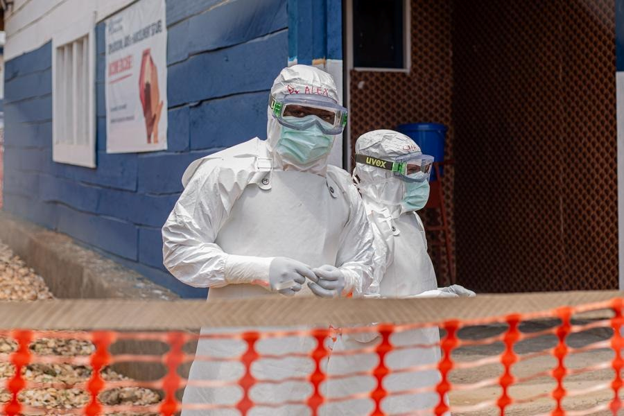
While the numbers keep growing and cases continue being reported despite the country’s immediate and prompt efforts, the country continues burying its citizens amongst the most unstable regions, while health workers strike over unpaid wages and research teams continue striving to develop a treatment or vaccine to contain the mutated virus strain.
Table of Contents
1. What's Confirmed
2. How Fast This Is Moving
3. Why This Outbreak Is Different
4. What's Complicating the Response
5. What Health Officials Are Saying
6. How This Compares to Past Outbreaks
7. Outbreak Progression
8. What's Being Done
9. Conclusion
What's Confirmed
DRC’s Ministry Of Health reported that the country had witnessed over 5,208 confirmed cases and 2,476 deaths as of August 18, 2026, while 730 patients remained hospitalized and 1,115 had successfully recovered after infection. The outbreak has currently impacted a significant tally of 56 of the country’s 151 health zones across six eastern provinces including Ituri, North Kivu, South Kivu, Haut-Uélé, Bas-Uélé, and Tshopo. The report also confirmed the strain being the Bundibugyo strain of the Ebola virus, a rarer variant than the Zaire strain which was responsible for the previous outbreak. And despite DRC’s best efforts to continuously review its figures and investing its best efforts to contain the outbreak, the true scale of the outbreak could definitely exceed the confirmed numbers measured through surveillance. The tally of 2,378 cases as on 18th August also confirmed the current Ebola outbreak as the deadliest in DRC’s history, surpassing the 2,299 deaths recorded during the 2018–2020 epidemic, while also taking only one-third of the previous toll’s duration.
How Fast This Is Moving
The outbreak might be breaking headlines as the deadliest outbreak, but it is also becoming the one with the quickest of infections with case tallies crossing 1,000 on June 20, 2,000 on July 13, 3,000 on July 24, 4,000 on August 7, and 5,000 on August 17, pacing it as the fastest growing Ebola outbreak that was ever recorded in history, according to the WHO. On a similar note, the death toll also witnessed a steep climb with the tally rising from 500 on July 4 to 1,000 by July 22, and 2,000 by August 9 with a steep majority occurring in a single three-week stretch between late July and early August.
DRC also current stands at a case fatality ratio near the 47% mark, being the highest for recorded Ebola outbreaks till date, a strong reflection of the intense impact of the Bundibugyo strain in this outbreak and the country’s struggle to place measures to make treatment accessible to patients in remote, unstable areas.
Why This Outbreak Is Different
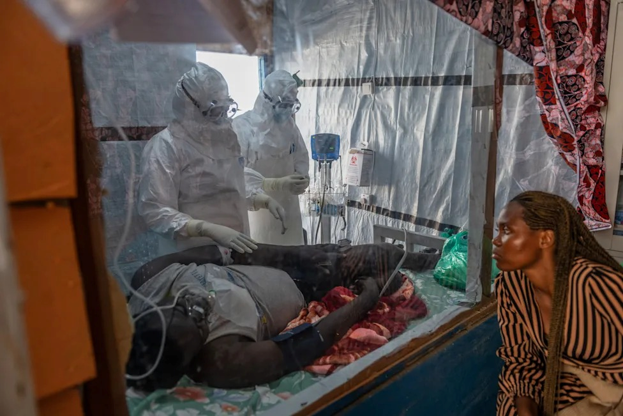
DRC isn’t experiencing an Ebola outbreak for the first time, in fact, the previous one ended just recently in February but is witnessing a mutated strain resisting treatments for the first time. During previous outbreaks, the vaccines and treatments that were used to end older outbreaks were often found effective, since they were built around the Zaire strain of the virus. And with the Bundibugyo strain being responsible for the current outbreak and no approved vaccine or treatment being approved as on date, the danger seems to be growing greater by the passing day. As on date, researchers have begun running a clinical trial, known as PARTNERS, attempting to use the antiviral remdesivir alongside the MBP134 specifically for the newest strain, but that process continues to remain in the trial phase, a step too far away from it becoming an approved intervention.
What's Complicating the Response
This particular outbreak has presented itself with a range of complications unlike any outbreak before, and DRC’s government continues its best efforts to resolve:
1. Active armed conflict: While the country is engulfed in the Ebola outbreak, the eastern DRC is also undergoing military tensions between the Congolese military and the Rwanda-backed M23 militia, which has led to displacement of communities and making certain regions inaccessible or difficult to reach for providing emergency services and treatment.
2. Health worker strikes: The country’s healthforce is also revolting through a strike mainly due to unpaid wages, causing further strain on the system, especially during the active outbreak situation.
3. Weak surveillance infrastructure: The newer cases being identified are usually outside of the circles or groups that are under surveillance, meaning the surveillance teams are still tracking transmissions instead of being ahead of the cycle.
4. Remote, unstable terrain: Ituri Province, the region with greatest fatality is also experiencing violence, mainly with health workers as targets, reducing the possibility of providing the region with assistance.
What Health Officials Are Saying
WHO Director-General Tedros Adhanom Ghebreyesus addressed the outbreak directly at an emergency committee meeting this week, telling attendees the situation is far from being under control. The Africa Centres for Disease Control and Prevention was similarly blunt in a statement, saying “the outbreak's trajectory over the past three months had exceeded our gravest expectations”, and warned that “without an urgent shift in trajectory, it could become the deadliest Ebola epidemic ever recorded worldwide”, a threshold currently held by the 2014–2016 West African outbreak, which killed more than 11,000 people.
How This Compares to Past Outbreaks
|
Outbreak |
Years |
Deaths |
Notes |
|
West Africa |
2014–2016 |
11,310+ |
Largest Ebola outbreak on record globally |
|
DRC (current) |
2026 |
2,378+ (ongoing) |
Deadliest in DRC history; fastest-growing on record |
|
DRC |
2018–2020 |
2,299 |
Previously the deadliest in DRC history |
|
DRC |
2019 (partial data) |
1,357 |
Reported mid-outbreak, for reference |
What's Being Done
Doctors Without Borders (MSF) has dispatched over 1,400+ staff members to aid DRC in its response and joined forces along other medical organizations in order to provide treatment in affection regions, infection prevention training for health workers, and community engagement efforts to raise awareness of symptoms and the need for care. In the meanwhile, the WHO has upheld its public health emergency of international concern designation in place, while emphasizing on the risk of the outbreak spreading to additional countries in the region.
The most significant recent development came on August 20, when the WHO and Africa CDC announced the allocation of Ebola vaccines to the DRC. A sigh of relief after months of meaningful research with no significant approval on the Bundibugyo strain. The new Ebola vaccine also became the first concrete vaccine response being made available across the region since the outbreak. Patient enrollment for scientific trials of the vaccine are also underway and a diagnostic test to test the strain has also been added into the Emergency Use Listing of the WHO.
Conclusion
DRC Congo is witnessing not only its deadliest Ebola outbreak but also possibly the deadliest this world has ever seen and with the tally jumping by a thousand deaths every one or two weeks, the situation looks to be far from over. And while the virus continues making headlines, the country is further being affected by a lack of approved vaccine, areas of conflict impacting availability of support and a strainer health workforce revolting for its rights, making the outbreak much more difficult to contain than the previous ones. The vaccine allocation starting August 20 is amongst the best news the region has witnessed over the past two months, but it arrives after the outbreak became the deadliest in DRC’s history. Now whether the vaccine is able to bend the curve or limit the outbreak from becoming the worst the world has seen is something to watch for in the coming weeks.
Latest Posts