

Conflict Widens as Baghdad and Doha Struck
What Just Happened in Baghdad and Doha
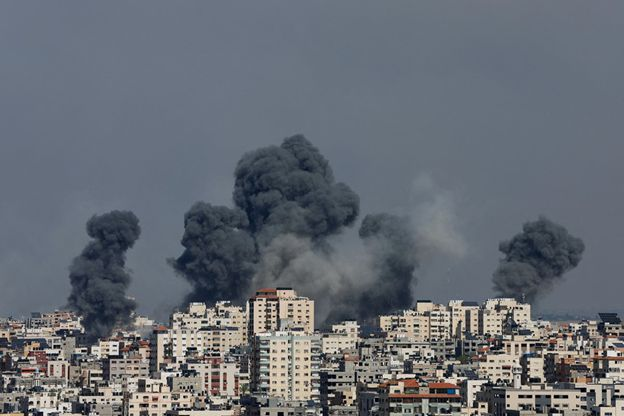
Baghdad drone and missile attacks have struck at the Green Zone's high-security city in Iraq (the U.S. Embassy compound), with multiple strikes reported having taken place there in a span of three days. According to Iraqi officials, air defence systems were able to intercept some of the incoming projectiles but at least one projectile exploded within the U.S. Embassy compound resulting in some smoke coming from that area of Baghdad. Just before these strikes, the Al-Rasheed Hotel, located in Baghdad and frequented by diplomats, was hit by a drone that killed a number of people, including what has been reported to be Iranian advisors, as well as other casualties resulting from the drone attack on the Al-Jadiriyah district of Baghdad.
In what seems to be simultaneous activity, projectile (ballistic) missile attacks originating from within Qatar were intercepted by systems in Qatar. Projectiles (13–14) and drones were detected over the capital of Qatar and the majority were intercepted; however, debris from these attacks has resulted in fires occurring in areas of industry and unpopulated areas around the city of Doha, which has resulted in evacuation orders being issued to those living near the city and a rare alert for all of Qatar has been issued due to these missile and drone attacks.
Simultaneously occurring missile attacks and drone attacks highlight the ever-expanding nature of this US-Iran confrontation (with the US and Israel) that has unfolded from the joint US-Israel military incursions into Iran that resulted in the death of Iran's supreme leader at the end of February.
From Flashpoint to Regional Theatre
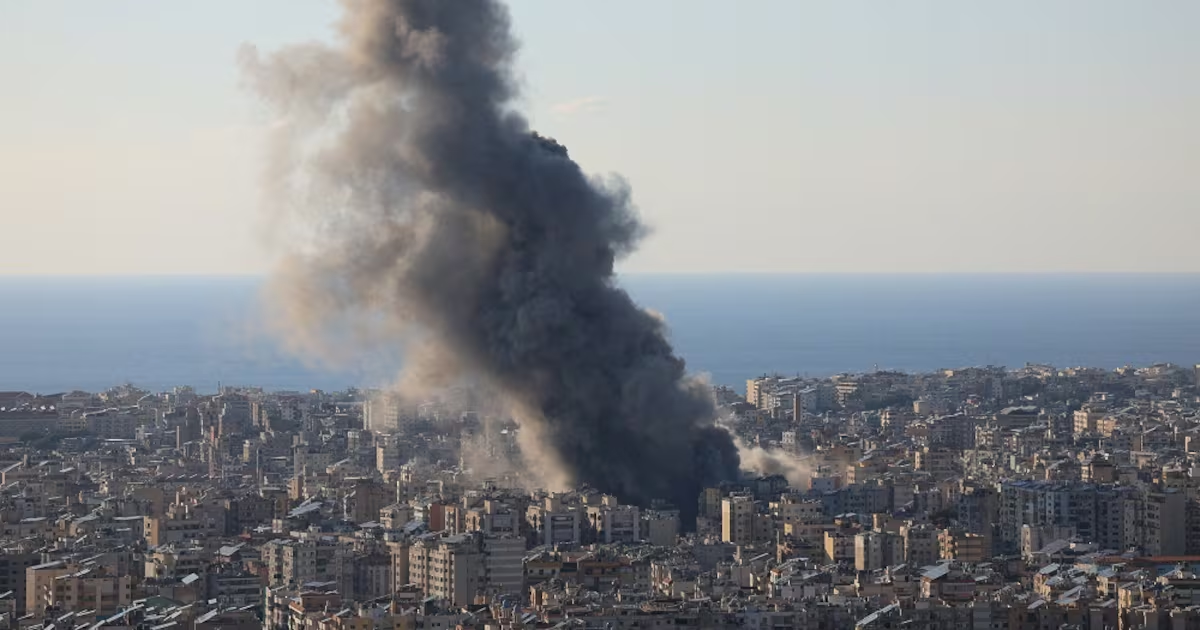
Initially, strikes against Iranian targets only took place on Iranian land, but now, US strikes against Iranian militia targets have spread throughout Iraq and Qatar and into the UAE, Saudi Arabia, Bahrain, and into cities in Israel. Iranian forces, specifically the Islamic Revolutionary Guard Corps (IRGC), claimed responsibility for both missile and drone launches toward both Israel and US service members serving in Iraq and Kuwait, as well as in Iraqi Kurdistan and at locations throughout the Gulf region.
As a result of the recent conflict escalation in the Middle East, the implications are evident in the air and on the ground. The result has included intercepted drones flying above Dubai and Abu Dhabi, fires caused by debris falling into the oil production zone in Fujairah, and temporary closing of airspace around major airports considered "hubs." For businesses, the military updates being discussed are not simply military developments; they are impacting logistics reliability and insurance costs for clients.
Energy Markets and Risk Premiums
As expected, rising tensions in the Middle East have driven up regional oil prices. Iran recently threatened to close the Strait of Hormuz, which is the route for approximately one-fifth of the world’s seaborne oil and LNG, and traders are reacting quickly with a premium on risk associated with a potential escalation in armed conflict. Prices for both WTI and Brent crude oil increased dramatically following the initial attacks on Iran by the U.S. military and Israel, and remain elevated as the fighting has moved toward key production or export facilities throughout the region.
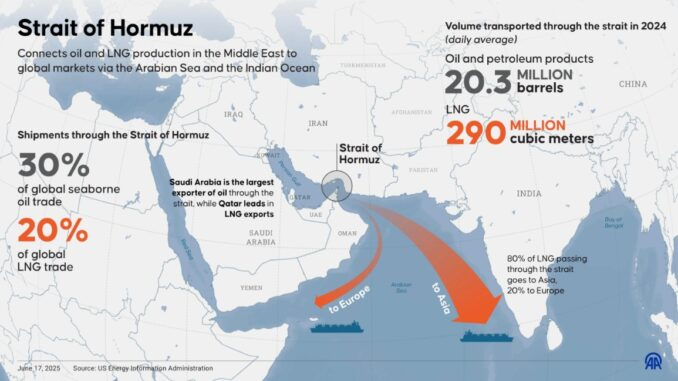
In addition to prices being driven upward by the threat of conflict near facilities in southern Iraq and Fujairah, as well as through failed attacks against Saudi oil installations, traders are now pricing in not only the probability of physical disruptions to business caused by armed conflict and terrorism, but also the chance that there may be collateral damage to infrastructure required for transporting oil through pipelines, terminals or shipping lanes. This represents a substantial cost increase for companies that purchase fuel and rely on transportation services around the world.
The Indian POV: Energy, Diaspora and Flight Paths
The energy security situation in India is three-fold. First, the majority of India's crude oil imports come from the Gulf region. A sustained $10 increase in crude oil prices will place significant additional pressure on India's current account balance, inflation rate, and budget deficit.
Secondly, millions of Indian expatriates work in Iraq, Qatar, the UAE and Saudi Arabia. As such, missile alerts/signals relating to Qatar or evacuation orders for India Relating to Iraq/Lebanon imply immediate consular services, as well as remittance issues.
Finally, aviation route changes affecting the Gulf region will cause further challenges in international passenger and freight transport operations. Flight delays due to brief air space closures affecting airline routes between India, Europe and North America require alternative routing for increasing numbers of airlines from India (as well some large importers) resulting in higher operating costs than previously expected. All Indian refiners, airlines and large importers must also review their fuel hedging strategies, plan for alternative routing options and update inventory management systems in anticipation of additional disruptions as a result of the ongoing war in Iraq and the US-led coalition to counteract such disruptions.

What a Business-Aware Reader Should Watch Next
When searching for a digital-first audience with a business orientation, it is important to go beyond the daily casualty count and analyze three fluid aspects of each event:
- Will military action commence to shift from attacking diplomatic and military targets to specifically targeting critical energy infrastructure in Iraq, Qatar, the UAE, or Saudi Arabia?
- How long might airspace restrictions or embassy evacuations near Baghdad and Doha last; particularly in relation to major airports within the Gulf region?
- If the conflict expands throughout Baghdad and Doha, will the global market rebalance between oil, secure-haven assets such as gold and U.S. Treasury bonds, and speculative assets?
This is the time for Indian companies and investors to perform quiet stress tests on their exposure to Gulf supply chains and energy inputs as well as expatriate-based operations prior to being forced into hasty decisions as a result of future headline news.
Latest Posts