

Common Cold Cases Surge to Highest Rate Since 2019, According to CDC-Linked Testing Data
Recent CDC-linked testing data indicate that rhinovirus/enterovirus activity has been increasing nationally, adding to the broader picture of changing respiratory-virus circulation in the United States. The development comes as health authorities continue monitoring seasonal respiratory illnesses, including influenza, respiratory syncytial virus (RSV), COVID-19 and viruses responsible for many ordinary cold symptoms. The trend is noteworthy because rhinoviruses are the most frequent cause of the common cold. However, experts caution against interpreting a rise in positive respiratory-virus tests as meaning that every person with a runny nose or cough has the same infection. The common cold is actually an umbrella term for a group of viral infections affecting the upper respiratory tract. According to the CDC, more than 200 respiratory viruses can cause cold symptoms, with rhinoviruses among the most common.
What the Latest Data Show
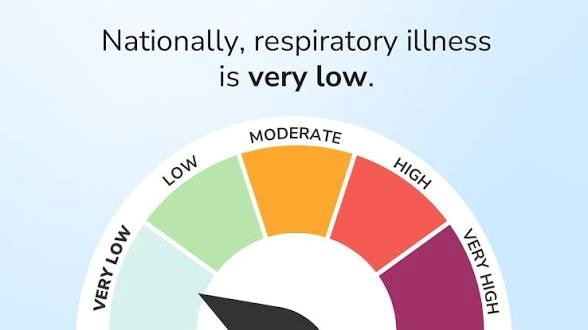
The CDC's respiratory-virus surveillance system tracks several indicators to understand how respiratory illnesses are circulating. Its latest national update, published October 2, 2026, reports that rhinovirus/enterovirus activity is increasing nationally, alongside an increase in group A streptococcal activity. At the same time, overall acute respiratory illness causing people to seek healthcare remains at a very low level.
That distinction matters.
An increase in a particular virus does not automatically translate into a nationwide wave of severe illness. Surveillance systems measure different aspects of respiratory disease, including laboratory testing, healthcare visits, hospitalizations and other indicators. The CDC's National Respiratory and Enteric Virus Surveillance System, or NREVSS, collects weekly information from participating laboratories. These laboratories report the number of respiratory-virus tests performed and how many produced positive results. The system helps public-health officials identify changes in viral circulation and seasonal patterns. In other words, testing data can provide an early signal that a virus is becoming more prevalent even when hospitals are not seeing a corresponding surge in severe disease.
Why Rhinoviruses Matter
Rhinoviruses are closely associated with the common cold and are responsible for a substantial share of everyday respiratory infections. They are highly contagious and can spread through respiratory droplets, close contact and contaminated surfaces followed by touching the eyes, nose or mouth. Because people can catch different cold-causing viruses repeatedly, having one cold does not necessarily provide lasting protection against future infections.
Typical symptoms include:
- Runny or blocked nose
- Sneezing
- Cough
- Sore throat
- Headache
- Mild body aches
- Low-grade fever, particularly in some children and adults
The CDC notes that cold symptoms generally peak within two to three days after infection and commonly resolve in less than a week. For most healthy adults, a common cold is uncomfortable rather than dangerous. But the story becomes more complicated for young children, older adults and people living with certain underlying health conditions.
A Cold Is Not the Same as Flu or COVID-19
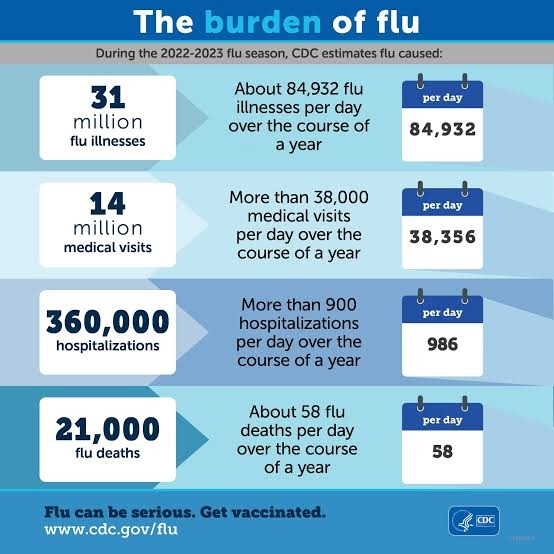
One of the biggest challenges during respiratory-virus season is distinguishing between illnesses that initially look similar. A person with a cold may experience congestion and coughing. Someone with influenza can have many of the same symptoms, sometimes accompanied by fever, chills, body aches and pronounced fatigue. COVID-19 can also produce cold-like symptoms. This overlap makes symptom-based self-diagnosis unreliable. The CDC specifically notes that influenza and SARS-CoV-2 do not cause the common cold, although both can cause cold-like symptoms. Importantly, flu and COVID-19 can be more likely than an ordinary cold to result in severe illness, particularly among people at higher risk. For someone experiencing respiratory symptoms, testing may therefore be useful when the result could influence treatment or precautions. This is particularly important for people at higher risk of complications because antiviral treatments are available for influenza and COVID-19 and generally work best when started soon after symptoms begin.
Why Respiratory Virus Trends Can Change Quickly
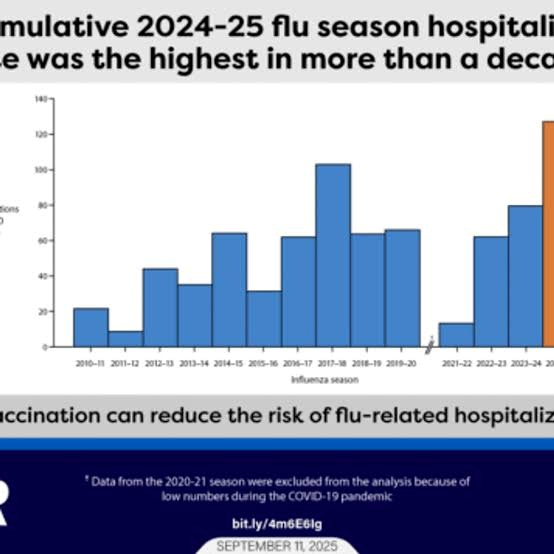
Respiratory viruses do not circulate at exactly the same levels throughout the year. Weather, indoor gatherings, school and workplace interactions, travel and population immunity can all influence transmission patterns. Different viruses can also peak at different times. The CDC's broader respiratory-virus surveillance shows this complexity. As of the October 2 update, COVID-19 activity remained elevated in some regions but was declining nationally. Seasonal influenza activity was low but increasing, while RSV activity remained very low in most parts of the country. This means the current increase in rhinovirus/enterovirus activity should be viewed as one part of a larger respiratory-health picture, rather than evidence that the country is experiencing a generalized respiratory crisis.
Should People Be Worried?
For most healthy people, there is no reason to panic over an increase in common cold viruses. A rise in rhinovirus activity can mean more people develop familiar symptoms such as congestion, sneezing and coughing. It can also mean increased absenteeism from workplaces and schools, particularly when infections spread through households and communities. Still, respiratory infections can occasionally lead to complications. The CDC lists sinus infections and middle-ear infections among possible complications of viral respiratory infections. In some cases, respiratory viruses can contribute to bronchitis, pneumonia or worsening of underlying conditions such as asthma and chronic obstructive pulmonary disease. That is why the severity of symptoms matters more than simply knowing that a particular virus is circulating. People experiencing difficulty breathing, persistent or worsening symptoms, dehydration, significant weakness or other concerning symptoms should seek medical advice rather than assuming they have an ordinary cold.
How to Reduce Your Risk
There is no universal vaccine that prevents the common cold because so many different viruses can cause it. However, everyday prevention measures remain useful. Regular handwashing can reduce the chance of transferring viruses from contaminated surfaces to the nose, mouth or eyes. Covering coughs and sneezes, improving ventilation and avoiding close contact with people who are visibly ill can also help reduce transmission. Staying home when sick is particularly important. Continuing normal activities while coughing and sneezing around colleagues, classmates or family members can create opportunities for viruses to spread. The CDC recommends everyday measures such as hand hygiene, covering coughs and cleaning frequently touched surfaces as ways to reduce respiratory-virus transmission.
The Bigger Picture
The latest data offer an important reminder that respiratory illnesses are constantly changing. While headlines about the common cold can sound alarming, the underlying surveillance picture is more nuanced. Rhinovirus/enterovirus activity is increasing nationally, but overall acute respiratory illness remains very low, according to the CDC's latest respiratory-virus update. For the public, the practical takeaway is simple: an increase in cold-causing viruses does not necessarily mean a serious health emergency is developing. Instead, it is a reason to remain aware. Good hygiene, staying home when sick and paying attention to symptoms remain sensible precautions. People at higher risk of complications should be particularly careful about distinguishing an ordinary cold from illnesses such as influenza or COVID-19, where early testing and treatment may matter.
Ultimately, the common cold remains common for a reason. Hundreds of viruses can cause respiratory symptoms, and exposure is difficult to avoid completely. What matters is understanding the difference between increased viral circulation and increased severe disease. As the respiratory season progresses, continued surveillance will help health officials determine whether the current increase in rhinovirus/enterovirus activity remains localized and seasonal or develops into a broader pattern. For now, the data point toward greater circulation of viruses associated with cold-like illness, rather than evidence of a major surge in severe respiratory disease.
Latest Posts