

China Steps Up Endorsement of Iran Peace Deal Headed to UN Security Council
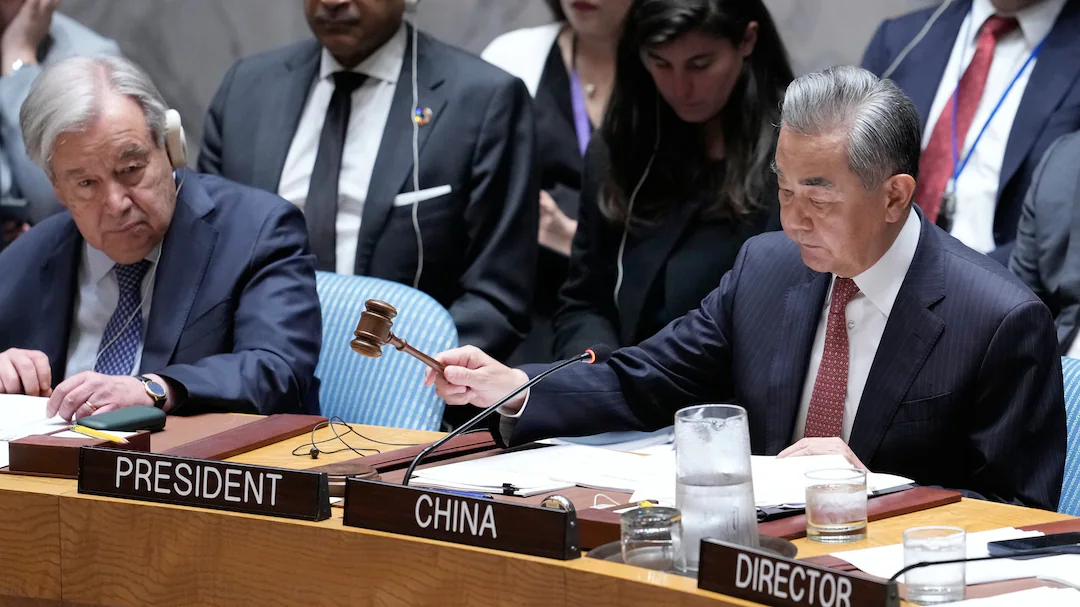
Through its efforts at obtaining this legitimate mandate from the UN Security Council to affect an Iran-China peace treaty, Beijing has created an expectation that future treaties will require international legitimacy in their creation and enforcement. The UN Security Council must play an ongoing role in this process if a durable peace treaty exists between China and Iran.
Why the UN angle matters
China's Foreign Minister has stated that when an agreement is finalized, it will be taken to the Security Council for approval in order to provide legal authority to that agreement rather than just having a political impact. Because un-backed agreements have more legal validity than bilateral or informal agreements; using un-backed agreements defines the terms and monitoring process of ceasefire agreements and guarantees to certain terms following the cessation of war.
For those businesses that follow the news, the UN's approval of an agreement may be more than just procedural; approval by the UN has an impact on regional risk assessments for insurance companies, shipping companies and multinational corporations. A peace agreement without Security Council support may calm the headlines for a single day, however, an agreement with Security Council support will create much greater stability and certainty for trade routes, energy supplies, and cross-border investments.
China’s role is bigger than mediation
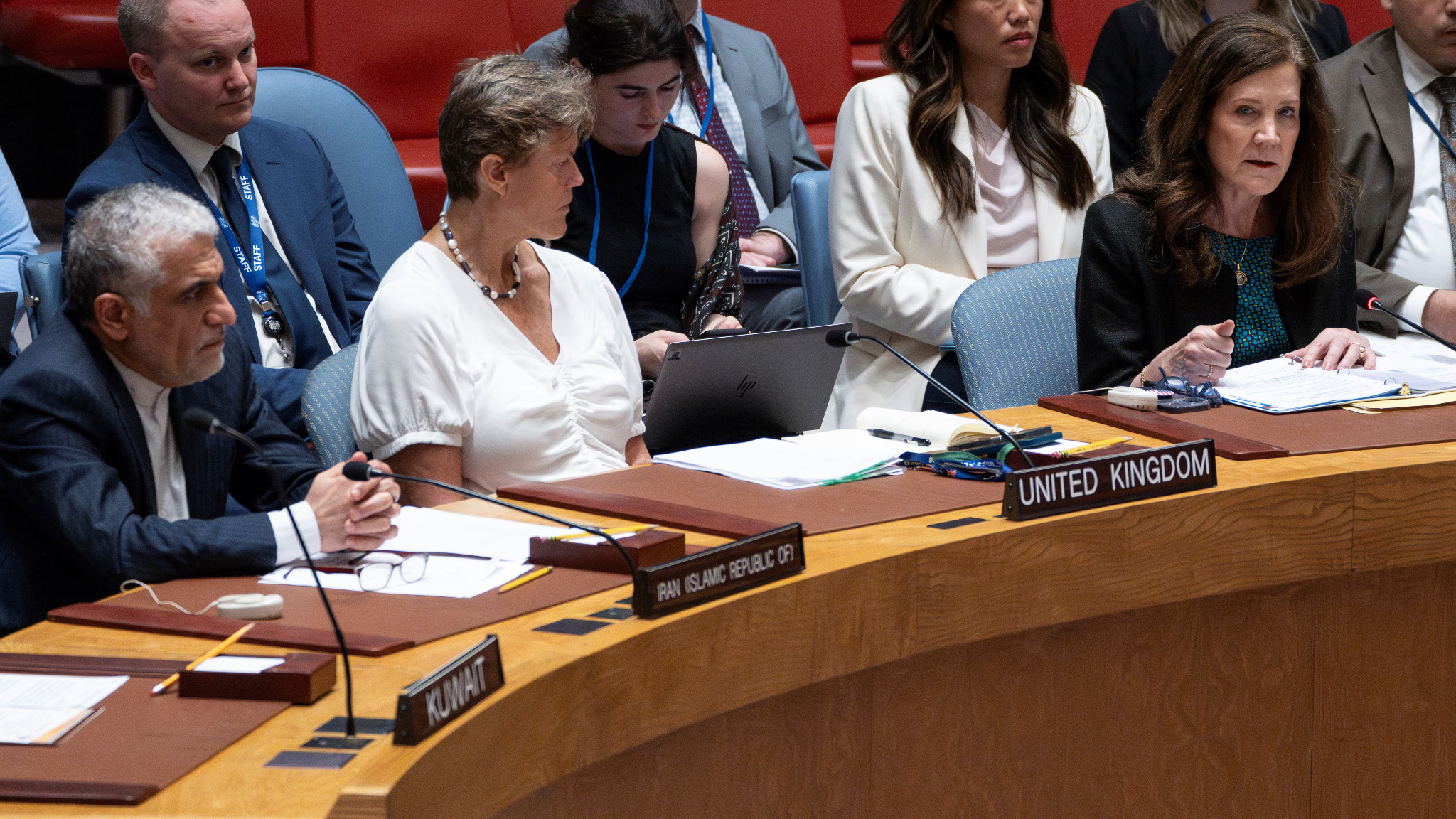
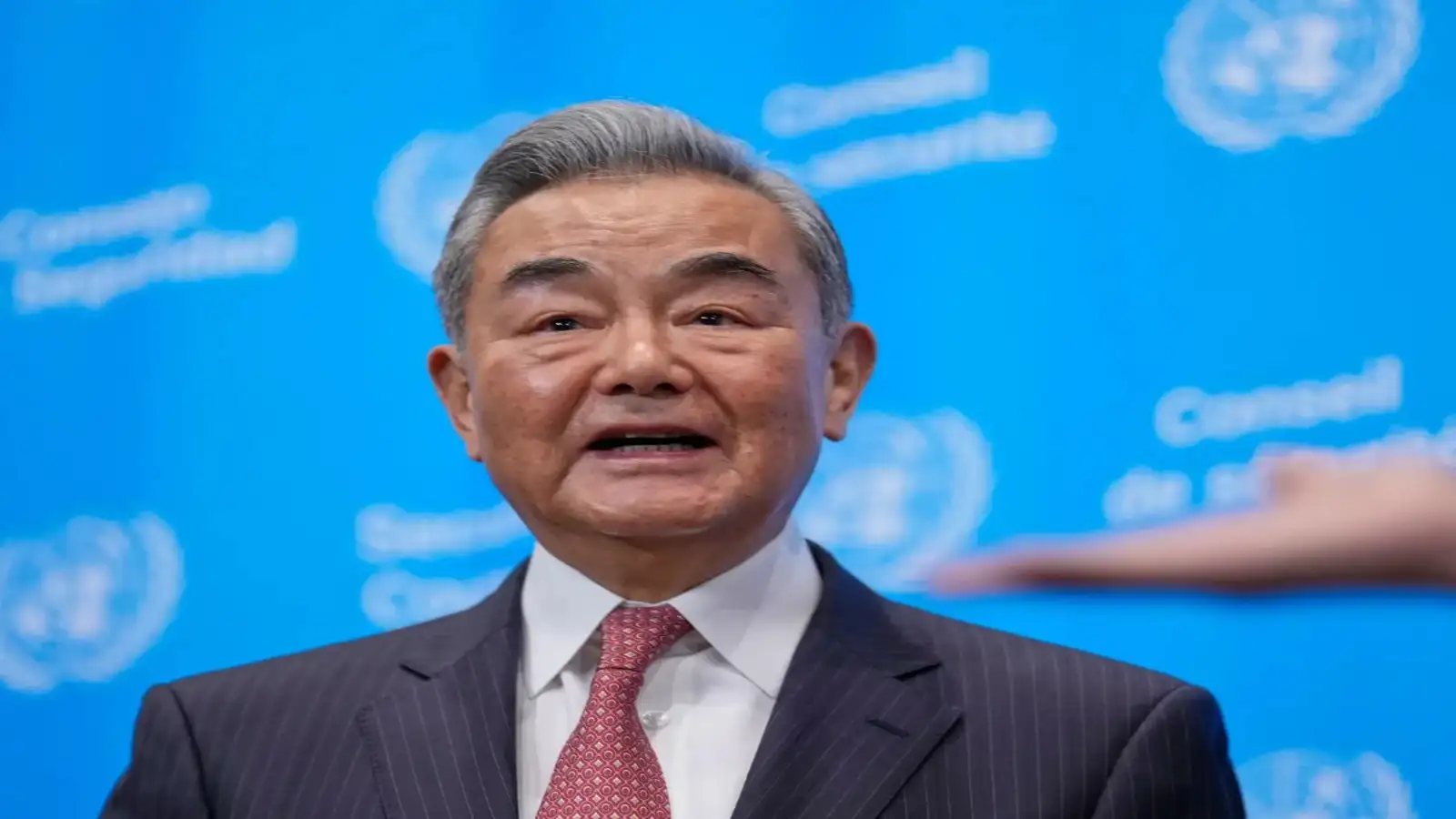
China utilizes its position alongside many other members of the UN to promote diplomatic resolutions for issues in the Middle East. Wang Yi stated at the UN Headquarters that China has a consistent approach to this, viewing themselves as stabilizers, limiting escalation of armed forces, and encouraging movement toward multi-lateral channels of dispute resolution.
In that regard, the Security Council carry great importance to China. It is critical to them that any agreement reached regarding Iran be established as not only a political compromise between competing forces, but also accepted by the world at large. This gives China greater influence within the diplomatic framework of the agreement (Kozyrev 2014).
The commercial stakes are obvious
Energy markets are quick to respond to geopolitical discussions regarding Iran. Whenever the risk of war is perceived to rise or fall, oil prices, shipping insurance, and supply chains in the region are all influenced by this change. A peace agreement progressing towards approval by the UN decreases uncertainty in the market even before the specific details are resolved.
Regional stability is as important to business leaders as it is to politicians. Companies engaged in energy, logistics, maritime trade, or operating in the Gulf do not require a flawless treaty in order for them to have a greater sense of security; they only need an acceptable way to avoid further escalation.
The political reality is more complicated
A UN endorsement is just one step in a larger process; past efforts by the Security Council concerning Iran show there are often divisions within the council concerning sanctions, nuclear monitoring and threats to regional stability. In September 2025, a draft by China and Russia to extend the current sanctions relief expired without passing; this reminded everyone that even with a solid coalition, there are still obstacles in the way.
This history illustrates how far apart we are in terms of what was agreed diplomatically before any actual implementation of agreements. While the actual agreement may be very strong, if there are disagreements between member countries regarding enforcement, sequencing and other guarantees, the approval process may be yet another negotiation in itself.
What to watch next
The next concern is whether the parties can truly come to an agreement and whether China will receive the Security Council's planned support. If a deal is reached (and backed by the Security Council), the deal will be strengthened legally, and will have greater credibility internationally. If an agreement fails to come about, the region will find itself stuck in the same old limbo between an optimistic outlook, and a lack of assurance of a viable future.
If you are an investor or business, the best way to make a good decision is to monitor not only what is reported in the news, but also to pay attention to the process that is developing. Do international accords, for instance, contain cease-fire commitments? Is the Security Council sufficiently united to endorse these commitments? Do regional powers see the agreement as enforceable or merely aspirational? When evaluating actual dangers as opposed to short-term sentiment, these are the crucial signs to take into account.
The bottom line is clear: China wants to ensure that any Iran peace agreement includes a level of institutional legitimacy. In world politics, often the only thing distinguishing between a tenuous pause, and a basis upon which governments and market participants can influence a market, is that an agreement has sufficient legitimacy.
Latest Posts