

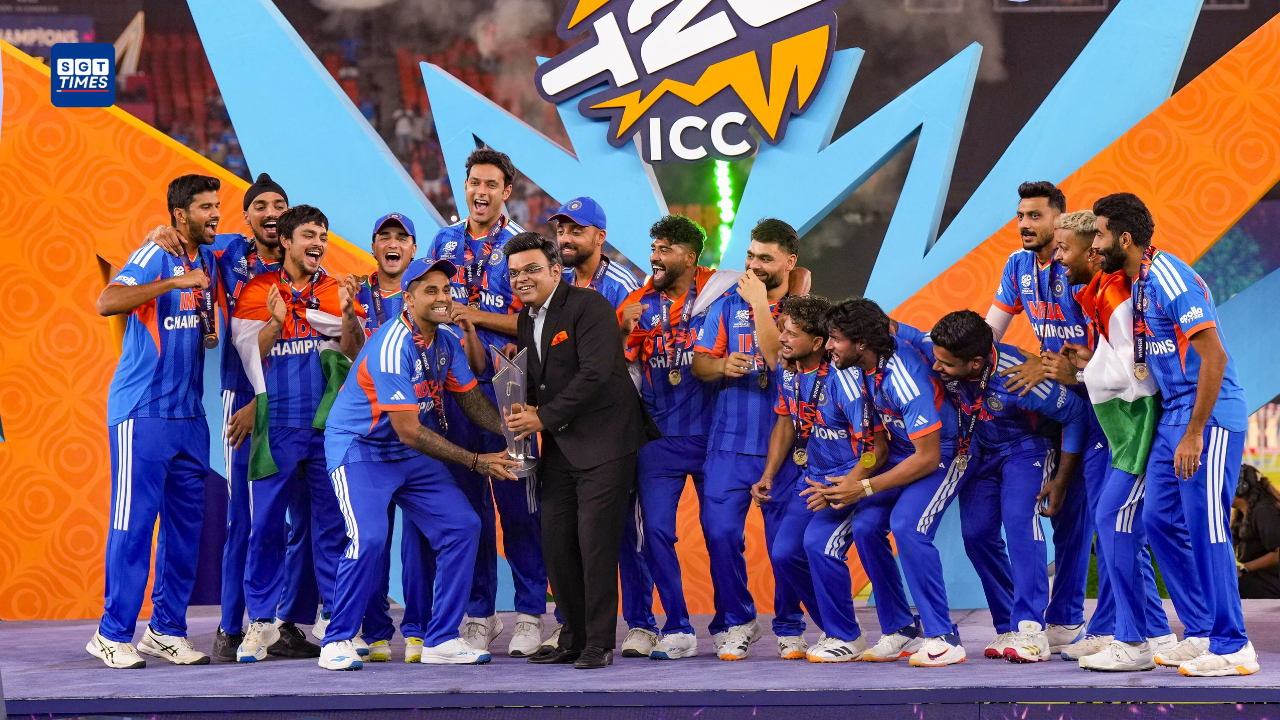
Champions Again India Clinches Record 3rd T20 World Cup
A Sporting Triumph With Economic Ripples
Many headlines are primarily from sports magazines when reporting on an Indian T20 World Cup Championship. However, there will also be plenty of other industries impacted outside of just sports due to such a large global championship victory by India and there will also be many additional industries that receive the benefits of this huge milestone, especially through advertising and OTT streaming service providers (like Netflix), tourism and consumer confidence will improve greatly for at least six months following the victory (if not longer).
After so many past failures when representing India at Global level, finally having this massive success provides to Indian fans sense of pride and accomplishment that they have been sorely needing, and even though creating pride and building confidence do not show on a P & L statement (statistical statements summarizing revenue and expenses of a company), they do reflect in the behaviour of the consumers when making purchase decisions on products and their loyalty to different companies.
Broadcast, OTT, and the Battle for Eyeballs
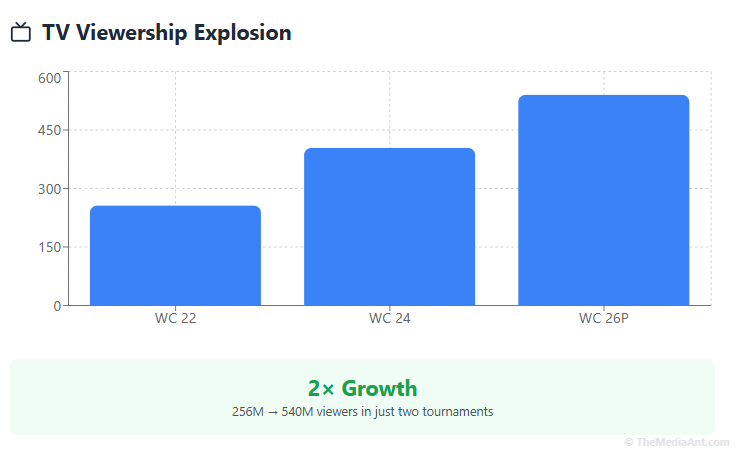
In India, the final of the T20 World Cup was a massive hit for everyone, including the streaming platforms that carried it. Every time a record is broken, another benchmark for rights to live sports is established. For business leaders, this means that cricket shown live on Indian television remains the most valuable piece of real estate in the media business.
What we can expect:
- Indian cricket broadcast rights will continue to be more valuable in the future
- Telecom companies will bundle more aggressively with sports packages for people who buy data
- More experimentation with fan interaction through different languages, fan cameras and data
This will create many opportunities for advertisers to reach potential customers but will also carry its challenges. While demand for cricket advertising during primetime will continue to increase, so will the price. Smaller companies may need to be more clever about how they use their advertising dollars by using regional marketing, digital-only promotions, or supporting influencer-led events rather than by spending money on advertising through traditional forms such as television.
Brands, Sponsorships, and the “Champion Effect”
The brands that have won off the field are already embedded within the sports ecosystem—team sponsors, official partners, kit manufacturers and fantasy gaming companies have a huge opportunity to gain from the India T20 World Cup victory for the next six to twelve months through an increase in:
- Jersey and limited edition merchandise sales will increase the rate at which they are sold out.
- Fintech, Edtech and consumer technology will increase the number of athlete endorsements in their portfolio.
- Every advertising campaign will have a "Champion" story: Every advertisement for EMI, UPI, Credit Cards and other types of banking products will want to 'attach' themselves to a positive association with being a 'Champion' and the winning nature of the brand.
From an Indian perspective, there will be a growing divide between big brands who can 'afford' large cricket sponsorships and MSME's who often cannot, but localized businesses will have opportunities to leverage their relationships with local 'hero' athletes, localized events, partnering with local organizations to screen their events and focusing on localized digital and social media channels versus national television advertising.
The Business of Emotion: Fans, Cities, and Consumption
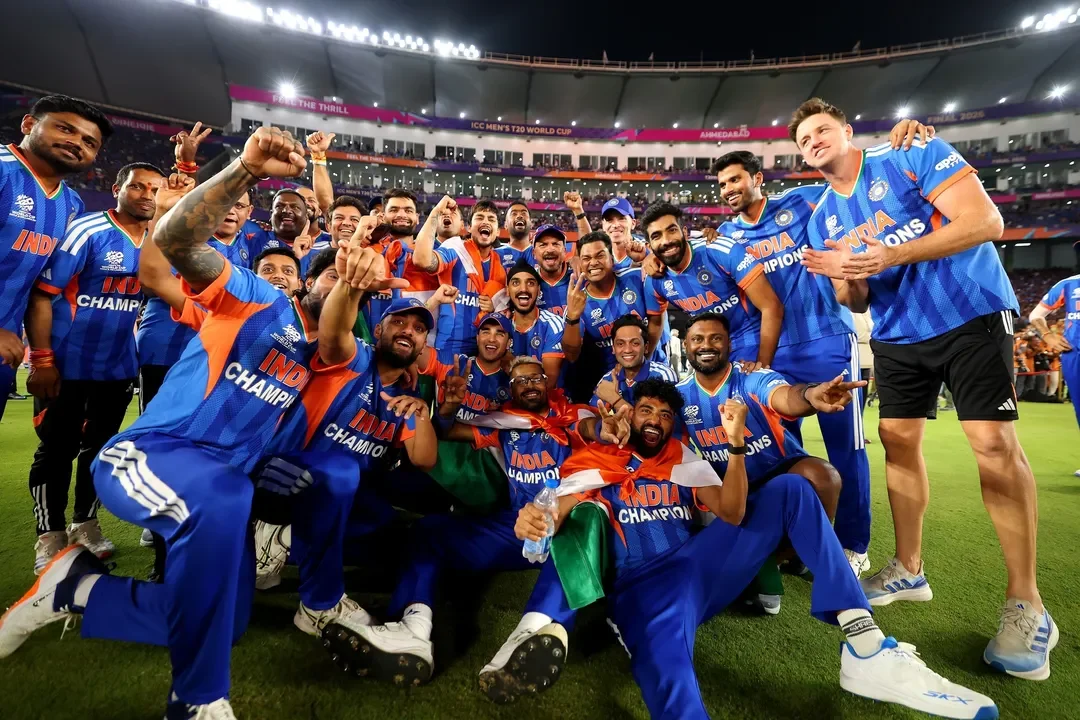
Victory Nights in India do not end at the awards evening. Rather, they continue on the street, at restaurants, at malls and right through to the payment screens of many millions of consumers. They also create demand for various product categories including:
- Food Delivery or QSR Chains
- Smart TVs with Audio Systems
- Hotels or Travel & Hospitality products for future matches or title winning celebrations
The win will further advance the role of Mumbai, Delhi, Bengaluru and Ahmedabad as major hubs for cricket consumption - with stadiums, fan parks, pubs, co-working spaces showing cricket to audiences. Additionally to this, there is also a lifestyle element - where cricket is now “experienced” instead of just being viewed. Therefore, Brands want to be present in this lifestyle space.
Players as Assets: From Sportspersons to Micro-Economies
Today’s cricket players in India have evolved past being simply an athlete to becoming a marketing source with their own micro-economy due to their impact as an athlete through sport marketing/media usage. A World Cup win takes the value of their brand to another level instantly with more followers on social media resulting in higher value endorsement deals and increased value in off-field stories/lifestyles.
This puts businesses in need of making better decisions regarding the athletes they endorse. Do you take the chance simply because you are paying a high price to an established superstar or do you build a relationship with a newer player whose stock just went up from the tournament? As more companies in India expand into other parts of the world, they will be able to utilize the cricketers in ways to help bridge cultural gaps, most notably in countries with large South Asian populations.
India’s Soft Power and Global Business Positioning
Winning the third T20 World Cup title strengthens India’s status as a global soft power in sport while simultaneously creating opportunities for India to position itself as a leading global economic and digital hub. It also strengthens narratives about:
- India being the world’s largest consumer market.
- India hosting large, international events.
- India as a major player in the world of storytelling through streaming and sports content.
This win will not impact GDP, however it will change perceptions—and perceptions frequently occur before policies change. Global companies will begin to see India as an attractive market in the world—not just in terms of products—but also in terms of sports partnerships, data partnerships and fan-based ecosystems.
What This Means for the Indian Business Mindset
The current event is emotionally as well as teaching for an audience that knows about the businesses/companies/things in India. This is a reminder:
- Talent, systems and patience will yield a return of investment eventually.
- Long-term investment in building infrastructure, analytical capabilities & coaching people is similar to what businesses need to do with technology; people and processes.
- The way you tell a story about your success may be as important as the result itself.
In other words, the 2011 World Cup is India practising how to win and what to do with their victory, from the commercial, cultural and ultimately from a strategic perspective, at the global level.
Latest Posts