

Cartel Revenge Spree in Mexico After El Mencho Killed
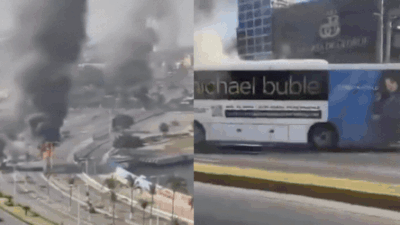
Highways have experienced a massive surge in violent events, many of which have resulted in burned vehicles and delayed flights, creating logistical chaos across supply chains. As an operator with Mexico-related international operations, this isn't 3rd party drama, it's directly affecting your profitability.
Strike Gone Viral
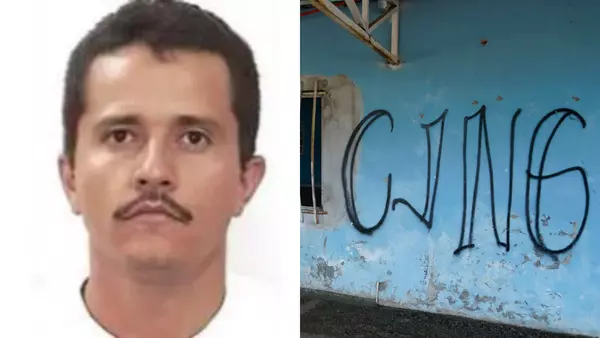
It was a fairly peaceful morning in Tapalpa, Jalisco on Sunday, when SEDENA’s special operations force conducted a raid on one of the fortified bases of El Mencho. There's also evidence of some gunfighting during the operation; four cartel enforcers at the base were killed, while both El Mencho and two of his lieutenants died en route to the hospital in Mexico City. In addition to the four enforcers killed on-site, the soldiers recovered several RPGs (rocket-propelled grenades), 0.50 caliber rifles and narco-tanks, all of which are part of CJNG's weapons cache.
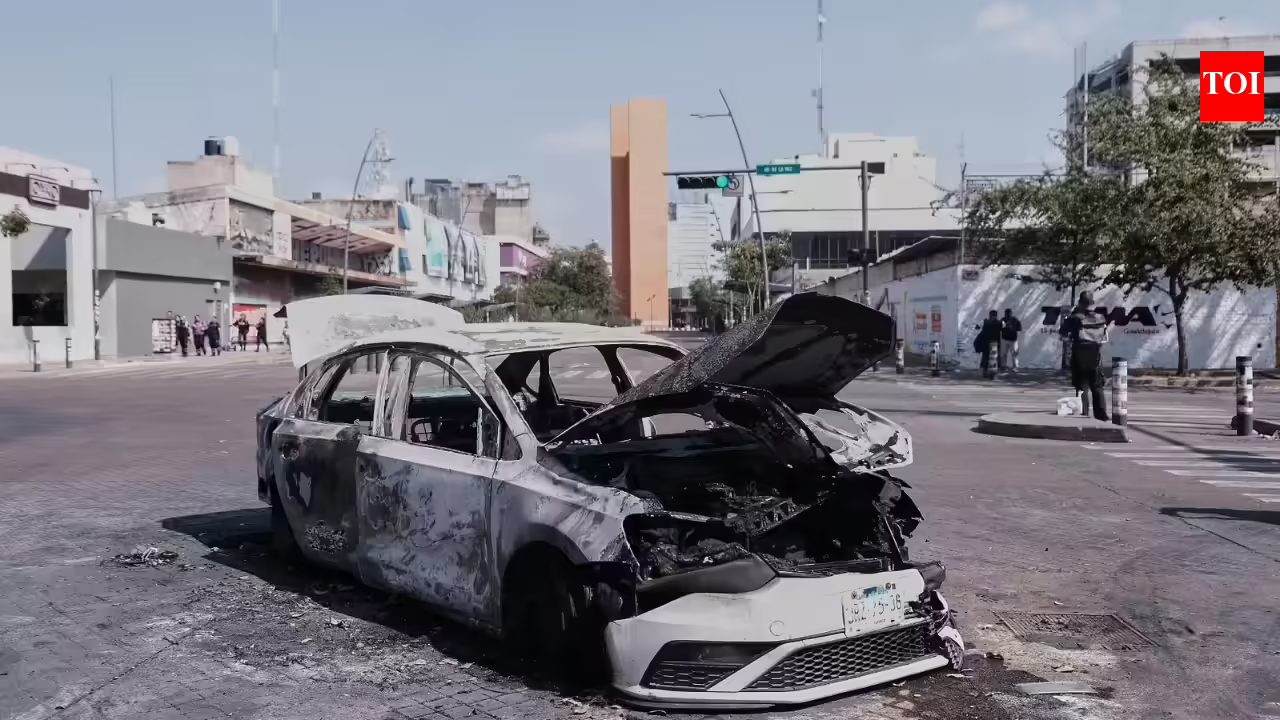
El Mencho had been able to evade capture for over 15 years, transshipping large quantities of fentanyl to the U.S. and amassing a $15 million dollar bounty in the process. His death effectively eliminates the CJNG, which is responsible for approximately 40% of violence in Mexico and for generating billions of dollars from drug sales.
Revenge Ignites
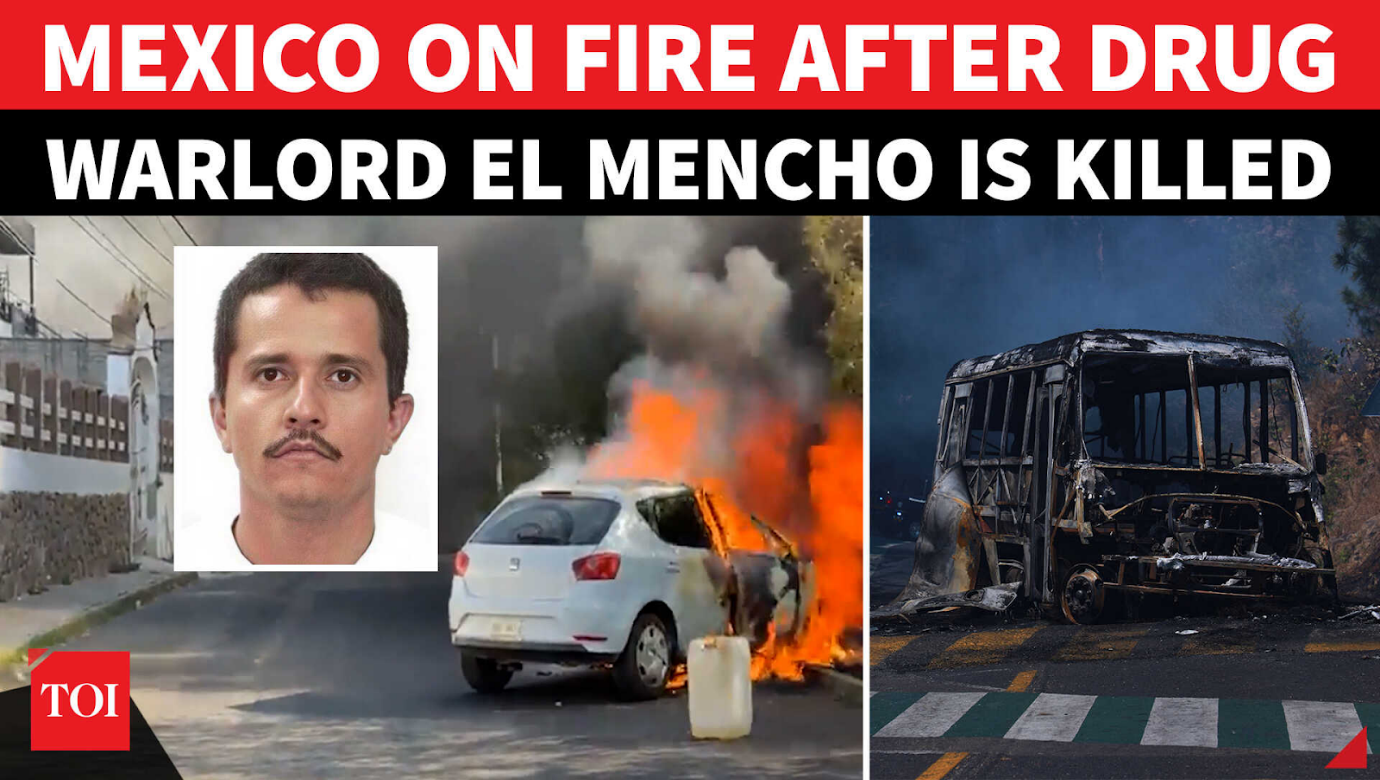
By the end of the day, CJNG men were attacking in 12 states all at once, setting more than 55 vehicles on fire in major arteries and highways between Guadalajara and Guanajuato; turning them into infernos. Truck blockade fires stopped the movement of goods from the maquiladoras (industrial plants) into the United States, while the airport in Puerto Vallarta was temporarily set down due to drone threat and black smoke seeing their way into the terminal.
Guadalajara was emptied out overnight. Schools were closed Monday; businesses have boarded up their windows. Authorities arrested 18 persons so far, but the retaliation attacks continue with roadblocks being set up and electric power in various cartel areas trickling on and off; although there have been no mass killings yet, the psychological impact has frozen business activities completely.
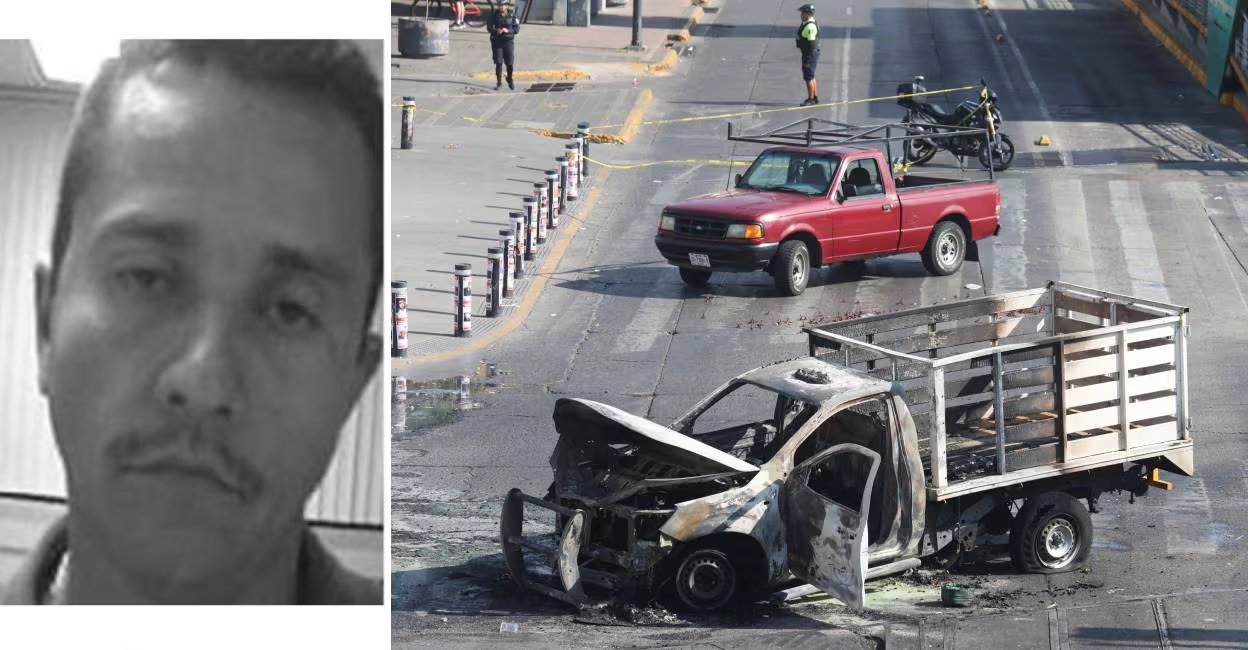
Echoes of Past Power Vacuums
The history behind how cartels act affects the future because of cases like El Chapo when he was sentenced in 2016 brought on the bloody war for succession in Sinaloa and it has killed more than 2000 people. The rise of the CJNG in 2015 after the Milenio Cartel was split up and led to a lot of violence. When the leaders of the CJNG, Sinaloa Cartel and other groups die there has been a 30-50% increase in violence once the new leaders are fighting over the territory that the leaders were in control of. The motivation for these murders and deaths is due to the amount of money ($20 billion) made by selling Fentanyl.
President Sheinbaum sent more than 10,000 troops to prevent violence from rising but had little success as CJNG cells were very black and they continued to adapt quickly. There will be many more deaths as current Lieutenants purge to take El Mencho's leadership role within CJNG.
Communities and Small Businesses Caught in the Crossfire
As the situation evolves, local communities are caught between fear and forced adaptation. Small business owners in affected corridors are reporting sudden closures, staff no‑shows, and cash-flow squeezes as customers stay home and logistics stall. Informal economies, which many manufacturers quietly depend on for last‑mile services, are also disrupted as drivers and fixers avoid cartel-controlled zones.
In the short term, some firms are shifting more decisions to on‑the‑ground managers who understand neighborhood-level risks better than distant HQs. That decentralization, while reactive today, could become a long-term advantage in operating under chronic volatility.
From Factories to Freight
Maquiladoras in Ciudad Juárez and Tijuana sitting idle - truck drivers refuse to transport on cartel-controlled routes. Tourism in Puerto Vallarta has essentially ceased - there are no guests in most of the resorts or cruise ships. Michoacán's avocado exports represent USD 3 billion, but are experiencing 20-30% delays due to snarl-ups on the supply routes.
Nearshoring darlings are feeling the pinch: 15% of US imports come from Mexico. There is a cascading chain of events that has resulted in 5-10% increases in costs due to delays; and for hotspots in Jalisco, insurance rates have increased 10-15%. Automotive new car manufacturers (OEMs) have shut down their production lines, and electronics manufacturers are scrambling for air freight space.
Risk Mitigation
Evaluate your audit exposures very aggressively and calculate 80% of your total volume through all states impacted. Move as much of that volume to rail when possible and store 45-60 days worth of supplies in the safe zones of either Monterrey or Nuevo Laredo. Our local partners are utilizing WhatsApp networks to provide intelligence concerning blockades.
Monitor the live feeds from SEDENA and US State Country Advisories. Hedge with backups in Vietnam or Central America if the situation continues to deteriorate in Mexico. If Sheinbaum remains in power, we expect violence to peak within the next 7-10 days.
Beyond the Spree
The absence of El Mencho is likely to be a significant long-term hardship for the CJNG and may have potential benefits for the fentanyl supply chain.
United States border hawks from the Trump era are closely watching how security agreements become tighter between the US and Mexico. In addition, agile operators have been able to capture reshoring contracts from nervous enemies.
The current vengeance spree demonstrates the tentative nature of Mexico's opportunities for nearshoring. Fast-moving companies are positioning themselves at a competitive advantage as the upside of the current disruptive environment will favour those that prepared for the worst.
Latest Posts