

CUSMA Terminated Decoding Washingtons Refusal to Renew the North American Trade Pact
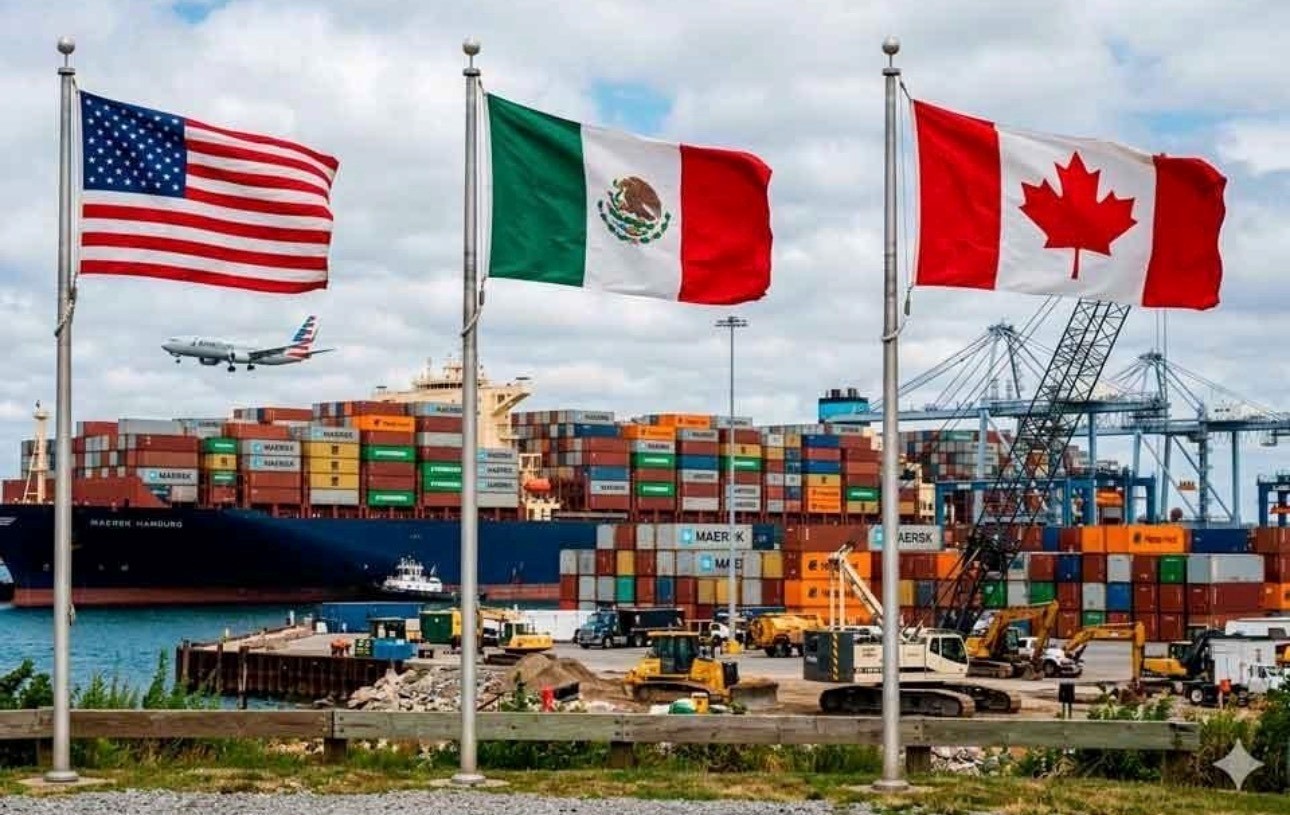
The United States calls this deal the USMCA. Canada and Mexico call it the Canada-United States-Mexico pact.
This change is a concern for businesses, investors and legislators in North America. They think that not knowing what will happen with the Canada-United States-Mexico pact could cause problems with supply chains, commerce and investment. The Canada-United States-Mexico pact has made North Americas supply chains, commerce and investment very connected, over the thirty years. Many companies have built long-term business strategies around the agreement, making any uncertainty important for the regional economy.
Understanding CUSMA and Why It Matters
The North American Free Trade Agreement or NAFTA has controlled trade between the United States, Canada and Mexico since 1994. It was replaced by CUSMA on July 1 2020. The agreement, which was made while Donald Trump was president, updated trade rules. These updates included better protections for workers, improved digital trade standards and changes to rules affecting manufacturing.
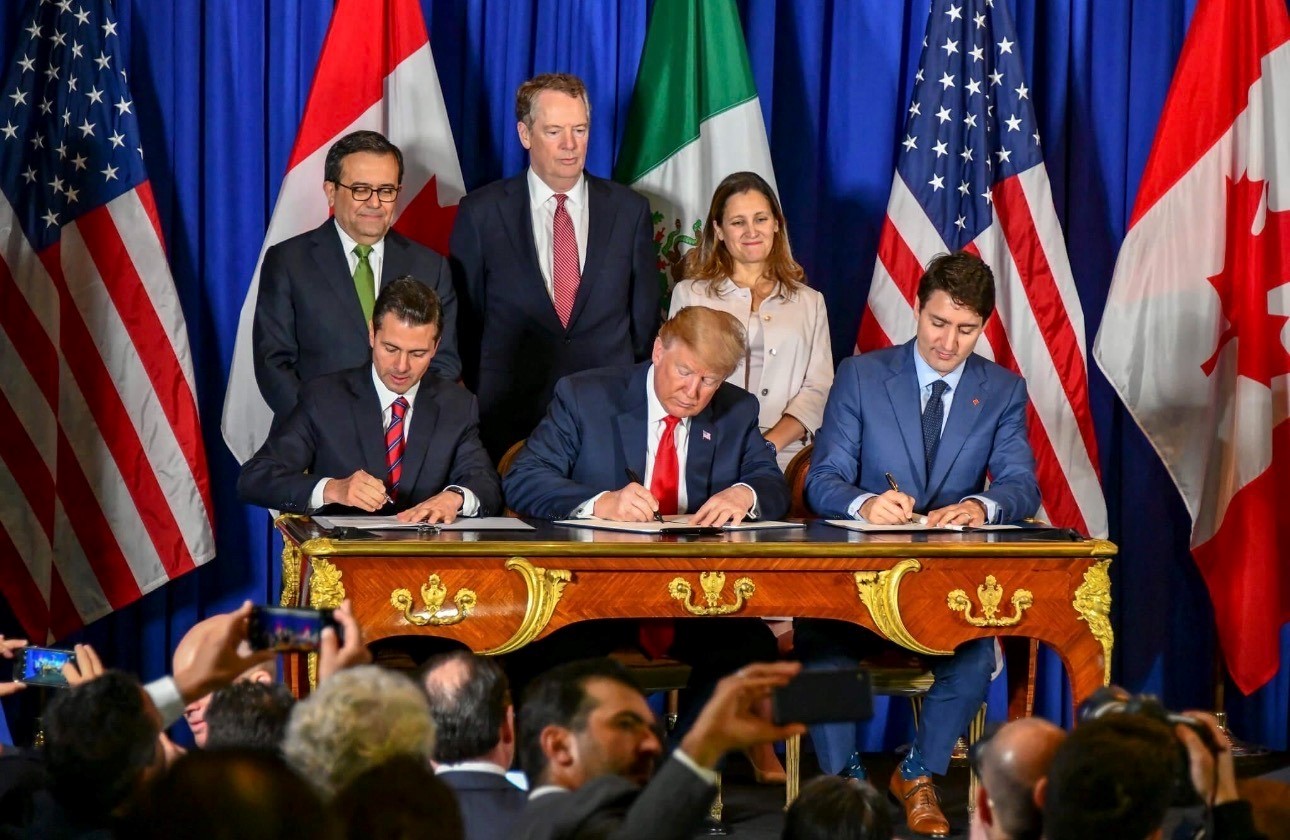
CUSMA now manages one of the worlds free trade zones with over $1.8 trillion in trade each year. The future of CUSMA is important for businesses and financial markets, in North America. Millions of jobs across the three countries are connected directly or indirectly to the trade relationship supported by the agreement.
Why the United States Refused to Renew the Agreement
Every six years the three countries in CUSMA have to do a review as per Article 34.7.
- If all three countries agree that the agreement is still good for them it gets automatically renewed for another sixteen years.
The first review happened in 2026. The US did not want to renew it in its form. The Trump administration said some parts need to be changed to protect workers and businesses better.
The administration decided to continue discussions through yearly reviews while keeping the existing agreement in place. The three nations would have to find a solution by working together. The decision means negotiations are expected to remain active over the coming years as each country seeks changes that support its own economic priorities.
What Happens After the Six-Year Review?
Contrary to some reports the CUSMA agreement does not automatically end just because the United States chose not to renew it. The agreement is still fully in effect while yearly reviews are happening.
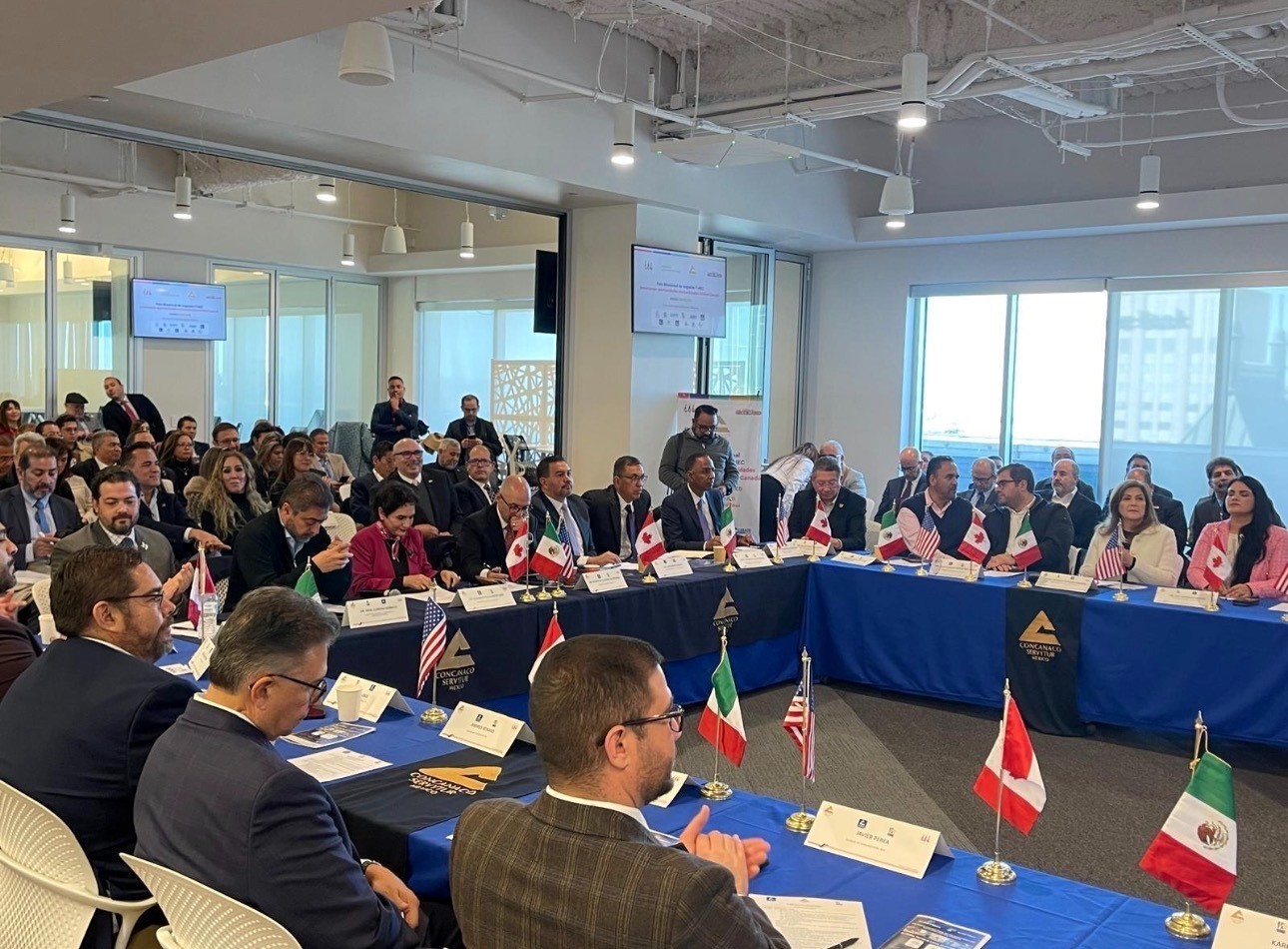
These yearly reviews let all three countries discuss changes solve problems and decide if the agreement should be renewed for another sixteen years. If they fail to agree on anything before 2036 the agreement is most likely to end unless a new one is made. This means businesses can keep following the rules for now but they also need to think about possible future changes. The CUSMA agreement and its possible renewal are important for businesses to keep an eye on. Companies are expected to monitor every review closely because even small policy adjustments could influence future investment decisions.
Canada’s and Mexico’s Response
Mexico and Canada are being careful. They are saying it’s very important to keep the economy stable in their region. Canadian Prime Minister Mark Carney said that CUSMA has helped the economies of all three countries a lot. He thinks that talks will find a solution that works for everyone.
Mexico is also being careful. President Claudia Sheinbaum said Mexico’s factories are doing well. She said her government wants to work with the countries. Both governments seem to want to avoid problems. They want to protect their interests while keeping trade relationships stable across North America.
Economic Uncertainty for Businesses and Investors
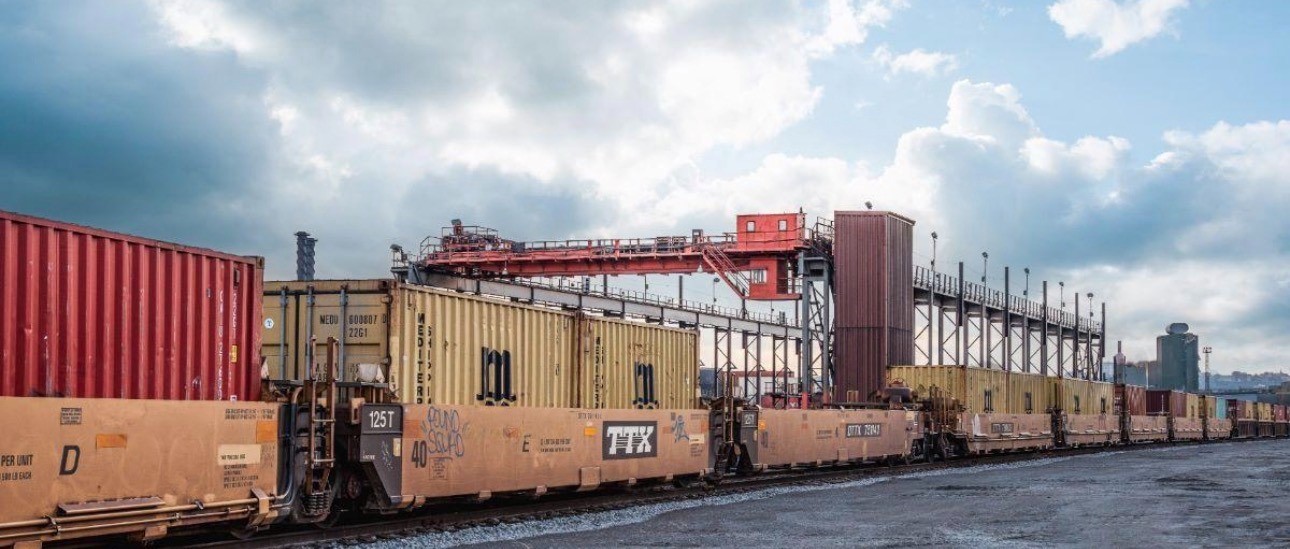
Despite CUSMA being in effect companies in North America now face more uncertainty. This is because there is no extension. The automotive industry is especially vulnerable. Production often involves parts crossing the US, Canada and Mexico several times before a vehicle is made.
According to analysts long-term uncertainty may cause businesses to rethink their expansion plans. It may also lead to postponed investments and higher operating costs. Many businesses are expected to watch the yearly reviews closely before making long-term investment decisions.
Key Issues Likely to Dominate Negotiations
Trade experts think upcoming talks will mainly be about tricky issues. One big issue for Washington is still rules for car manufacturing, those about local content standards and benefits for making things locally.
The US and Canada also have disagreements on agriculture. Mexico’s farm exports and Canada’s dairy market are two areas where they do not see eye to eye. So negotiators will have to balance what each country wants economically with the goal of keeping one of the worlds most connected regional trade systems. The final statement of these discussions holds the power to influence trade policy across North America for several years.
Why the Annual Reviews Matter
The shift from a six-year assessment to annual evaluations changes how firms and governments will handle CUSMA over the next ten years. This change means that instead of having sixteen years of stable policy CUSMA will now face frequent assessments on its politics and economy.

Companies will have to keep an eye on each review for possible changes in policy that affect tariffs, standards for production or regulations on investment. Economists say that even though the agreement is still in effect the feeling of uncertainty from discussions may affect investor confidence just as much as any real policy changes made during the review.
The Future of North American Trade
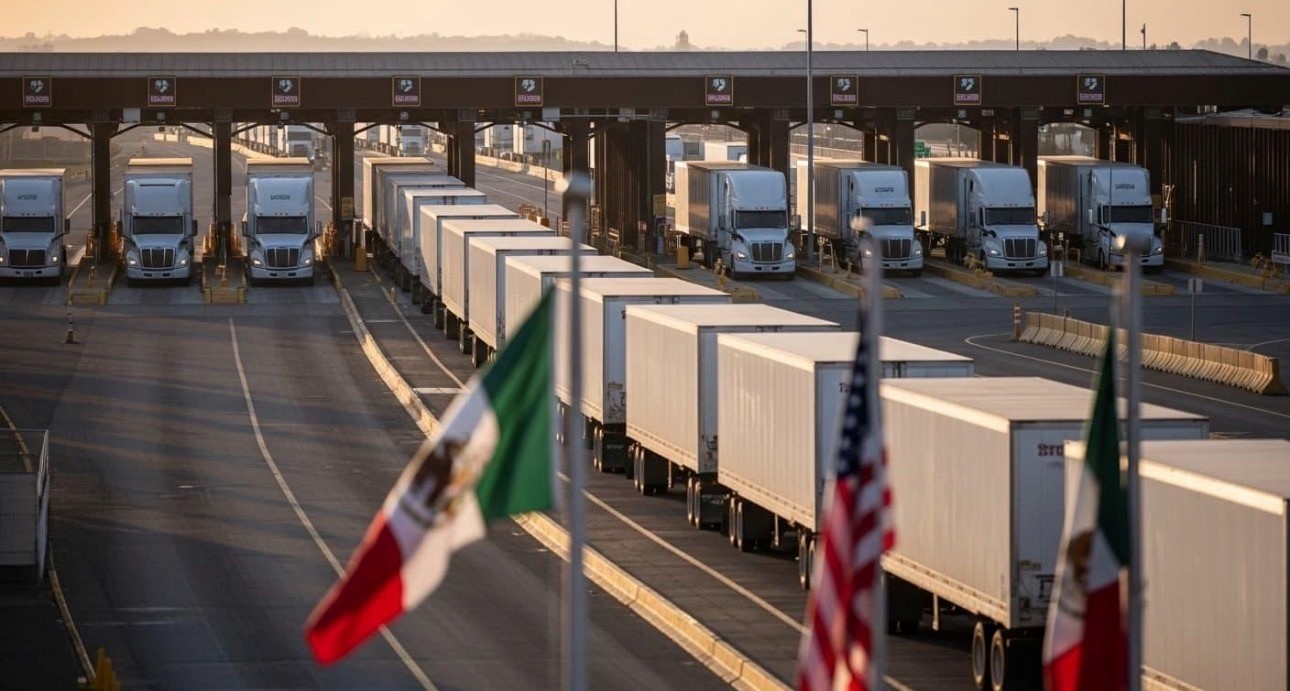
Therefore, American free trade will keep going even if Washington does not extend the CUSMA. The trade agreement between Canada, the United States and Mexico will still be in place. These countries will review the trade agreement every year. Make changes as needed. They will not stop trading with each other.
People who own businesses, people who invest money and lawmakers will pay attention to what happens next. They know that the results will affect American manufacturing, trade, jobs and investment for a long time. The annual negotiations are expected to shape how North American trade develops over the coming decade. The talks that will happen every year are very important. They will be some of the important trade conversations, in North America since the original North American free trade talks. American free trade will be shaped by these conversations.
Latest Posts