

Breakthrough in Universal Flu Vaccine
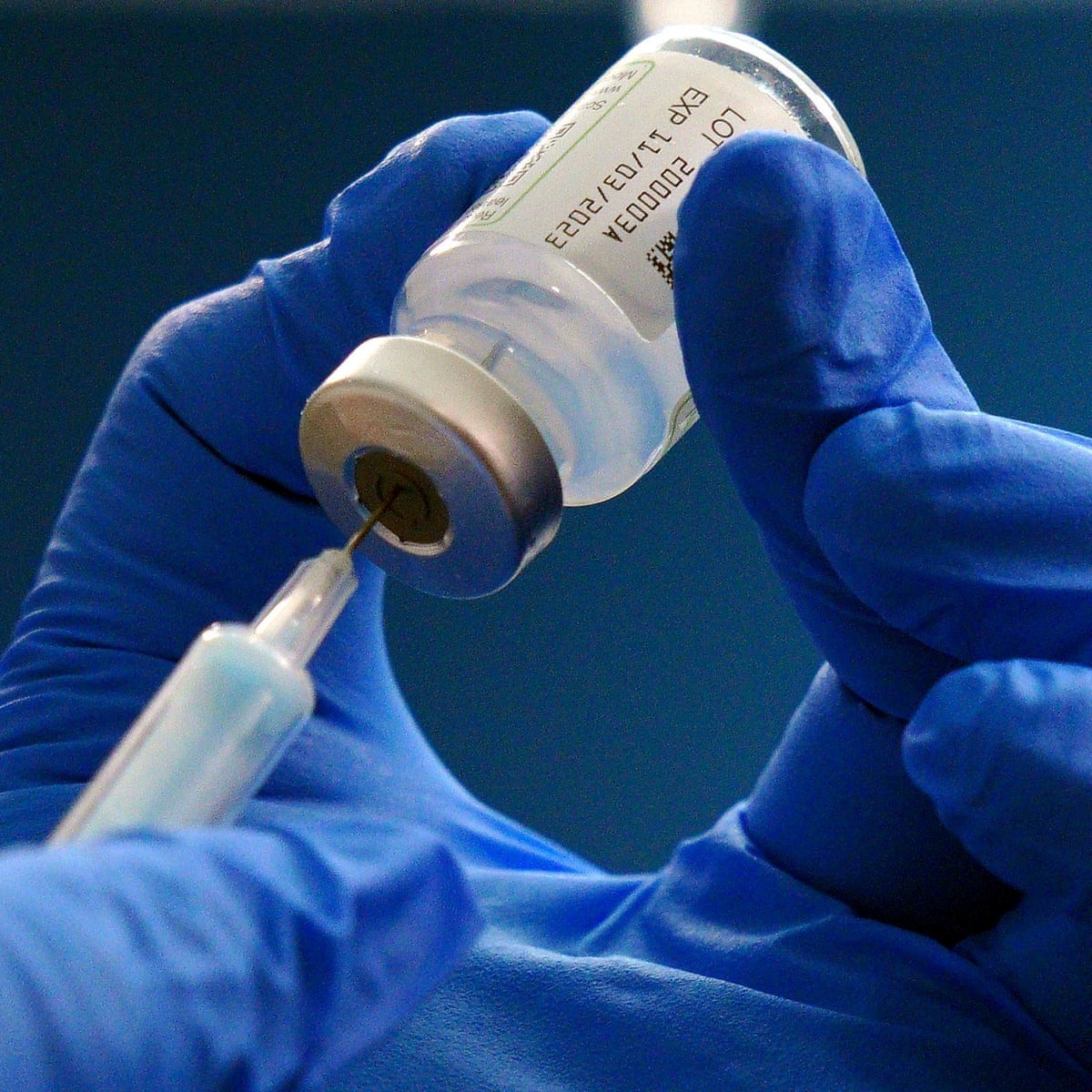
Beginning in 2026, GGS will begin vaccine clinical trials, and it is anticipated that by 2029, the results of these trials will result in the FDA making a decision about the approval of the pan-influenza/coronavirus vaccine. In addition, other private initiatives such as the stable scaffold technology developed by UNCW and targeting conserved regions of viruses which has been demonstrated at Oxford University, are supporting the GGS effort and adding to the knowledge developed throughout the world for the purpose of accelerating the development of these vaccines.
Also, the cost of seasonal influenza to the US healthcare system alone is estimated to be $11 billion annually, and therefore, by reinventing the economics of the pharmaceutical industry, these vaccines could represent an enormous financial opportunity for the pharmaceutical industry.
The Challenge of the Universal Flu Vaccine and Why We Still Have to Get an Annual Flu Vaccine
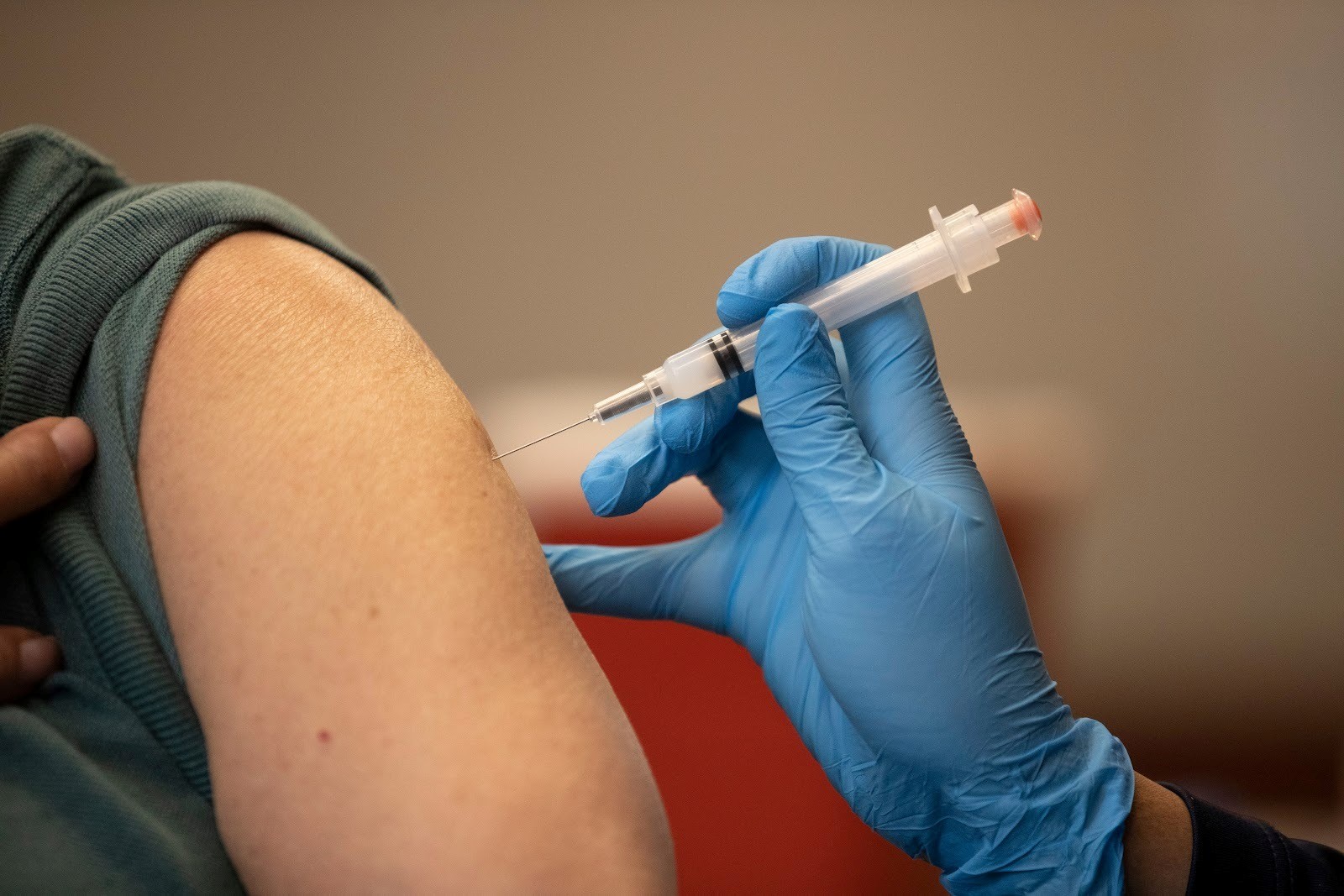
Influenza viruses tend to mutate rapidly. Each year the World Health Organization (WHO) chooses four strains on which to base the production of flu vaccine. Unfortunately, the effectiveness rate for matching the flu vaccine to the circulating strains is usually 40% to 60% per year. If the vaccine does not accurately match the circulating strain, then millions of people will be hospitalized as a result of influenza. The Influenza pandemic is responsible annually for approximately 290,000 to 650,000 deaths globally.
Universal flu vaccine candidates target the more stable regions of the influenza virus—specifically hemagglutinin (HA) stalks and nucleoproteins (NP) , because these regions of the virus are less subject to change and are, therefore, less likely to induce immune responses that will become ineffective with future mutations. Universal flu vaccine candidates will initiate and sustain antibody levels against all members of both Groups 1 and 2 influenza A viruses, all members of both influenza B virus lineages and all members of the future flu viruses that emerge from infected mammals or birds.
The Generation Gold Standard blueprint introduced by the HHS (Department of Health and Human Services) features beta-propiolactone (BPL) to inactivate polio vaccine technology- it is affordable and facilitates easy scalability, while providing strong T-cell immune responses as well.
List of Events Timeline:
Phase I, Phase II clinical trials for BPL are projected for completion in 2026; the pivotal efficacy data should be available by 2028. If the Phase III data show that BPL vaccine provides a greater than (>) 40%-60% efficacy than other seasonal flu vaccine candidates, the FDA is expected to approve the BPL vaccine for public use in 2029.
To ramp up large scale manufacturing for BPL, there is a $500 million available financial commitment. The manufacturing cost for the BPL vaccine at launch is anticipated to be $10-$15 per dose, as opposed to over $20 per dose for the mRNA methodology. This will supply the required 154 million doses of vaccine in preparation for expected flu seasons in 2025 thru 2026.
Current Commercial Pipeline Initiatives are Focussed on Conserved and Stem Targets
A new product development technology created by the UNCW (University of North Carolina Wilmington) uses artificial intelligence (AI) to design a scaffold that holds the HA (hemagglutinin) stem protein in its correct configuration and retains this configuration when created synthetically. The purpose of the scaffold is to allow for broad neutralization of the influenza virus. Preclinical studies using ferrets indicate that this technology produces cross-strain protection. A startup company based on this development will begin Phase I clinical trials in 2027.
Mathematical modeling techniques were used to identify low mutation areas of HA proteins in order to develop the Oxford University Chimera vaccines; the vaccine developed uses monoclonal antibody (mAb) techniques to induce the production of stalk antibodies, thereby, producing an immune response that will last throughout the individuals' lifetime. Blue Water Vaccines licensed exclusive rights to five patent applications generated from this work, and raised $15 million to support its Phase I clinical trial efforts.
Mount Sinai has developed chimeric-type HA proteins and conducted Phase I clinical trials from 2020 to 2021. Phase I clinical trials have observed elevated stalk titers (concentrations). The next experimental phase of the program is a combination vaccine targeted at the H1N1 and H3N2 strains.
Numbers indicate that: $25 billion Longevity Prize
The current world market for flu vaccines is $7 billion but projected Formula into the commercial market by 2035 includes projections of $25 billion U.S. for Universal Flu Vaccines. Since people will have boosters every five to ten years following their initial two dose vaccination series for Universal Flu Vaccines, total sales revenue should be a one-time increase in pharmaceutical companies' profits.
Medicare benefits Saves $3 billion/year, employers reduce their employees' sick days; medicare saves money from absent employees.
Billion dollar Pharma Exit Suits:
Sanofi and Glaxo Smith Kline have financial investments of multiple vaccines that are platforms. Other Startups; with similar strategies, will exit at $1 billion revenue growth.
Overcoming Obstacles to Approval
- Regulatory Issues: The FDA requires that BPL demonstrate clear statistical superiority over existing seasonal flu vaccines. Achieving non-inferiority to seasonal flu vaccines will require longer and larger studies. The FDA will require at least 10 years of data before (it) will approve the product for public sale.
- Scale Up Manufacturing Capabilities: BPL manufacturing plants are existing; BPL as compared to mRNA based platforms have more limited timelines for manufacturing productions for large commercial scale than mRNA.Vaccines.
- Equity for Low-income populations - GAVI plans to purchase massive quantities of vaccines.
Milestones for 2026
- Collecting HHS data in the summer.
- Submission of UNCE to IND
Phase 2 vaccine of Oxford in combination with stalk vaccine.
According to Vox, “A world without flu is possible.” HHS says yes!
Business Implications
A universal flu vaccination will be a revolutionised approach in the flu market - insurers will model a 20% hospitalisation decrease; employers will stock up.
Executives in the pharmaceutical industry will supply a "one and done" licence for vaccine production to payers; budgets will account for the elimination of yearly flu vaccinations. When the Phase 2 studies start, get ready to position yourself as an early leader in this new market.
Latest Posts