

AI in Hollywood Major Studios Shift Stance with New Tech Partnerships & AI-Driven Production
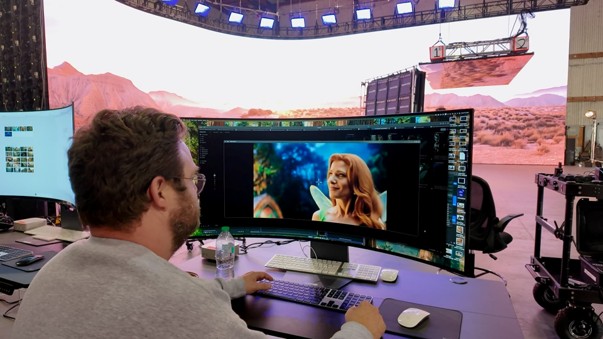
But the dynamic has changed since then. Instead of debating whether AI has a place in filmmaking, now numerous producers ask how AI technologies can help filmmakers do their job better without substituting people who tell stories.
A transformation in the way Hollywood comes to the role of AI has resulted in numerous partnerships between Hollywood and AI technology companies. AI is going to be used in the filmmaking process in many aspects such as analysis, visual effects, planning, and dubbing; it is going to serve as a tool for filmmakers next to CGI technology like it happened many years ago. Today, the focus is just different.
Why Studios Are Now Embracing AI
The production of high-budget movies is growing increasingly costly. Today, many films are made with budgets that easily exceed hundreds of millions of dollars. Moreover, audiences expect great special effects, fast releases, and thrilling experiences in theaters and on streaming websites. AI can overcome many of those problems.
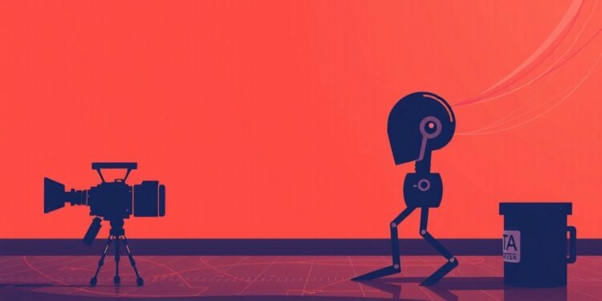
Film studios use AI technology more often to automate time-consuming processes, lower production expenses, ensure efficient planning and simplify post-production. Thanks to those savings, the creative staff have more time for storytelling.
Speed is not the only factor. The competition between various streaming platforms gives an impetus to making unique movies. As a result, studios produce better films quicker than before.
Expert Opinion: The biggest change does not happen on a technological level; it is a psychological one. People in Hollywood now shift from a mindset of resistance to one of collaboration with AI.
Where AI Is Already Changing Film Production
1. Advanced Script Development
AI allows for the examination of scripts and the detection of problems associated with the screenplay's length, slants in the story, and repeating dialogues. It helps to act as a second opinion even though the storyline is still produced by people.
2. Quicker Pre-Production
The process of making a films involves various steps where lots of activities should take place. AI is important in formulating plans, calculating the costs of production, and avoiding mistakes from the very beginning.
3. More Impressive Visual Effects
Even though a big part of visual effects work is related to creativity, there are also repetitive activities, which AI consumes lots of people’s time doing.
4. Progressive Editing
AI can be used to sort out footage, and manage the working process but the creativity of editing still relies on the people.
5. Attracting World Audience
AI technologies are able to change dubbing and voiceover solutions making the viewers feel free to watch films in different languages keeping the original emotional impact of character sound.
The Human Side: Will AI Replace Creative Jobs?
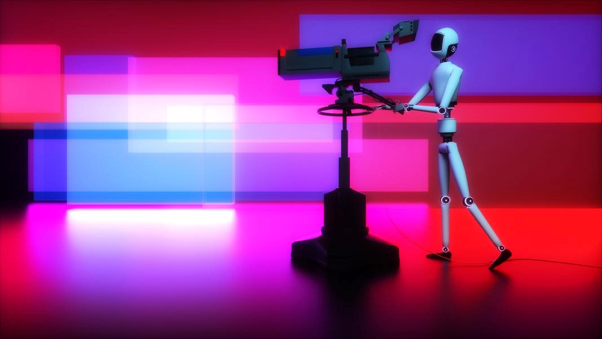
Nonetheless, this is the largest concern of Hollywood, and it is quite valid. Actors are concerned about their likenesses being taken as digital models without their permission. Writers are afraid that studios will start to me too much on AI-generated scripts. Visual artists are worried that automation will take away the chance for newcomers.
These worries are far from being imaginary, as already they’ve affected the negotiations and contractual issues in the business. Nevertheless, everything indicates that studios are beginning to understand that creativity can hardly be automated.
- AI can find patterns.
- AI can create images.
- AI can process tons of data.
But it cannot replace real experiences, emotional intelligence, cultural background, and unique viewpoints that can be provided only by people. There are many impressive moments in cinema that were possible thanks to someone who disobeyed the rules and not because of the prediction made by algorithms.
What This Means for the Future of Entertainment
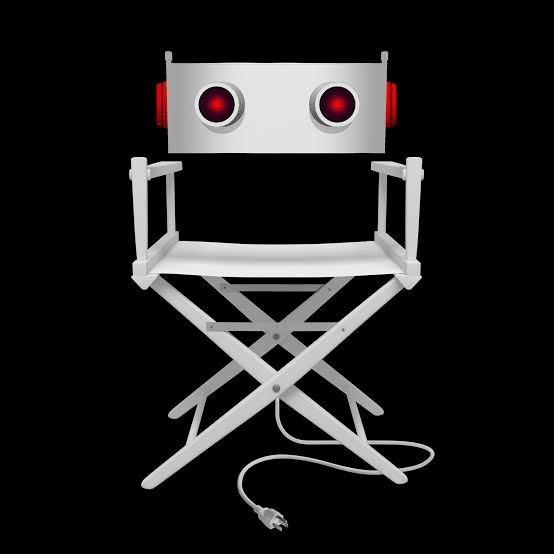
There is a new kind of relationship between Hollywood and artificial intelligence. Instead of perceiving AI as a threat, film companies think more of its potential as a creative tool that should be used in an ethical manner. The future of filmmaking rests in helping filmmakers rather than replacing them with machines.
History can provide an analogy for the current situation. When computer-generated imagery was invented, many feared that it was the end of regular filmmaking. Instead, CGI broadened the horizons of filmmakers. Apparently, history is repeating itself.
Audience members will still focus on the storyline and actors rather than the amount of incorporated AI. Technology will impact filmmaking, but people will still watch movies for the same reasons.
Final Thoughts
The way Hollywood interacts with the field of artificial intelligence shows how, in general terms, the evolution of technology takes place: all inventions face criticism at the beginning, but then they become adapted to our lives.
Nevertheless, AI doesn’t create the entire future of cinematography. Human beings remain influential in storytelling in order to make movies compelling and interesting regardless of artificial intelligence.
A successful movie-making studio is not the one that makes using of AI only. It is something that is good at mixing the innovations with the creativity of human beings. In any case, it is not the algorithms that people fall in love with; it is the stories that touch the audience.
Frequently Asked Questions
1. Is it true that artificial intelligence is the end of film-making in Hollywood? No, it is not. AI has been mainly used for automating work, increasing productivity, and improving the output of creative teams but not for replacing directors, screenwriters, film editors, and actors alike.
2. How can AI technology be of help for movies? Film production companies use AI-based technologies to assess the script, schedule the production, perform post-production tasks, create special effects, edit video, synchronize sound, localize the film, support animation, and analyze marketing activities.
3. What are the benefits of cooperation between Hollywood studios and AI companies? Such collaboration allows producers to cost their projects more economical, optimize processes, accelerate the post-production work, and ease global distribution.
4. Can AI be used for writing movie scripts? AI can learn ideas or write scripts but interesting storytelling requires some human involvement.
5. Do people know that AI technology is used in cinema? In most cases they know about this but do not even recognize it. AI technology has been used for visual effects and sound production without replacing the creative side of movie-making processes.
Latest Posts