

A Global Baseline Over 60 Countries Now Mandate Healthcare for Refugees
Countries have different approaches towards establishing and implementing universal healthcare access; Europe's socialized systems (NHS) vs Asia's hybrid (PPPs) public/private models. Regardless of the different systems used, governments are establishing universal access to healthcare as an obligation and as a value proposition in order to change how multinational companies do business with mobile populations and cross borders.
The Scale and Speed of the Shift
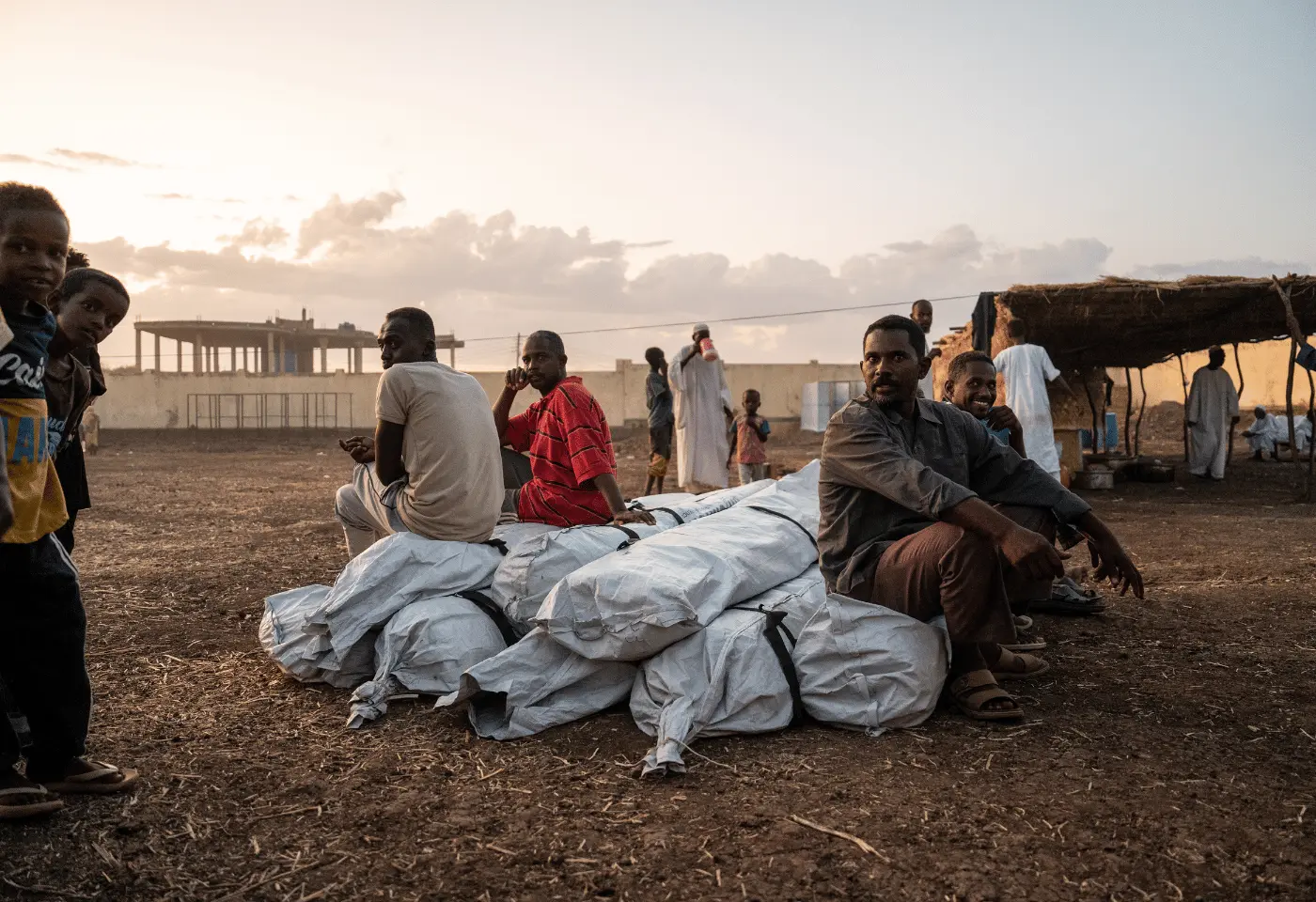
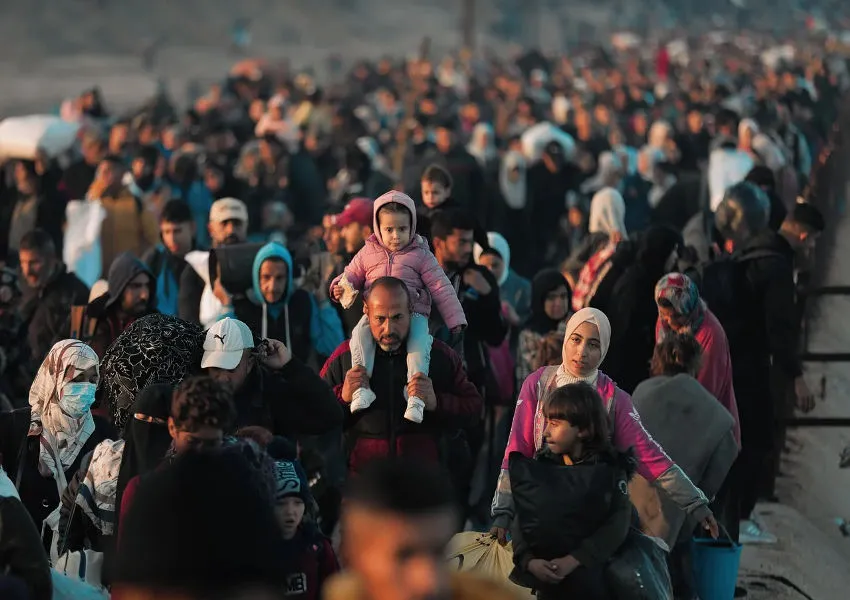
By 2022, turmoil, war, bloodshed, and invasions had forced almost 60 million people to flee their homes. Since 2010, this number has increased by 58%. A recent report by the UNHCR, the world's leading refugee agency, shows that the total number of refugees is represented separately for all countries with established integration systems (middle income countries such as Turkey, Colombia, and Jordan) is almost one-half of all refugees worldwide, while refugees in high income countries (Germany, Canada, and Sweden- OECD) represent about 25% of all refugees.
In addition to this population of approximately 25 million people who were displaced due to the effects of protracted conflict, there are also an estimated 25 million people who have been displaced and are now part of households within lower income emerging economies such as Kenya, Uganda and Egypt.
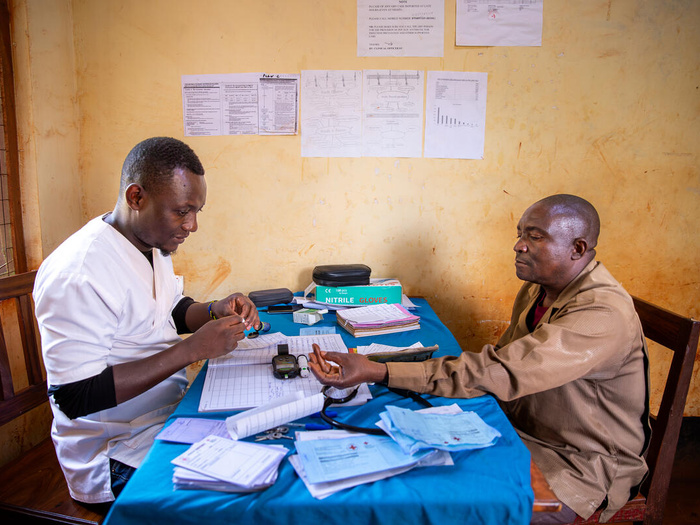
Governments recognize the necessity of establishing institutions and infrastructure to provide care and treatment to these groups because these people are able to work, pay taxes, and utilize emergency services. The natural conclusion that refugees will live permanently and should thus have access to health services offered to inhabitants of their new nation is acknowledged by requiring institutional care for chronic diseases and providing health care for all refugee households.
Europe’s Model: Integration Through Insurance
Germany led by example by eliminating their 3-year exclusion of refugees in 2016 with over 1.2 million Syrian refugees receiving statutory health insurance. The results of this were that A&E visits decreased 27%, chronic disease management improved by 40%, and local hospitals had improved capacity planning. Sweden, France and Spain followed suit with similar universal models.
Private insurers now have new opportunities. In Germany, private health funds are now providing approximately 15% of healthcare to refugees through additional coverage plans such as optical, dental, and physiotherapy as these services are not part of the public system. Bupa and Allianz have created Arabic/Farsi-language digital platforms for this demographic with record numbers of legal residents spending like all other residents.
Emerging Markets: Public-Private Pivot
Turkey has granted Universal coverage through its General Health Insurance System to 3.7 million Syrians, fully financed by the Turkish State for two years and based upon Voluntary Contributions thereafter. This has created a $2.5 billion annual Healthcare market. For example, Private hospitals such as Acibadem and Memorial are now targeting this healthcare market with multilingual services and cash-pay refugee packages.
Colombia has granted special status to 1.8 million Venezuelans through Permiso Especial by linking healthcare coverage to work authorization. Private clinics have created tiered pricing models based on this special status; for example, Full Venezuelan ID holders pay 60% of the rates charged to Colombian citizens, creating predictable demand for private services. Jordan provides free public hospital care to 650,000 Syrian Refugees, but demand for private healthcare services has increased significantly as newly arrived middle-class members of the Syrian community are seeking quicker access to healthcare services.
Business Opportunities in the New Normal
Three specific opportunities are created for forward-thinking businesses through the new healthcare for refugees mandate:
Telehealth providers focused on digital services will see great success. In Asia, Ping An Good Doctor and Babylon Health both launched telehealth apps created specifically for refugees that include multiple languages, identification verification, and micro-payment options. Utilization rates have been at least 3 times higher than the national average for this population because refugees prefer to use digital means to access health care due to their lack of trust in walk-in clinics.
Pharmaceutical and medical technology items will continue to be in high demand. Chronic illnesses including diabetes and hypertension affect about 25–30% of all adult refugees. The refugee influx has led to significant growth in population for Germany and Turkey with population increases of 12%-15% compared to their native populations; this is primarily due to the the large refugee population in these countries and other factors. Companies employing refugees in Canada, Spain, and Turkey, particularly in the computer, agriculture, and textiles industries, consider comprehensive coverage for refugees as an ongoing business expense instead of a charitable contribution.
Risk Factors for Businesses
Healthcare costs for refugees can be up to 50% higher per person than those for the local population. This is often because refugees experience trauma, face language barriers, or receive late diagnoses. While governments absorb these extra costs, private payers are responsible for covering them in full at the point of care.
Another risk that nativist governments can bring is that it may suddenly eliminate certain benefits for refugees. For example, Hungary had coverage for refugees until 2020, but may eliminate benefits if the next election results in a hard right outcome. Therefore, companies would be wise to create modular contracts that will adjust with any changes in law.
The Bigger Market Signal
Over 60 countries have mandated that you provide mandatory healthcare ; all of these regulations will eventually create markets on a very large scale. According to the UNHCR, there is approximately $20 billion to $30 billion in new healthcare expenditures annually that will be generated by refugees alone; and that total is greater than New Zealand's complete healthcare budget.
With this information available to world health systems, it's now a matter of time before developed countries realize how much mass migrations have impacted their population and budgetary mandates. In the next ten years, private companies that address translation services, portability and trust will benefit from the tremendous growth in services; and those who are debating "are we going to serve the refugees or not?" will continue to lose business opportunities to others who have addressed these issues already
Latest Posts