

A Century in the Making Algeria Officially Eliminates Trachoma
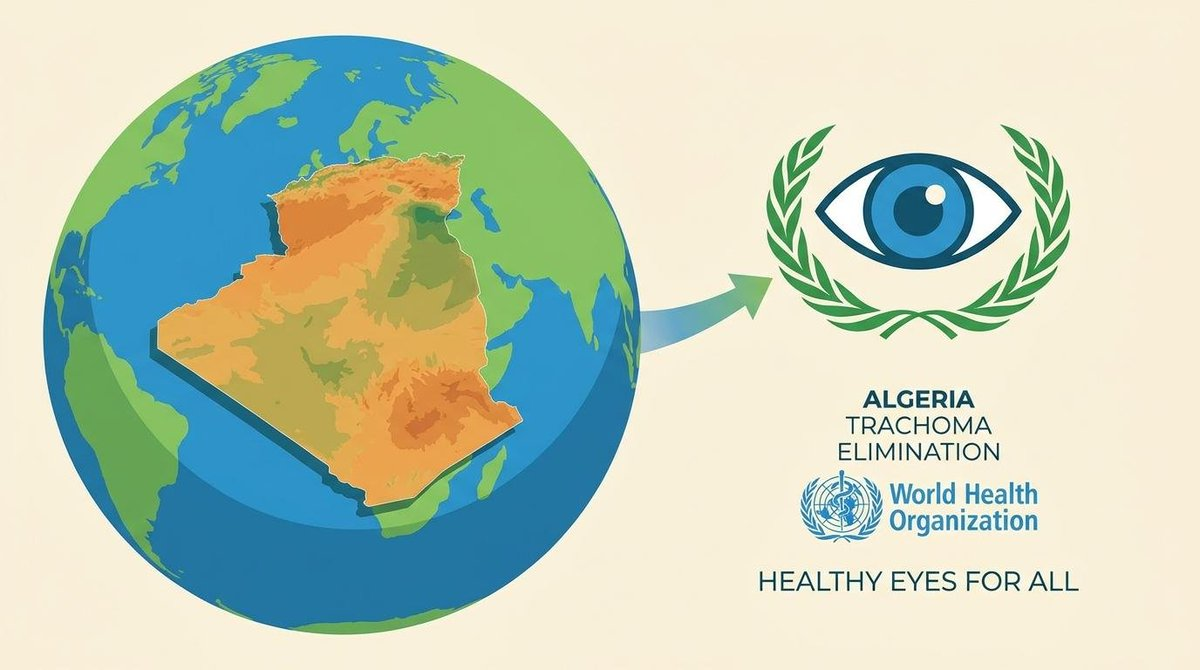
Through sustained multi-sector execution over time, Algeria has proven the ability of nations to eliminate this century-old disease while generating return on investment (ROI) both socially and economically, which will be passed down through generations.
The Enemy: A Blinding Poverty Trap
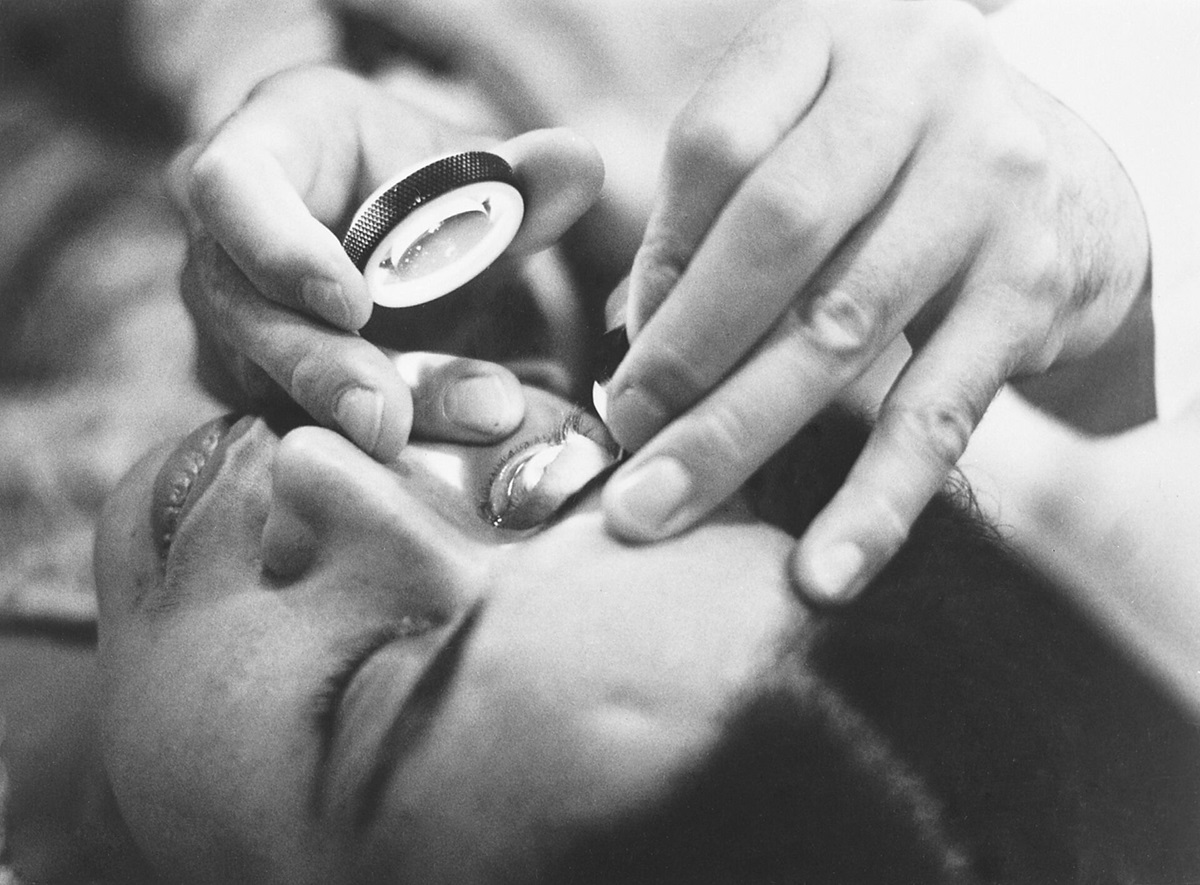
The leading cause of preventable blindness through infection is Trachoma. The disease is caused by Chlamydia trachomatis and spreads in cycles of poverty, poor sanitation, flies, overcrowded homes, and dirty faces. Repeated infections lead to corneal scarring and multiple cases of untreated trichiasis (inward turning eyelashes) cause scratching until vision is irreversibly lost.
Algeria has faced significant challenges in controlling the disease in the 12 wilayas of the country's southern desert provinces such as Adrar, Laghouat, Tamanrasset; where water scarcity further facilitated transmission.
At one point in time, infection rates in Algeria exceeded 10%. There was a case of Trachoma where the patient has lost sight permanently. Given the global population, Trachoma has resulted in millions of lost productivity, burdensome healthcare costs, and an enormous amount of devastation to families.
The SAFE Weapon That Won
The SAFE strategy, which combines surgery, antibiotics, face washing, and environmental improvements, seems relatively easy on paper but is much more complicated to implement.
In Algeria, for example, SAFE was initiated in 2002 and then accelerated from 2013-2015.
- Surgery: Over 15,000 surgeries were performed to correct trichiasis; More than 200 doctors were trained to perform the procedures; and 85%+ of the trichiasis population was covered.
- Antibiotics: An azithromycin distribution campaign was conducted through mass drug administration, with an estimated coverage rate of 80% of the total population; Pfizer provided the azithromycin donated through the GET2020 program.
- Face washing: School programs promoting face washing and distributing soap were implemented, resulting in a 72% reduction in the incidence of active trachoma in Algeria.
- Environmental Improvements: More than 300 boreholes were drilled, latrines built, and fly traps placed in rural areas; which increased the sanitation coverage from 30% to 85%.
A National Trachoma Committee coordinated the implementation of the SAFE strategy over the years. As a result, active trachoma prevalence is now below WHO's target of 5% for more than two years in all locations, and a Dossier will be completed for validation in April 2026 (i.e., submitted for review).
The Economic Math That Compels
- Spending $1 with SAFE results in a total of $4.40 saved on the costs of blindness (ITP analysis). Algeria's return to be compounded:
- Savings from not having to pay healthcare costs related to not needing corneas or lifelong disability assistance.
- An increase in productivity due to no longer having blind individuals costing 1.5 times the GDP per capita annually means that millions will work at full capacity.
- Tourism and investment will be increased because they will be located in southern provinces that will become a safer, more healthy and accessible area to live in.
Surveillance Systems Lock Gains
With regard to post-validation, Algeria demonstrates its strengths through the prevention of further regression on the health-related goals of school health and nutrition (SHN). The SHN has maintained a strong school health network, which through annual screening has been able to identify and catch cases of malnutrition early on. The use of a digital system for reporting and tracking cases has created a real-time surveillance dashboard that can show whether there are active cases in the country.
Additionally, access to eye care services has reached approximately 85% of the population. The country has developed a Water, Sanitation and Hygiene (WASH) infrastructure system, which has made desert sanitation a regional model for sanitation. As outlined in the December 2025 evaluation packet, the WHO experts confirmed the integrity of the data, and sustainability of the program.
Global Context: Momentum Builds
The World Health Organization (WHO) began global strategies in 2010 to eliminate malaria. Last year, WHO ranked as one of world leaders against malaria. Total estimated deaths from malaria last year was approximately 1.7 million and total cases nearly 271 million. Two billion lives could have been lost from malaria if it hadn't been for all 56 WHO member states that implemented the global abnormal elimination strategy.
As a result, the average prevalence rate of malaria among all WHO member countries dropped from 1.1% to 0.4%. Nearly 160 million people were saved from malaria in Kenya, Tanzania, Uganda, Zimbabwe (70% of the population) because large-scale implementations used global abnormal elimination strategies. 32 nations still remain malaria-endemic, however large-scaled global interventions are needed to eliminate malaria.
Since 2002, reported cases have dropped from over 1.5 billion down to just over 103 million—94% reduction! Algeria's accomplishment in eliminating malaria has set forth the WHO's goal for global elimination of malaria no later than 2030.
The 10th African country to achieve malaria elimination demonstrates to all global implementers that global abnormal malaria elimination strategies can be adapted to context in various parts of Africa. Countries neighboring Algeria (Libya, Mali and Niger) will certainly be looking at potential implementation of Algeria's elimination malaria blue print; Algeria is also well positioned as a trainer of trainers (exporter) through the use of surveillance technologies, strategy consulting and overall sound implementation management systems.
Business Opportunities Unlocked
Immediate:
- Pharma Transition (Azithromycin): From Donor to Commercial Supply
- Health Tech: Developing Regional Scale Digital Surveillance Platforms
- Infrastructure (WASH Models) Attracting Development Capital
Longer-Term:
- Corporate Social Responsibility Partnerships: Energy Companies Creating Sustainable Models
- Medical Tourism: Southern Eye Care Centres
- Export Model: Algeria Consulting with Endemic Countries
Projected Global Need: $2.9 Billion by 2030. Expect a Similar $4.4 Multiple Return as Algeria.
A Long Look Back
Trachoma affected Algeria for over a century—elimination required 24 years (SAFE 2002-2026). There are no shortcuts – Broad systems triumph over single point solutions.
For digital-first businesses; signal comes through loud and clear: executing with public and private partners yields the best results. Public health provides an engine for economic growth; Algeria demonstrates that the same model can be applied in deserts and achieved at the national level.
The next cohort for elimination comes next; investors watching for WHO validation should position themselves early. Countries eliminating previous disease will produce more GDP than any other comparable countries first.
Latest Posts