

A British Prime Minister Has Acknowledged Russian Interference in the Brexit Vote. Here's Why It Matters
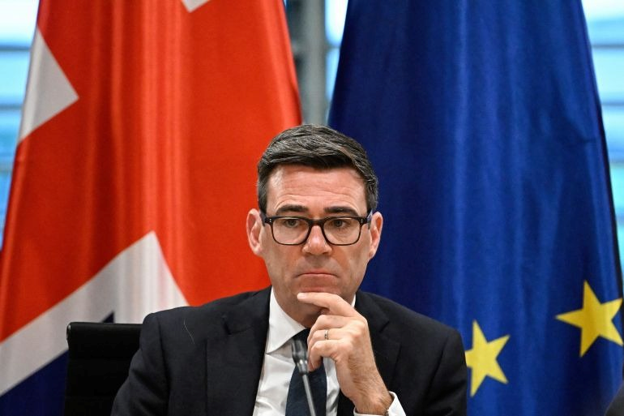
It is a short remark from a podcast interview, but it cuts against nearly a decade of official messaging. Supporters and critics of Brexit are already reading it very differently. Before anyone draws big conclusions, it helps to look at exactly what was said and what wasn't.
What the Prime Minister Actually Said?
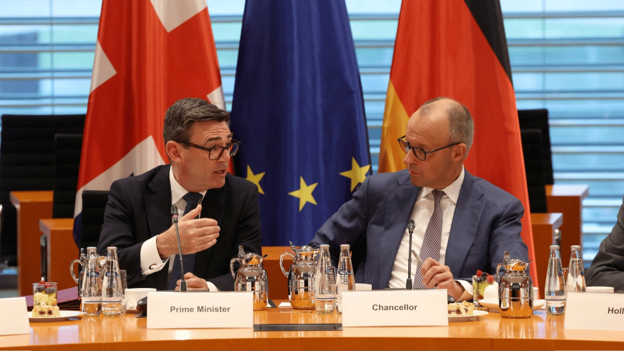
Burnham made the comments on The Rest Is Politics podcast, ahead of its release. He said it was important to put the matter clearly on the record. His stated reason looks forward more than back. He wants voters in Germany and France to understand that some of the politics they see is stirred up by Britain's enemies. He also said he had discussed the threat from the AfD with German Chancellor Friedrich Merz during a visit to Berlin. In his view, Western governments have been on the back foot and haven't told the public enough about overseas efforts to disrupt political processes.
A Break From the Old Official Line
To see why this stands out, rewind to 2020. Boris Johnson told Parliament that people didn't vote to leave because of Russian pressure. He said they voted to take back control. That came a day after a parliamentary report said the government had never tried to find out whether Russia meddled. The committee behind it was Parliament's Intelligence and Security Committee. It found the government failed to fully assess the impact that Russian state media and troll accounts could have had on the referendum. Ministers rejected calls for a review at the time. Burnham's comments are believed to be the first time a sitting British prime minister has publicly acknowledged interference in the Brexit vote, as ABC News reported.
What He Didn't Say
This is where careful readers should slow down. Burnham did not disclose the evidence behind his statement or explain how Moscow's influence worked. He also did not claim the result was illegitimate, and he did not say interference changed the outcome. Those are three separate claims, and only the first has been made. Even Tony Blair, who has pushed for a proper investigation, has called it foolish to argue that Russian interference delivered the Brexit result. Acknowledging an attempt is not the same as proving it worked. Russia, for its part, has long said it does not meddle in other countries' elections or referendums.
Why Germany and France Are in the Frame?
The timing tells you a lot about the motive. Burnham framed his remarks around upcoming votes on the continent, with French presidential elections and several German state elections on the calendar for 2027. If you were a government worried about foreign influence, you'd want allies to take the threat seriously before those campaigns heat up. Admitting past failures at home makes that warning more credible. It also quietly shifts the argument from "did it happen?" to "how do we protect the next vote?" That second question is one most parties, whatever their view of Brexit, can at least discuss.
Could This Reopen the Referendum Question?
Some commentators are already asking whether foreign interference could legally undermine the 2016 result. Legal analysts have been quick to point out the gap between acknowledging activity and showing it achieved anything. One analysis noted that the government's position doesn't establish that no foreign activity occurred, only that it hadn't found evidence such activity succeeded. Without published evidence, a legal challenge would have little to stand on. Politically, though, the comment hands ammunition to campaigners who have wanted an inquiry for years. Expect pressure on the government to either release what it knows or explain why it won't.
The Bigger Picture for British Politics
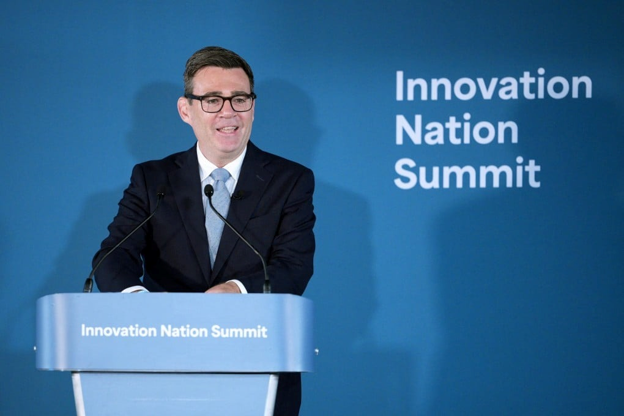
Burnham's government is still young. He took over after Keir Starmer announced his resignation in June 2026 and won the Labour leadership contest. A new prime minister saying something his predecessors wouldn't is a sign that he's willing to break with past positions on national security. It could also be read as a political move, a way of signalling toughness on Russia while the debate over Britain's relationship with Europe continues. Both readings can be true at once. What matters is whether words are followed by transparency, such as published assessments, parliamentary scrutiny, or new election-protection measures.
What to Watch Next
Three things will tell us whether this is a headline or a turning point. First, whether the government publishes any of the intelligence assessment Burnham referred to. Second, whether the Intelligence and Security Committee or opposition MPs push for a formal inquiry. Third, whether new rules on online political advertising, foreign funding, and platform transparency follow. Any of these would move the conversation from rhetoric to policy. If none of them happen, the acknowledgment may fade as a talking point, remembered more for its novelty than its consequences.
Final Thoughts
A British prime minister has said out loud what critics have argued for years, and that alone makes this a significant moment. But the claim is narrow, and the evidence has not been shown. How it plays out depends on what the government does next, not on one podcast answer. For voters, the useful takeaway is a practical one. Foreign influence campaigns are a real and growing concern, and democracies do better when they talk about them openly.
Frequently Asked Questions
1. What did the UK Prime Minister say about Russian interference?
Andy Burnham said he asked soon after taking office whether Russia interfered in the 2016 Brexit referendum and was told yes. He wanted that on the public record, partly to warn Germany and France about similar threats.
2. Did the Prime Minister say Russia changed the Brexit result?
No. He acknowledged interference but did not claim it altered the outcome. He also didn't release the evidence behind his statement.
3. How is this different from the government's earlier position?
In 2020, Boris Johnson's government said it had seen no evidence of successful interference and declined to order a review. Burnham's comments are believed to be the first public acknowledgment of this kind from a sitting prime minister.
4. Could the referendum result be overturned?
It's highly unlikely. Acknowledging interference is not proof it influenced the vote, and no evidence has been published. Legal experts note that a challenge would need to show real impact.
5. How does Russia respond to these claims?
Russia has long denied meddling in other countries' elections and referendums.
Latest Posts