

90% Purity Irans Lawmakers Issue a Nuclear Warning
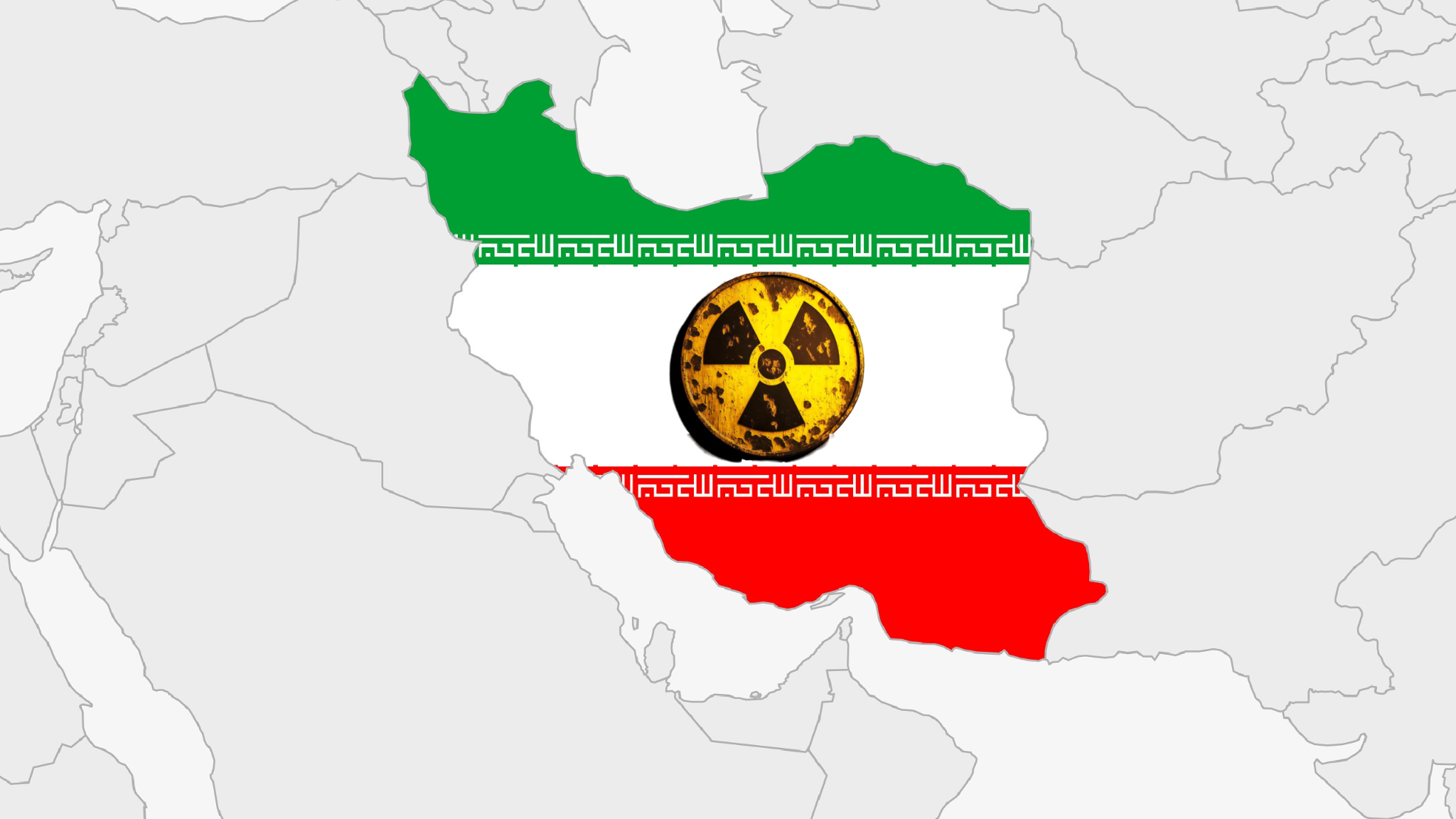
For the business mind readers, the immediate takeaway is not the technicalities that were mentioned, but rather how this creates an increased level of risk for diplomacy, markets and regional stability when a country openly discusses their intentions on weapons-grade enrichment.
What the Warning Means
Iran's senior parliamentary official claimed that 90 percent enrichment could be possible if Iran was attacked a second time, and that the parliament would evaluate the situation. 90 percent uranium enrichment is classified as weapons-grade throughout the world; therefore, this statement caused a great deal of concern outside the borders of Iran as well.
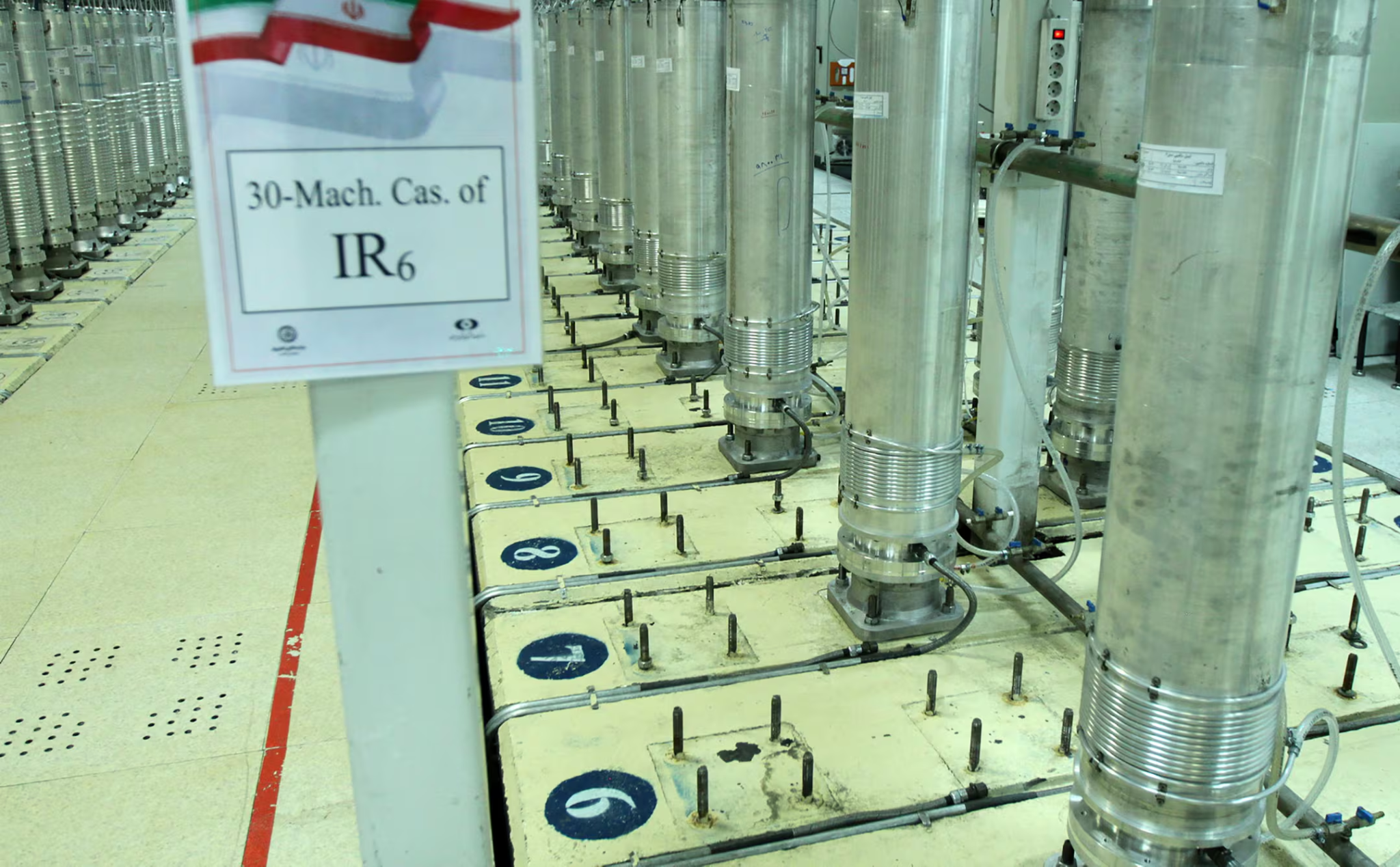
This is important because Iran has already enriched uranium to 60 percent, which is very close to weapons-grade on a technical scale (though it is not legally permitted by the 2015 Nuclear Deal). Once a nation meets that threshold, the gaps separating 90 percent and 60 percent are much smaller in technical terms than they are in political terms.
Why It Matters Beyond Nuclear Policy
This is an example how a geopolitical moment could impact a digital-first business with an immediate ripple effect through the supply chain around the world, through energy costs, through defence spending and through volatility/risk sentiment. Any indication that the Middle East will ultimately have more instability increases volatility in oil markets, increases the demand for safe haven assets and causes multinational companies to re-evaluate their contingency plans.
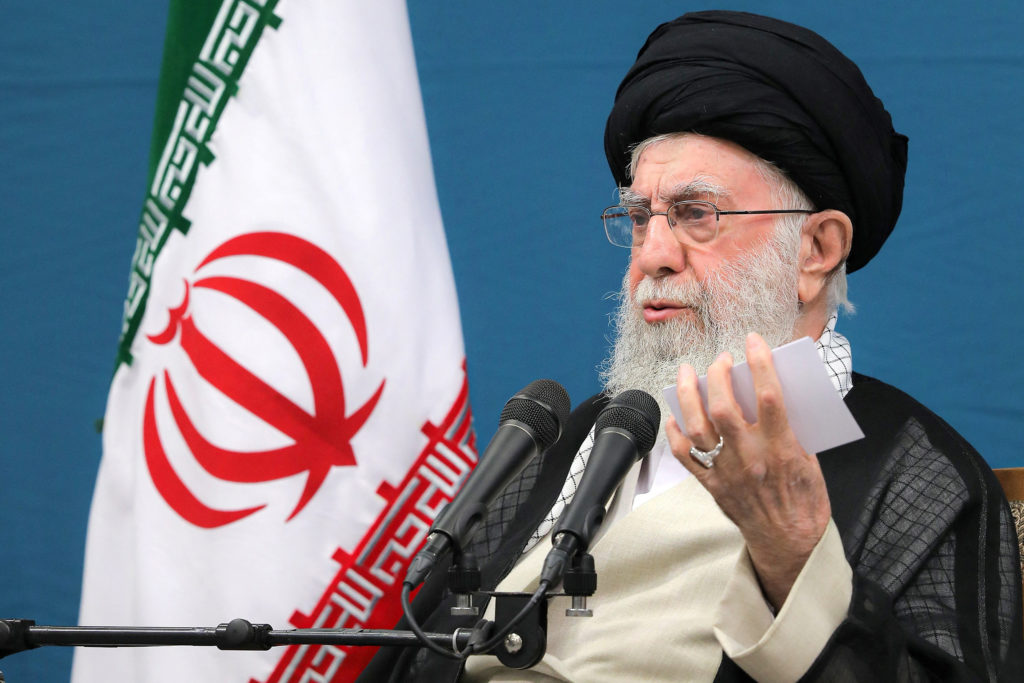
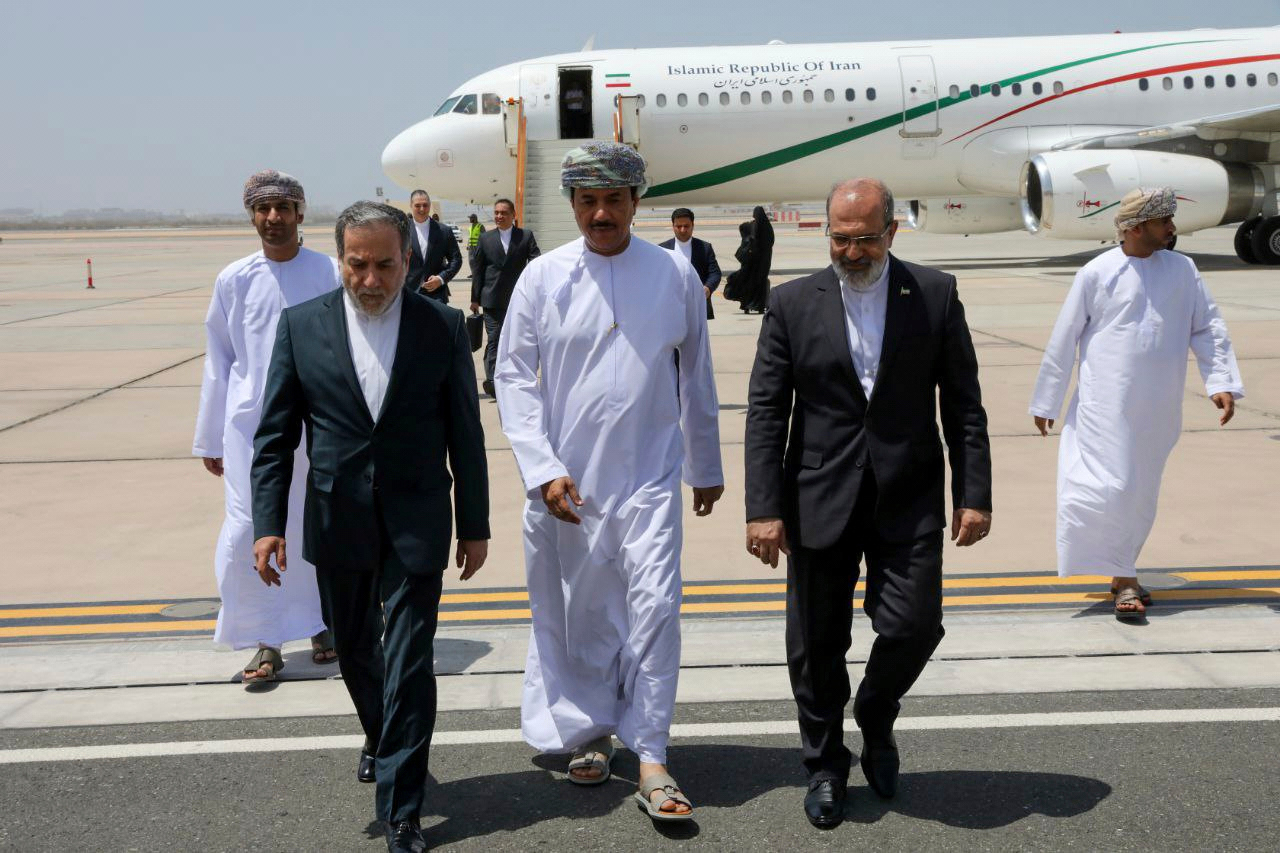
Increasing pressure to diplomatically resolve the issue between Iran, the United States, Israel and European governments, all of whom are currently trying to keep a tenuous balance in the region. Currently Iranian officials are making statements that there is a link between Iran's nuclear escalation and an outside attack, which raises the levels of stakes for the US, Israel and European governments. These types of open statements will make it more difficult to reach a negotiated settlement than if they were quiet.
The Technical and Political Line
From a technical standpoint, nuclear weapons have an enrichment level of at least 90%. Iran continues to insist that its nuclear program is peaceful, but at the same time, statements like these show a twofold aspect; they provide deterrent value to Iran, and allow Tehran to signal a need for leverage in any future bargaining process.
The reason this idea strikes fear in people is that there is a difference between capability and intent. The International Atomic Energy Agency (IAEA) has repeatedly expressed concerns about Iran's uranium stockpile that is enriched to near-weapons grade strength and as such, is capable of being used as a weapon should the decision to produce one be made.
Why Businesses Should Pay Attention
Even if a corporation has no direct involvement with nuclear policy, it can still be indirectly impacted by the events surrounding nuclear arms control or the development of new weapons and delivery systems. For example, costs associated with shipping, insurance rates, energy agreements, investor attitudes, and demand for goods produced in certain regions may fluctuate due to news stories about nuclear developments. This is particularly true for firms operating in Europe, the Gulf states, and South Asia. In these areas, changes in pricing and planning will probably be most pronounced, considering these markets are likely to experience "spillover" from geopolitical developments faster than other regions will.
For energy-intensive industries, talk of geopolitics isn't just noise; it's a form of rhetoric. The refineries, firms who transport, airline companies, insurance carriers, and the manufacturers with connections and exposure to the Gulf, will all begin to model a much broader range of scenarios at the time that nuclear escalation enters into the discussions.
A single reference to the prospect of higher enrichment could increase risk premiums, elevate freight and insurance costs and prompt procurement teams to become more conservative in inventory procurement timing. That is why the statements regarding a 90% purity level are so crucial; they are not just ringing alarm bells in foreign ministries, but they are also surreptitiously changing the cost of doing business among already price-sensitive markets.
In addition to being impacted by direct economic impacts of geopolitical risk, to the extent that firms are reliant upon the consistent movement of products across international borders, they have found that, over the last few years, the potential for geopolitical risk is no longer just a distant, "political" issue. Geopolitical risk has become a top-level issue that can impact a firm’s overall supply chain management at the procurement level, treasury level, and at the time of executive decision-making very quickly.
The Bigger Picture
This story isn’t so simple as the Iranian government made a hardline statement; rather, the “nuclear file” is extremely tied to issues of regional security, sanctions pressure, and the tenuous logic of deterrence; once a conversation about 90% enriched material — even if it is only a warning — begins, that raises the perceived conflict threshold, making de-escalation much more difficult.
For global risk watchers, this will remind us that nuclear rhetoric continues to move markets and drive strategy. As businesses have already had challenges to manage, whether due to inflation, supply shocks, or election cycles, geopolitical escalation produces additional, unresolved risk that cannot be overlooked.
From a practical viewpoint, rather than panic, a smart response is scenario planning. When public warning changes from vague threats to measurable events, such as 90% enrichment, it signals that what happens in the next few weeks will exceed what happened in the last few months.
Latest Posts